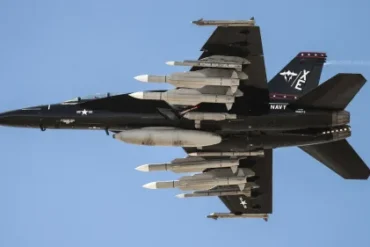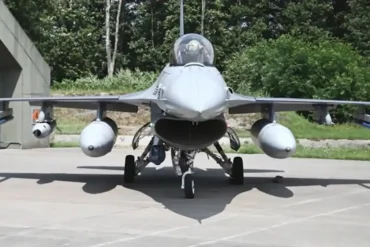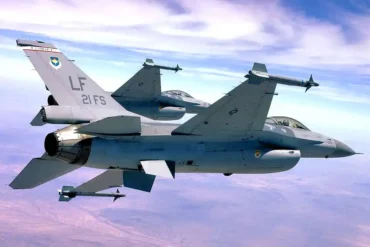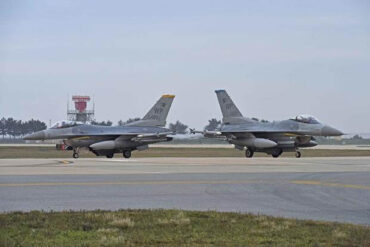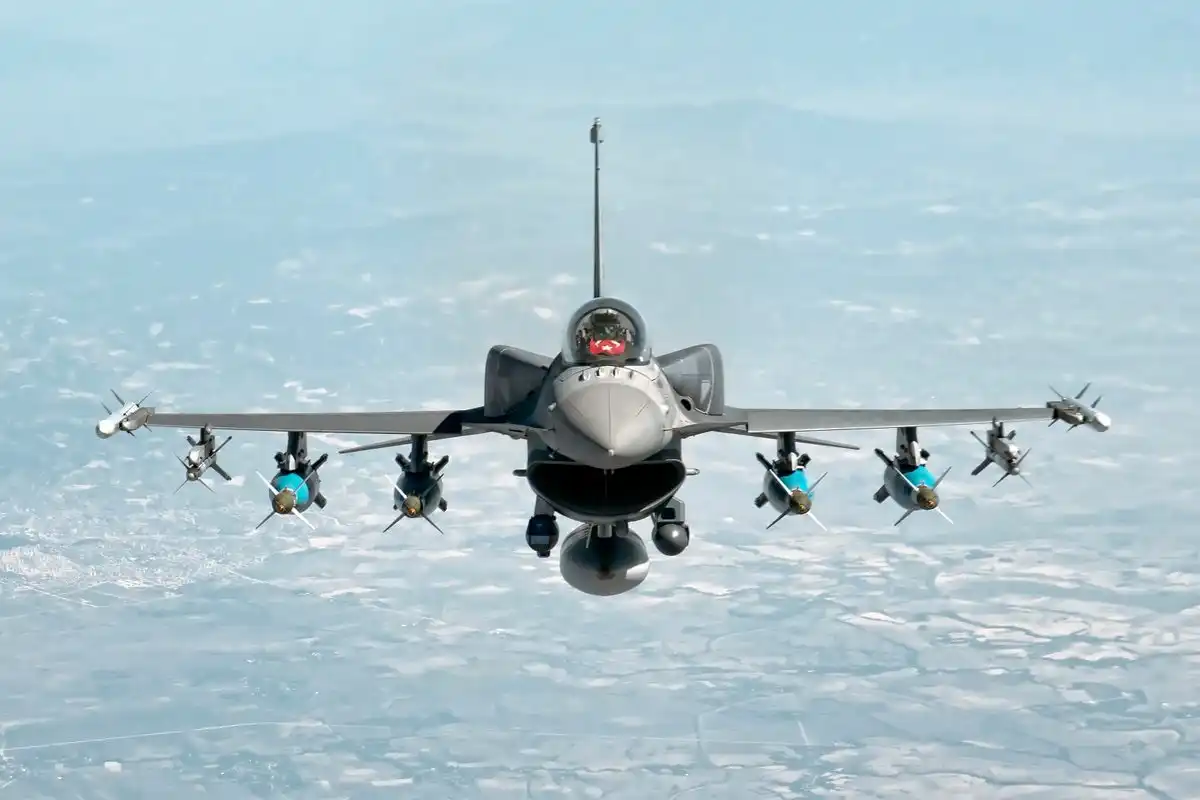
The F-16 Fighting Falcon is one of the most versatile multirole fighter aircraft in modern aviation. Designed to execute air-to-air and air-to-ground missions, it boasts an extensive array of hardpoints—dedicated stations for mounting weapons, sensors, fuel tanks, and electronic warfare pods. Understanding the placement, functionality, and loadout configurations of these hardpoints is essential for comprehending the combat capabilities of the F-16C Block 50/52 and later variants.
Overview of F-16 Hardpoints
The F-16C Block 50/52 features nine external hardpoints, allowing it to carry a diverse payload suited for different combat roles. These stations accommodate a maximum external load of approximately 17,000 lbs (7,700 kg), enhancing mission flexibility.
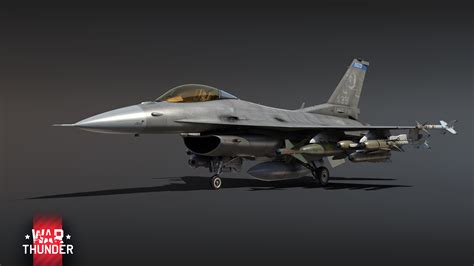
Key Features of F-16 Hardpoints
- Wingtip rails for air-to-air missiles, ensuring superior aerial combat capabilities.
- Dedicated stations for bombs, external fuel tanks, and reconnaissance pods.
- Integration with advanced targeting pods such as the Sniper XR or Litening for precision-guided strikes.
- Electronic Warfare (EW) compatibility, including the AN/ALQ-184 jamming pod for enhanced survivability.
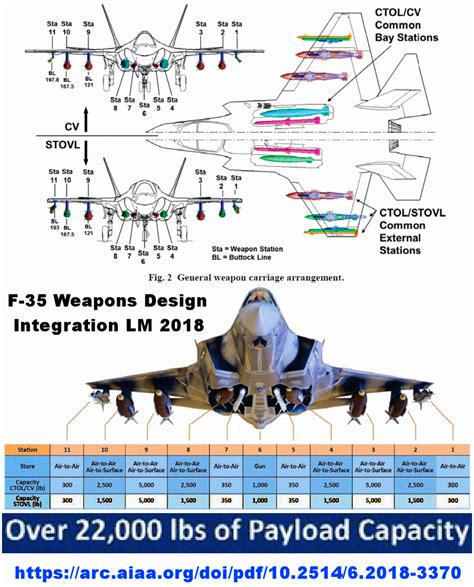
F-16 Hardpoint Locations and Numbering
Each hardpoint is assigned a numerical designation, with left-to-right numbering when viewed from above:
Wingtip Hardpoints (Stations 1 & 9)
- Typically armed with AIM-9 Sidewinder or AIM-120 AMRAAM air-to-air missiles.
- Enhance dogfighting capability and beyond-visual-range (BVR) engagements.
Outboard Wing Hardpoints (Stations 2 & 8)
- Support AGM-65 Maverick missiles or GBU-12 Paveway II laser-guided bombs.
- Weight capacity: ~1,500 lbs each.
- Suitable for precision air-to-ground attacks.
Inboard Wing Hardpoints (Stations 3 & 7)
- Typically house GBU-24/GBU-31 JDAMs or 600-gallon external fuel tanks.
- Weight capacity: ~3,500 lbs each.
- Enable extended-range missions or heavy-strike operations.
Fuselage Hardpoints (Stations 4 & 6)
- Designed for targeting pods, reconnaissance equipment, or fuel tanks.
- Commonly equipped with the Litening or Sniper XR targeting pods.
- Weight capacity: ~1,500 lbs each.
Centerline Hardpoint (Station 5)
- The most versatile and heaviest load-bearing station.
- Supports ECM pods (AN/ALQ-184), 370-gallon external fuel tanks, or heavy payloads.
- Weight capacity: ~3,500 lbs.
Hardpoint Configurations and Loadouts
The F-16’s hardpoints allow for multiple mission-specific configurations, optimizing the aircraft for air superiority, ground attack, and specialized operations.
Air-to-Air Combat Loadout
- Stations 1 & 9: AIM-120 AMRAAM for long-range aerial engagements.
- Stations 3 & 7: AIM-120 or external fuel tanks for extended patrols.
- Stations 4 & 6: 370-gallon fuel tanks to maximize endurance.
Air-to-Ground Strike Loadout
- Stations 2, 3, 7, & 8: GBU-12/GBU-38 JDAMs or CBU-87 cluster bombs.
- Station 5: Sniper XR targeting pod for precision strike capability.
- Stations 4 & 6: External fuel tanks to increase range and loiter time.
SEAD (Suppression of Enemy Air Defenses) Loadout
- Stations 3 & 7: AGM-88 HARM missiles for neutralizing enemy radar systems.
- Station 5: AN/ALQ-184 ECM pod for electronic countermeasures.
- Station 4: Targeting pod for threat detection and engagement.
Reconnaissance Loadout
- Stations 4 & 6: DB-110 reconnaissance pods for high-resolution surveillance.
- Stations 1 & 9: AIM-9X missiles for self-defense.
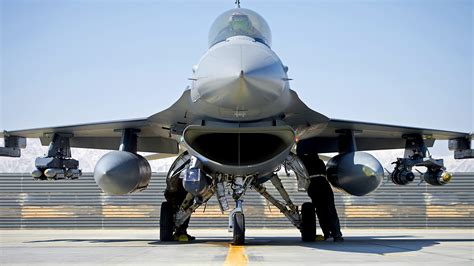
Advanced Features Enhancing Hardpoint Utility
Conformal Fuel Tanks (CFTs)
- Available on F-16E/F variants.
- Free up wing hardpoints for additional weapons.
- Reduce aerodynamic drag, improving fuel efficiency.
Multiple Ejector Racks (MERs)
- Allow a single hardpoint to carry 3–6 bombs.
- Used for GBU-39 Small Diameter Bombs (SDBs).
- Increase strike capability without adding extra hardpoints.
Targeting Pods & Electronic Warfare Systems
- Sniper XR and Litening pods enable laser-guided munitions delivery.
- AN/ALQ-184 jamming pod enhances electronic warfare survivability.
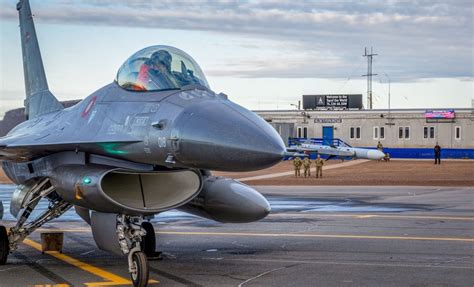
Limitations and Considerations
While the F-16’s hardpoint system is highly adaptable, certain limitations must be acknowledged:
- Weight vs. Agility: Heavier loads reduce maneuverability, affecting dogfight performance.
- Increased Drag: More external stores increase fuel consumption, requiring mid-air refueling for long-range missions.
- Compatibility Restrictions: Some weapons require specific pylons or software updates for integration.
Conclusion
The F-16 Fighting Falcon remains one of the most adaptable multirole fighters, capable of executing diverse combat missions due to its nine hardpoints. The ability to configure air-to-air, air-to-ground, SEAD, and reconnaissance loadouts ensures its operational superiority. The continued integration of advanced weapons, targeting pods, and electronic warfare systems further solidifies its relevance in modern warfare.
Frequently Asked Questions (FAQ)
1. How many hardpoints does the F-16 have?
The F-16C Block 50/52 and later variants have nine hardpoints for mounting weapons, fuel tanks, targeting pods, and electronic warfare systems.
2. What is the maximum payload capacity of the F-16?
The F-16 can carry up to ~17,000 lbs (7,700 kg) of external stores, depending on the variant and mission configuration.
3. What types of weapons can the F-16 carry?
The F-16’s hardpoints support AIM-9 Sidewinders, AIM-120 AMRAAMs, AGM-65 Mavericks, AGM-88 HARMs, JDAM bombs, cluster munitions, and Small Diameter Bombs (SDBs), among other ordnance.
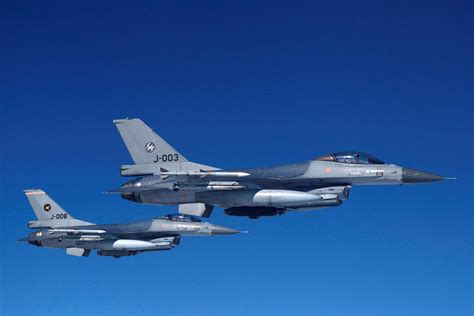
With its advanced hardpoint architecture, the F-16 Fighting Falcon remains a cornerstone of modern aerial warfare, adaptable to a wide range of combat scenarios and mission demands.