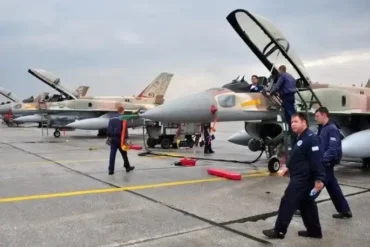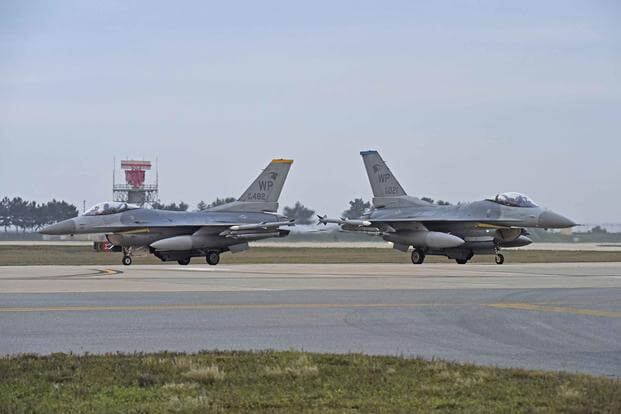
The General Dynamics F-16 Fighting Falcon remains one of the most versatile and widely used fighter jets in the world. While the aircraft has been in service for nearly five decades, it continues to play a crucial role in the United States Air Force (USAF), Air National Guard (ANG), Air Force Reserve Command (AFRC), and even the U.S. Navy. This article provides an in-depth look at the major bases in the United States where the F-16 is currently stationed, detailing their roles and significance in military operations.
Active Duty Air Force Bases Operating F-16s
Active-duty bases are the backbone of the U.S. Air Force’s combat and training missions. These bases house full-time personnel and support key operations, including combat readiness, pilot training, and testing.
Shaw Air Force Base (South Carolina)
Shaw AFB is home to the 20th Fighter Wing, which operates F-16s in combat missions and air superiority roles. The base plays a significant role in rapid deployment and maintaining readiness for worldwide operations.
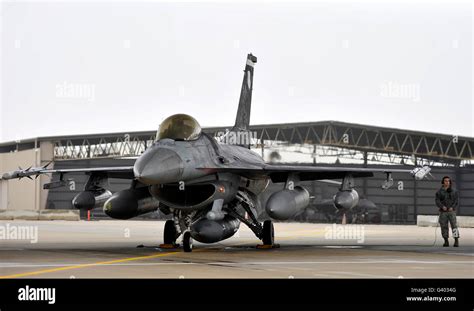
Holloman Air Force Base (New Mexico)
Holloman AFB houses the 49th Wing, focusing on F-16 pilot training. As one of the primary training facilities, it prepares new pilots for combat missions.
Eglin Air Force Base (Florida)
Eglin AFB’s 85th Test and Evaluation Squadron is responsible for testing and evaluating new F-16 technologies and tactics. This base plays a critical role in advancing F-16 capabilities.
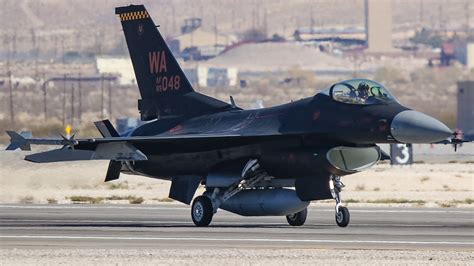
Nellis Air Force Base (Nevada)
Nellis AFB is home to the 57th Wing’s 64th and 65th Aggressor Squadrons, which use F-16s to simulate enemy aircraft in training exercises, such as Red Flag aerial combat training.
Air National Guard and Air Force Reserve F-16 Bases
Several ANG and AFRC bases operate F-16s to provide homeland defense, pilot training, and combat support. These bases serve both federal and state missions.
Joe Foss Field (South Dakota)
The 114th Fighter Wing operates from Joe Foss Field, conducting homeland defense and combat air patrol missions.
Truax Field (Wisconsin)
The 115th Fighter Wing at Truax Field currently operates F-16C fighters but is transitioning to the F-35A in the near future.
Will Rogers Air National Guard Base (Oklahoma) & Tulsa Air National Guard Base (Oklahoma)
These bases house the 125th and 138th Fighter Wings, respectively, providing essential combat air support and training for pilots.
Buckley Space Force Base (Colorado)
Buckley SFB is home to the 140th Wing, which operates F-16s primarily for air defense and overseas deployment missions.
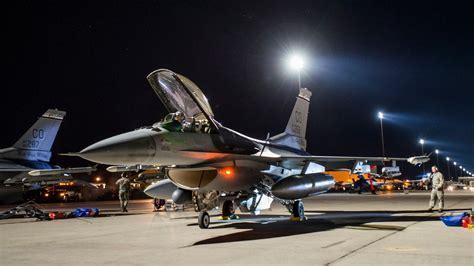
Duluth Air National Guard Base (Minnesota)
The 148th Fighter Wing at Duluth operates F-16s for air sovereignty and combat readiness.
McEntire Joint National Guard Base (South Carolina)
The 169th Fighter Wing at McEntire JNGB conducts air-to-air and air-to-ground missions, supporting national security objectives.
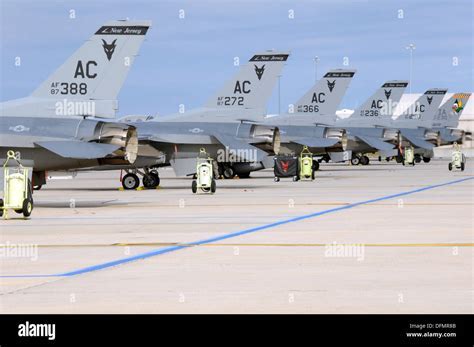
Atlantic City Air National Guard Base (New Jersey)
The 177th Fighter Wing operates F-16s in homeland defense, responding to potential threats along the East Coast.
Dannelly Field (Alabama) & Homestead Air Reserve Base (Florida)
Dannelly Field’s 187th Fighter Wing and Homestead ARB’s 482nd Fighter Wing perform combat training and operational missions, ensuring the readiness of Air Force personnel.
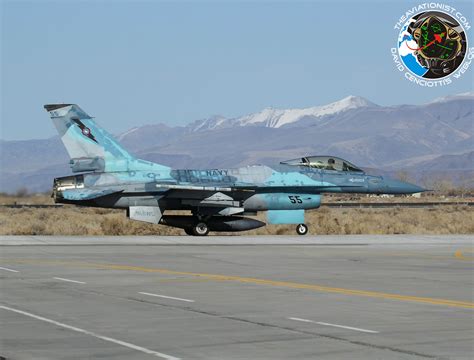
U.S. Navy’s Use of F-16s
A lesser-known fact is that the U.S. Navy also operates F-16s at Naval Air Station Fallon (Nevada). The aircraft are used primarily for aggressor training, simulating enemy aircraft to prepare Navy pilots for real-world combat scenarios.
Global Context of F-16 Operations
Beyond the U.S., F-16s are flown by over 25 nations, including Turkey, South Korea, Israel, and Greece. The aircraft’s adaptability and affordability make it a popular choice for multinational defense coalitions.
Challenges and Future of F-16 Operations
Several ANG bases, such as Truax Field and Dannelly Field, are transitioning to the F-35A, marking a shift in Air Force priorities. However, the F-16 remains operationally relevant, with ongoing upgrades to avionics, weapons systems, and radar capabilities.
Frequently Asked Questions (FAQ)
1. How many U.S. bases currently operate F-16s?
As of 2025, approximately 15 bases operate F-16s, including 4 active duty, 9 Air National Guard, and 1 Air Force Reserve base, with the U.S. Navy operating additional units for training.
2. Which U.S. base has the most F-16s?
Shaw Air Force Base in South Carolina is one of the largest F-16 bases, housing multiple squadrons under the 20th Fighter Wing.
3. Is the U.S. military replacing F-16s with newer aircraft?
Yes, many F-16 units are transitioning to the F-35A Lightning II. However, the F-16 remains in service with various upgrades to extend its operational life.
Conclusion
The F-16 Fighting Falcon continues to be a crucial asset in U.S. air defense, combat training, and global military operations. While the transition to newer platforms like the F-35 is ongoing, the F-16 remains indispensable for national security and allied partnerships worldwide.