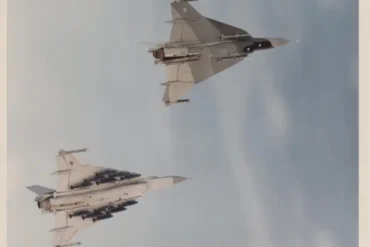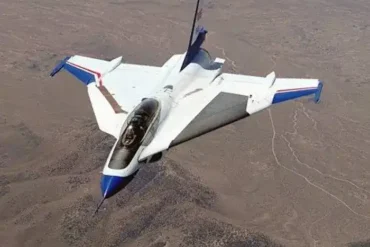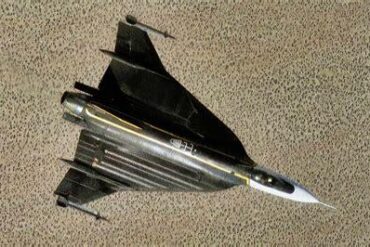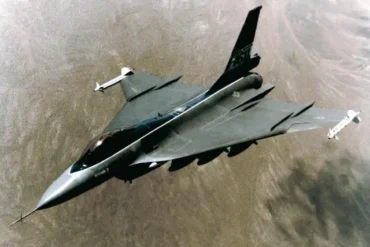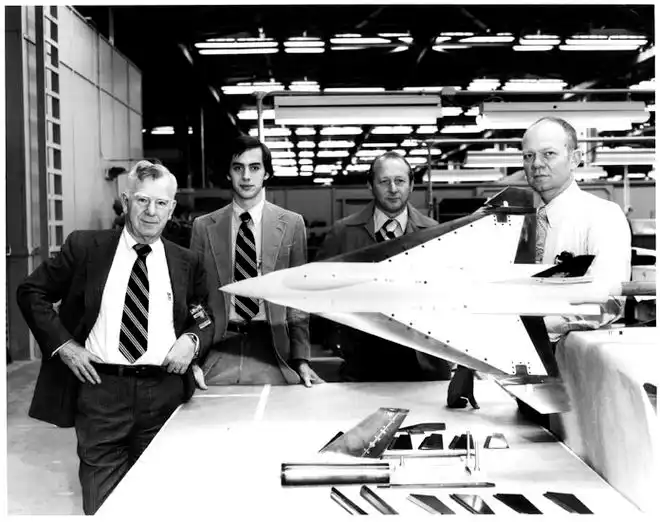
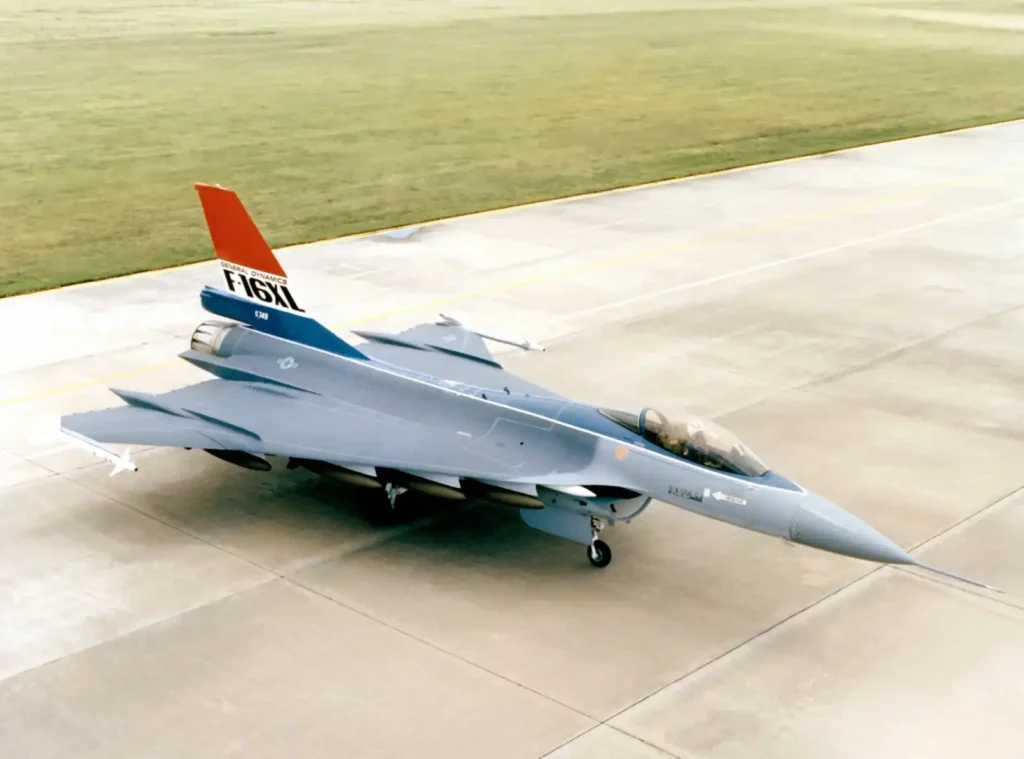
The F-16XL stands as a bold testament to innovation in modern fighter aviation. Developed as a derivative of the iconic F-16, the F-16XL pushed the boundaries of design, performance, and mission versatility. This article delves into the extensive history, groundbreaking design features, and enduring legacy of the F-16XL, offering a comprehensive exploration of its technical and strategic impact on the evolution of fighter aircraft.
A Bold Evolution: History and Background
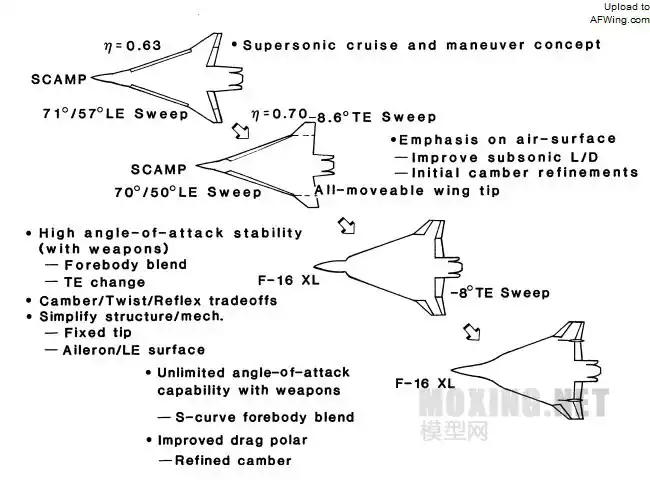
Conceived in the early 1980s by the renowned aerospace giant General Dynamics, the F-16XL emerged from the ambition to transcend the limitations of its predecessor. Building upon the F-16 fighter’s proven performance, the F-16XL was developed as a dual-seat experimental testbed under the Supersonic Cruise and Maneuver Prototype (SCAMP) program. The project saw the conversion of two existing airframes into two unique prototypes—F-16XL-1 (single-seat configuration) and F-16XL-2 (twin-seat configuration).
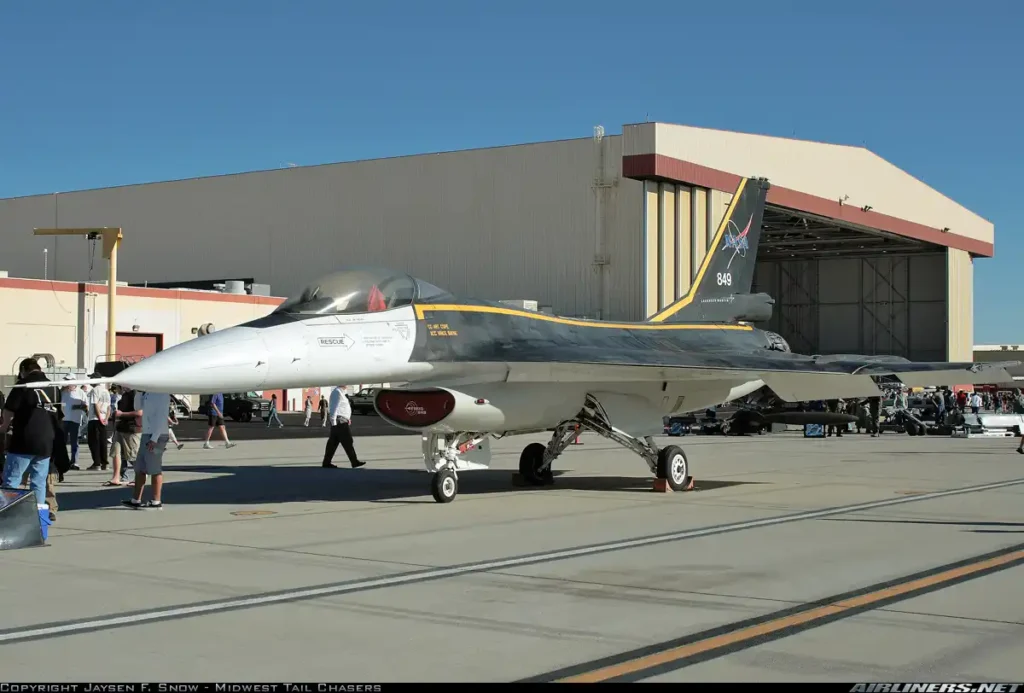
The primary aim was to explore enhancements in supersonic cruise, increased ground-attack capabilities, and superior maneuverability. These design innovations were targeted at enabling the aircraft to perform complex missions with heightened efficiency and safety. Despite its promising technical credentials, the F-16XL faced a turbulent development phase marked by intense competition and critical design challenges.
Innovative Design Features: Pioneering Aerodynamic Layout
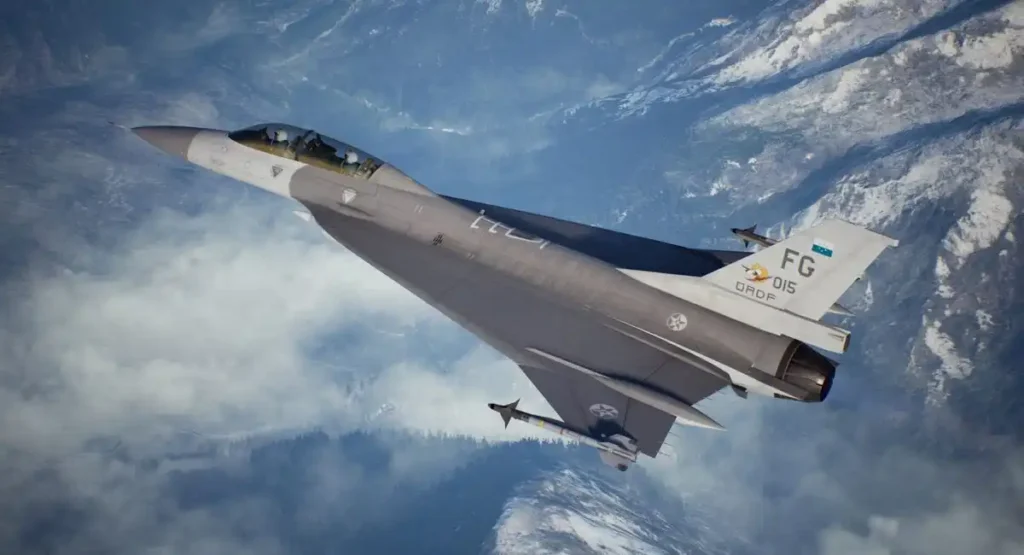
One of the most striking aspects of the F-16XL is its revolutionary aerodynamic layout. Departing from conventional fighter designs, the aircraft featured a tailless, delta arrow wing configuration—a radical departure from the standard F-16’s design. This innovative wing structure not only doubled the wing area (approximately 61 square meters) compared to the standard variant but also significantly enhanced the aircraft’s aerodynamic efficiency.
The fuselage of the F-16XL was extended by 1.42 meters, a modification that contributed to improved stability and payload capacity. In addition, the elimination of the traditional horizontal tail and ventral fins, combined with the integration of composite material skins, enabled a substantial improvement in the lift-to-drag ratio. The aircraft exhibited a 25% increase in supersonic lift-to-drag ratio and an 11% improvement under subsonic conditions, thereby setting new standards for fighter performance.
Performance Optimization: Speed, Maneuverability, and Efficiency
The F-16XL was designed to be a high-performance platform capable of excelling in both offensive and defensive roles. Key performance parameters were optimized to deliver superior results in combat scenarios. The aircraft was tested to achieve a maximum speed between 2,173 and 2,300 km/h, depending on testing conditions, while maintaining the capability for sustained supersonic cruise at Mach 1.1 with the use of the powerful F110 engine.
In terms of maneuverability, the F-16XL showcased significant enhancements:
- Instantaneous turn rate improvements of 30% for ground-based load conditions and 14% for air-to-air engagements.
- Superior roll performance, which directly translates into improved responsiveness during high-stress combat maneuvers.
These enhancements were not merely incremental but represented a substantial leap forward in the performance envelope of fighter aircraft, setting the F-16XL apart from its contemporaries.
Armament and Extended Range
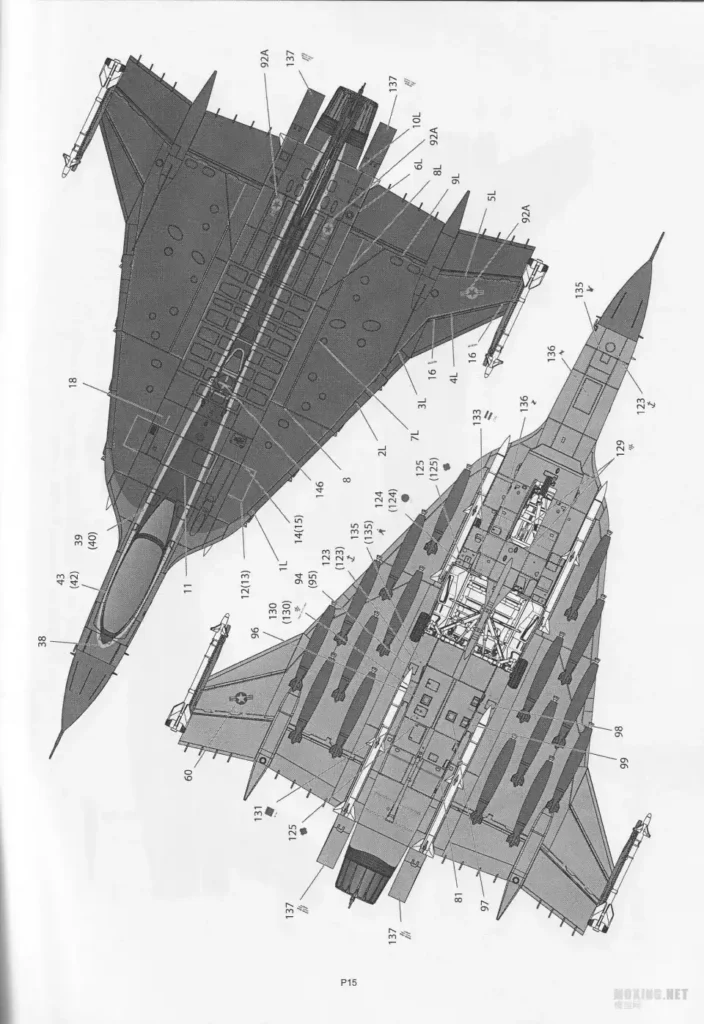
The F-16XL was engineered with a clear focus on maximizing its combat potential. Its design incorporated an impressive 27 external hardpoints, far surpassing the conventional F-16’s capability. These hardpoints allowed the aircraft to carry a diverse range of weapons, including up to 12 MK-82 bombs or 4 medium-range air-to-air missiles.
Moreover, the internal fuel capacity of the F-16XL was increased by 82%, which directly contributed to a dramatic improvement in operational range. Without the need for external fuel tanks, the aircraft achieved a range enhancement of between 40% and 53%, making it a formidable long-range platform capable of executing extended missions deep into contested airspace.
Comparative Analysis: F-16XL vs. F-16A
The transformation from the F-16A to the F-16XL is best understood through a detailed comparison of key performance parameters. The table below highlights the significant improvements introduced by the F-16XL:
| Parameter | F-16XL | F-16A |
|---|---|---|
| Overall Length | 15.02 meters | 14.52 meters |
| Wingspan | 9.45 meters | 9.45 meters |
| Maximum Takeoff Weight | 22 tonnes | 16 tonnes |
| External Hardpoints | 27 | 9 |
| Maximum Speed | 2,300 km/h | 2,100 km/h |
| Range (Without External Fuel Tanks) | 2,090 km | 1,360 km |
| Instantaneous Turn Rate Increase | 30% (ground) / 14% (air) | Baseline |
This comparative analysis illustrates how the F-16XL not only augmented the existing strengths of the F-16 platform but also redefined key operational metrics, thereby offering a significant edge in both payload capacity and flight performance.
The ETF Bidding Process and Ultimate Setback
Despite its technical prowess, the F-16XL was not destined for mass production. During the highly competitive bidding process for the Enhanced Tactical Fighter (ETF) contract, the aircraft was pitted against the F-15E Strike Eagle. While the F-16XL boasted superior payload capacity and extended range, several critical factors contributed to its ultimate failure in the competition.
Twin-Engine Reliability Versus Single-Engine Risk
The F-15E Strike Eagle was powered by a twin-engine configuration, a design that inherently offered greater reliability and improved survivability in high-risk combat scenarios. In contrast, the F-16XL’s single-engine design posed a significant risk. In the event of engine damage, the survival rate for a single-engine aircraft is considerably lower. This inherent vulnerability was a decisive factor, particularly given the strategic emphasis on deep-penetration missions where reliability is paramount.
Cost and Production Risks
Another major hurdle was the cost implication of the extensive modifications required for the F-16XL. Its design was nearly a completely new aircraft rather than a mere upgrade of an existing platform. This necessitated the rebuilding of production lines and incurred substantially higher costs compared to the F-15E, which leveraged a mature and proven platform. The increased financial risk and the technical uncertainties associated with the F-16XL ultimately undermined its commercial viability.
Misalignment with Mission Requirements
The Enhanced Tactical Fighter (ETF) program was primarily focused on achieving high-speed penetration and enhanced combat survivability. While the F-16XL offered remarkable payload and range capabilities, its design did not fully align with the specific requirements of the ETF program. The F-15E, with its comprehensive suite of performance enhancements and twin-engine redundancy, emerged as the more strategically suitable candidate. This misalignment between the F-16XL’s capabilities and the mission priorities contributed significantly to its exclusion from further production.
NASA’s Role and the Legacy of the F-16XL
Even though the F-16XL did not win the ETF contract, its technological innovations did not go to waste. In 1989, NASA began utilizing the two scrapped prototypes for advanced research purposes. These aircraft became integral to several pioneering projects, including:
- Supersonic Flow Field Analysis: The unique aerodynamic design of the F-16XL provided NASA with a valuable platform for investigating supersonic flow dynamics.
- Sonic Boom Control: Research aimed at mitigating the environmental and structural impacts of sonic booms benefited significantly from the F-16XL’s innovative design.
- Laminar Flow and Asymmetric Wing Studies: Modifications to test asymmetric wing configurations enabled researchers to explore novel aerodynamic effects that continue to influence modern aircraft design.
The data and insights gathered from these NASA projects have had a lasting impact on the development of subsequent fighter aircraft. The aerodynamic refinements and performance optimizations pioneered by the F-16XL have served as a crucial reference point for the design of advanced fighters, including the celebrated F-22 Raptor.
Technological Impact and Enduring Legacy
The legacy of the F-16XL extends far beyond its brief operational life. Its radical design philosophy has paved the way for a new generation of fighter aircraft that prioritize aerodynamic efficiency, supersonic cruise capabilities, and enhanced payload configurations. Key technological contributions include:
Advanced Aerodynamic Insights
The extensive research and testing conducted on the F-16XL provided critical insights into the performance of tailless, delta wing configurations. The dramatic improvements in lift-to-drag ratio under both supersonic and subsonic conditions have been instrumental in shaping modern fighter design. These aerodynamic advantages have been directly applied in the development of next-generation stealth and high-performance aircraft.
Conformal Weapon Mounting and Low-Drag Configurations
One of the more innovative aspects of the F-16XL was its ability to support semi-embedded conformal weapon mounts and low-drag external carriage systems. These features have not only enhanced the aircraft’s combat effectiveness by optimizing weapon integration but also set new benchmarks for reducing aerodynamic drag. Modern fighters continue to build on these innovations to achieve improved stealth and efficiency during high-speed maneuvers.
Influence on Modern Fighter Design
The performance data and design breakthroughs achieved by the F-16XL have left an indelible mark on the aerospace industry. Its contribution to the development of the F-22 Raptor—particularly in areas such as supersonic optimization and wing design—underscores the aircraft’s enduring impact. The F-16XL has become a reference model for engineers and designers, influencing critical aspects of modern fighter aircraft engineering.
Strategic Insights: Balancing Innovation with Practicality
The story of the F-16XL offers valuable strategic insights into the balance between innovation and practical application. While its radical design pushed the envelope of what was technically possible, the aircraft’s ultimate fate serves as a reminder that breakthrough technologies must align with broader operational and economic realities. The lessons learned from the F-16XL project have since informed procurement decisions and research priorities within the aerospace community, reinforcing the importance of aligning technical innovation with mission-critical requirements.
A Catalyst for Future Developments
The developmental challenges and subsequent research applications of the F-16XL have positioned it as a catalyst for future advancements in fighter aircraft design. Key areas where the F-16XL has influenced subsequent technologies include:
- Supersonic Cruise Efficiency: The ability to sustain supersonic speeds without relying heavily on afterburners has become a critical design goal for modern fighters. The F-16XL’s performance in this area continues to guide research into more efficient propulsion and aerodynamic systems.
- Enhanced Combat Survivability: By highlighting the risks associated with single-engine configurations, the F-16XL indirectly spurred advancements in twin-engine designs. These developments have translated into more robust and survivable platforms capable of operating in high-threat environments.
- Cost-Effective Innovations: Although the extensive modifications required for the F-16XL proved costly, the project nonetheless provided a wealth of data on how to integrate cutting-edge technologies into existing frameworks. This balance between innovation and cost remains a central theme in contemporary fighter development strategies.
Economic and Operational Considerations
The case of the F-16XL is not only a study in advanced engineering but also a lesson in the economic and operational challenges of modern military procurement. The project’s ambitious design required a complete overhaul of production methodologies, a factor that significantly increased the cost of development. In contrast, the competing F-15E Strike Eagle capitalized on an already established production line, offering a lower-risk, more cost-effective alternative that ultimately resonated with military planners.
The high costs and technical risks associated with the F-16XL serve as a cautionary tale, emphasizing that groundbreaking technology must be balanced with feasible production and operational strategies. These lessons have resonated across the defense industry, influencing how future projects are evaluated in terms of risk, cost, and long-term strategic value.
Legacy in Modern Aerospace Engineering
Even though the F-16XL was not adopted for mass production, its contributions to aerospace engineering continue to be celebrated. The aircraft’s advanced aerodynamic data and performance characteristics have become integral components of modern fighter design philosophies. Research stemming from the F-16XL project has led to numerous breakthroughs in areas such as:
- Stealth Technology: The integration of composite materials and the optimization of wing design have contributed to improved stealth characteristics in later aircraft.
- Flight Dynamics: Enhanced understanding of high-speed maneuverability and control surfaces has informed the development of advanced flight control systems that are now standard in high-performance fighters.
- Material Science: The successful application of composite materials in the F-16XL paved the way for their widespread adoption in aerospace structures, contributing to lighter, stronger, and more durable airframes.
These technological legacies underscore the F-16XL’s enduring influence on modern aerospace engineering, with many of its innovations becoming standard practice in today’s fighter aircraft design.
Conclusion: The Enduring Impact of the F-16XL
The F-16XL remains a landmark in the evolution of fighter aircraft—a bold experiment that dared to challenge conventional design wisdom. Its revolutionary aerodynamic layout, impressive performance enhancements, and ambitious technological integrations set new standards that have echoed through decades of aerospace innovation. While the aircraft did not secure a place in operational fleets due to cost, production risks, and strategic misalignments, its technological contributions have left an indelible mark on the field.
Today, the insights gleaned from the F-16XL continue to inspire and inform the design of modern fighter jets. The aircraft’s influence can be seen in the advanced features of next-generation platforms, where the balance between speed, agility, payload capacity, and survivability is more critical than ever. As aerospace engineers push the envelope further, the pioneering work of the F-16XL serves as a powerful reminder that bold ideas, even when not immediately successful, can forge pathways to future technological triumphs.
The F-16XL is not just a relic of a bygone era; it is a beacon of innovation that encapsulates the relentless pursuit of excellence in military aviation. Its legacy endures in the continued evolution of fighter aircraft technology, inspiring new generations to reimagine what is possible in the skies. The profound impact of the F-16XL on aerodynamic research, propulsion efficiency, and combat survivability underscores its lasting importance as one of the most significant experimental platforms in aviation history.
In summary, the F-16XL represents a transformative milestone in fighter design—a synthesis of advanced engineering, strategic foresight, and relentless innovation. Its bold approach to solving complex aerodynamic and operational challenges has provided a treasure trove of data that continues to influence and inspire modern aerospace design. The journey of the F-16XL from an experimental prototype to a foundational pillar of future fighter development is a testament to the enduring power of innovation in the ever-evolving world of military aviation.
The story of the F-16XL is a celebration of ingenuity, a chronicle of technological daring, and a reminder that even projects that do not reach full operational status can change the course of history. Its contributions to research and development have enriched the field of aerospace engineering and will undoubtedly continue to shape the future of fighter aircraft design for decades to come.
By bridging the gap between radical innovation and practical application, the F-16XL has carved out a unique niche in aviation history. Its advanced design elements, groundbreaking performance metrics, and influential legacy serve as a cornerstone for modern aerospace engineering. The F-16XL may have been a short-lived project in terms of active service, but its impact resonates profoundly across every facet of modern fighter design.
As the aerospace community continues to push the boundaries of what is possible, the legacy of the F-16XL endures—a vivid reminder that sometimes, the boldest innovations are the ones that inspire the future.