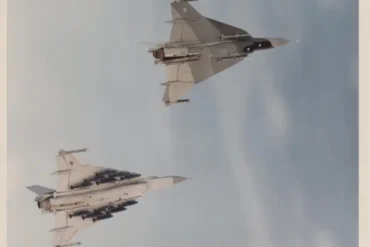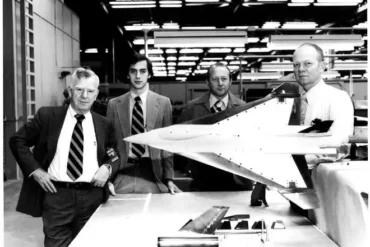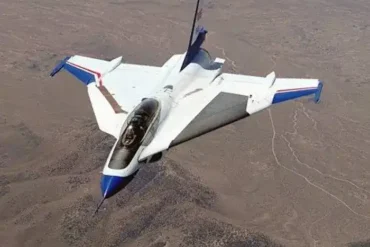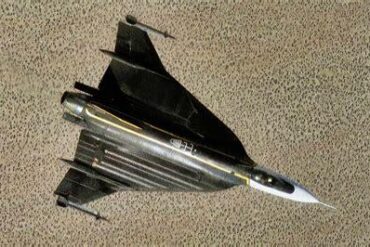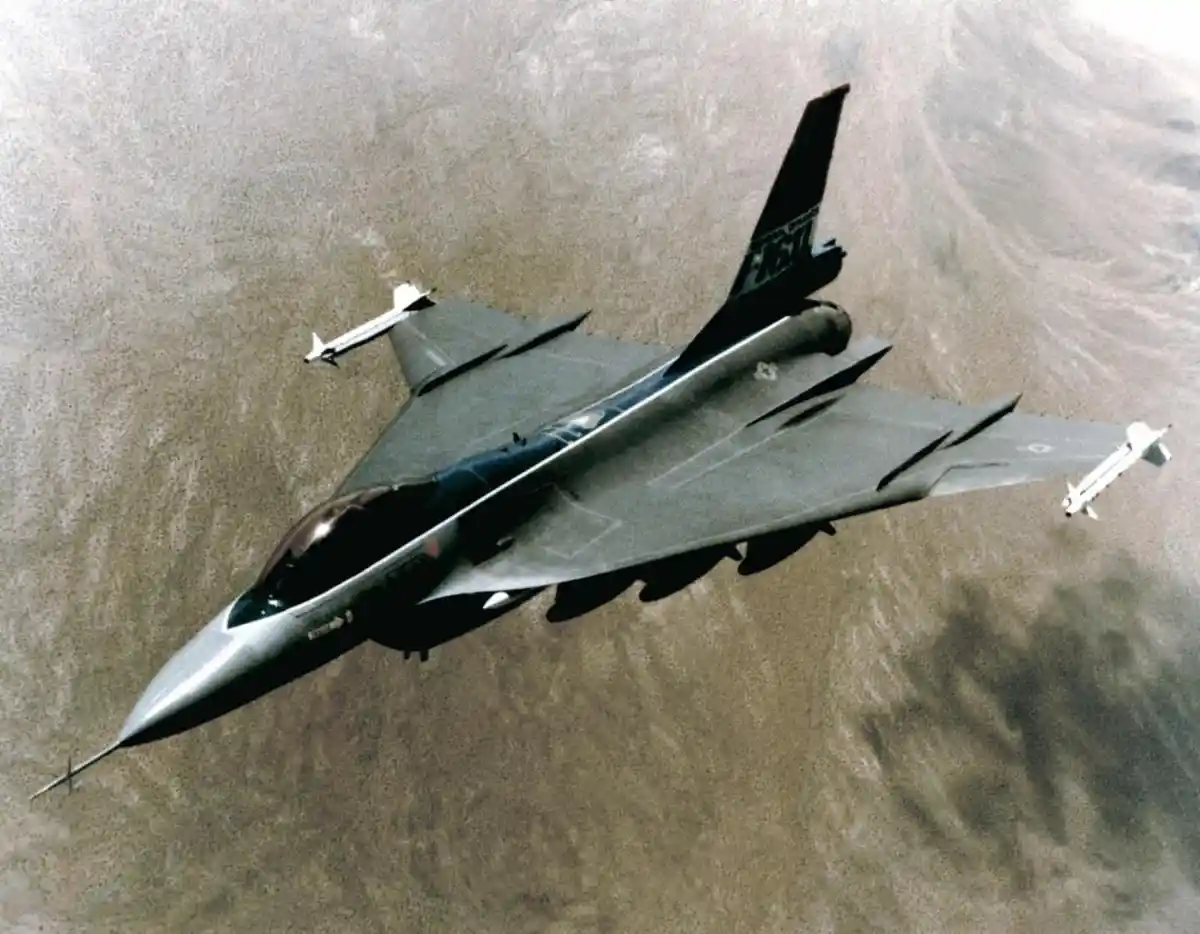
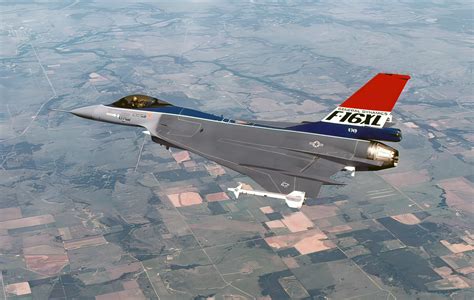
The F-16XL project was envisioned as a groundbreaking evolution of the iconic F-16 Fighting Falcon. It aimed to push the boundaries of fighter aircraft design with an innovative double delta wing configuration, designed to enhance both supersonic cruise capabilities and payload capacity. The project, however, was ultimately canceled—a decision rooted in a confluence of cost, strategic, technical, and political factors.
The concept of the F-16XL represented more than just an incremental upgrade; it was an ambitious attempt to reimagine fighter design. It sought to address the evolving tactical requirements of the United States Air Force (USAF) by merging high-speed performance with enhanced maneuverability. Despite its promise, the project was beset by multiple challenges that ultimately led to its discontinuation.
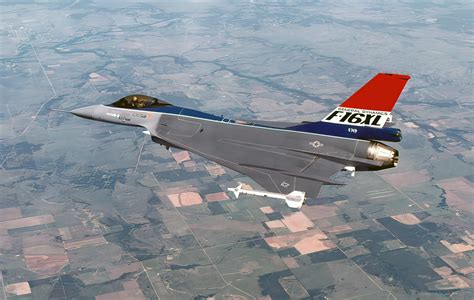
Background and Innovative Design
At the heart of the F-16XL project was an audacious attempt to blend innovation with performance. The aircraft featured a dual delta wing layout—a design choice that not only aimed to improve supersonic cruise performance but also provided a significant increase in aerodynamic efficiency. This configuration allowed for a larger internal volume, thereby increasing fuel capacity and payload potential compared to its predecessors.
In its developmental phase, the F-16XL showcased excellent agility and a low radar cross-section, attributes that were highly prized in modern combat scenarios. The experimental design sought to minimize the need for extensive aerodynamic modifications by employing a complete reconfiguration of the fuselage and wings. This reimagining of the F-16 platform was intended to create an aircraft that could excel in both air superiority and ground attack missions.
The enhanced design was not without its challenges. Integrating a radically new wing configuration required overcoming numerous engineering hurdles, ranging from structural integrity to maintenance complexity. The intricate redesign meant that the F-16XL was not simply an upgrade but a substantial departure from conventional fighter designs. This ambitious overhaul promised significant improvements, yet it also set the stage for many of the project’s subsequent issues.
Cost and Market Competition
One of the most compelling factors behind the cancellation of the F-16XL was the issue of cost. The aircraft’s advanced design, while innovative, demanded a substantial increase in research and development expenditures. The complete overhaul of the fuselage and wings translated into significantly higher production costs compared to alternative proposals.
At the time, the USAF was evaluating options under its DRF program—a competitive framework designed to replace aging multi-role fighters. In this context, the F-16XL was pitted against other contenders such as the McDonnell Douglas F-15E Strike Eagle. The F-15E, based on the existing F-15 platform, offered a more cost-effective solution with lower development risks. Its twin-engine configuration not only provided redundancy but also aligned well with the evolving tactical doctrines that favored deep strike capabilities.
The economic pressures of the era meant that the USAF had to weigh the benefits of innovative designs against the realities of budget constraints. While the F-16XL promised enhanced performance, the F-15E emerged as a more viable option due to its controlled development costs and proven reliability. In essence, the market dynamics and the imperative to maintain a balanced and sustainable defense budget played a crucial role in sidelining the F-16XL project.
Strategic Requirements and Shifting Priorities
The cancellation of the F-16XL was also heavily influenced by shifting strategic requirements within the USAF. Initially conceived to serve as a replacement for the F-111 and F-4E, the F-16XL was designed to meet the demands of a rapidly evolving combat environment. However, the strategic landscape soon underwent significant changes.
By the time the F-16XL project was under serious consideration, the USAF had begun to favor twin-engine heavy fighters over single-engine designs. The rationale was rooted in the need for enhanced reliability, redundancy, and overall mission versatility. The F-16XL, with its single-engine configuration, was perceived as less capable of handling the extended range and heavy payload requirements necessary for deep strike missions.
In contrast, the F-15E Strike Eagle—a twin-engine fighter—was better suited to the USAF’s evolving tactical doctrine. Its design allowed for superior performance in multi-role operations, covering both air-to-air combat and precision ground strikes. The strategic pivot towards a more versatile and robust aircraft ultimately rendered the F-16XL less attractive to decision-makers who were looking for immediate and proven solutions to replace older models.
The shift in priorities also reflected broader changes in military doctrine during the period. The emphasis on joint operations and the increasing complexity of modern warfare necessitated platforms that could perform reliably in a variety of challenging scenarios. The F-16XL simply could not match the multi-dimensional operational capabilities offered by its competitors, making it a less favorable candidate in a time when adaptability was paramount.
Technical Validation and Operational Limitations
Despite its promising design and impressive test results, the F-16XL faced several technical hurdles that ultimately undermined its viability. During the testing phase, the aircraft exhibited superior maneuverability and reduced radar signature, factors that were critical in modern aerial combat. However, its design also introduced several operational limitations that could not be overlooked.
One of the key technical issues was related to the cancellation of the horizontal tail. This design decision, while contributing to the sleek aerodynamic profile of the F-16XL, resulted in a significant decline in low-speed handling. The aircraft’s landing performance was compromised—landing distances extended beyond acceptable limits, which raised concerns about the safety and practicality of operations, especially in environments where runway length was at a premium.
Additionally, the F-16XL struggled under high-temperature conditions. In environments where thermal stress is a critical factor, the aircraft’s performance was found to be subpar when compared to the original F-16. These technical shortcomings not only affected the aircraft’s overall reliability but also posed potential risks during complex and demanding combat missions.
The limitations in operational performance were a decisive factor in the USAF’s evaluation process. Even though the F-16XL demonstrated innovative design elements and offered several performance benefits, its inability to consistently meet the rigorous standards required for contemporary combat scenarios led to a reassessment of its practicality. This technical validation phase was crucial in highlighting the gap between theoretical innovation and real-world applicability—a gap that the F-16XL was ultimately unable to bridge.
Political and Industrial Considerations
Beyond the technical and financial aspects, the cancellation of the F-16XL was influenced by significant political and industrial factors. During the evaluation period, the dynamics within the American aerospace industry were marked by fierce competition and political maneuvering. McDonnell Douglas, the developer of the F-15E Strike Eagle, wielded considerable political influence, which played a substantial role in swaying the USAF’s decision-making process.
The intricate balance between different defense contractors was a critical element in maintaining the overall health of the U.S. aerospace industry. The USAF had to consider not only the technical merits of a project but also the broader implications for the industrial ecosystem. In this context, choosing a platform like the F-15E, which was already established and backed by a powerful industrial player, appeared to be a safer bet.
General Dynamics, the company behind the F-16XL, found itself at a disadvantage when competing against the formidable political and industrial clout of McDonnell Douglas. This imbalance significantly influenced procurement decisions, leading to a preference for systems that promised immediate operational benefits with less financial and political risk. The decision to cancel the F-16XL was, therefore, not just about technical feasibility or cost-effectiveness—it was also a reflection of the complex interplay of industry politics and strategic alliances within the defense sector.
The ramifications of these political and industrial decisions were far-reaching, affecting future procurement strategies and shaping the trajectory of U.S. military aviation development. The emphasis on sustaining a balanced industrial base often meant that innovative projects like the F-16XL were sidelined in favor of platforms that ensured continuity and stability in the defense supply chain.
Legacy and Technological Influence
Although the F-16XL project was ultimately canceled, its impact on aviation technology continues to be felt. Several of the advanced concepts developed for the F-16XL found new life in subsequent aircraft designs. The double delta wing configuration, for example, served as a reference for later experimental models and prototypes, influencing the aerodynamic design of future fighters.
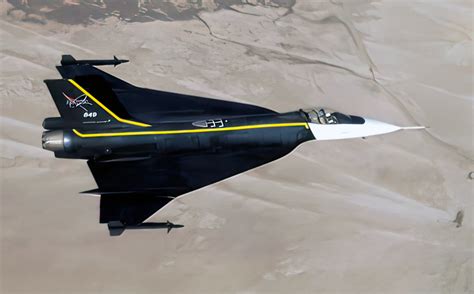
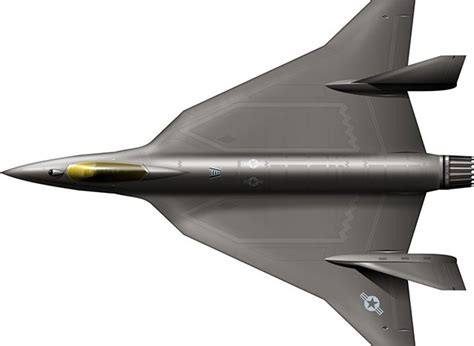
One notable attempt to repurpose the F-16XL technology was the proposed conversion into the F-36 “King Snake” fighter prototype. While this plan never materialized due to budget constraints and challenges with technological integration, it underscored the potential of the F-16XL design philosophy. The innovative ideas behind the F-16XL have since permeated discussions about next-generation fighter designs, where the balance between agility, payload capacity, and operational flexibility remains a critical consideration.
The legacy of the F-16XL extends beyond its cancellation; it serves as a case study in the complexities of military procurement and technological innovation. The project exemplifies how even the most groundbreaking concepts must contend with practical limitations—be they cost, technical performance, or political realities. For aviation enthusiasts and defense analysts alike, the story of the F-16XL remains a compelling example of how advanced technology can challenge established paradigms, even if it ultimately falls short of operational implementation.
The Broader Implications for Military Aviation
The cancellation of the F-16XL project had broader implications that went far beyond a single aircraft. It highlighted the inherent tension between innovation and practicality in military procurement. While cutting-edge designs can promise unparalleled performance on paper, they must be reconciled with the demands of operational reliability and fiscal responsibility.
In the competitive landscape of military aviation, projects are continuously evaluated against a myriad of factors. The F-16XL case is a vivid illustration of how innovative engineering can sometimes be overshadowed by the pressing needs of cost control, technological maturity, and strategic alignment. This dynamic is not unique to the F-16XL but is reflective of a broader trend within the defense sector, where the interplay of technological ambition and real-world constraints often dictates the fate of even the most promising programs.
Moreover, the cancellation underscored the importance of risk management in military acquisitions. The decision-makers within the USAF had to balance the allure of advanced design with the potential risks associated with unproven technologies. In choosing platforms that offered a higher degree of certainty—like the F-15E Strike Eagle—the USAF demonstrated a clear preference for reliability over speculative innovation. This strategic decision-making process continues to shape the development of future aircraft, ensuring that technological advancements are pursued in a manner that aligns with both tactical needs and budgetary constraints.
Conclusion
The story behind the cancellation of the F-16XL is one of innovation, ambition, and the harsh realities of defense procurement. While its double delta wing design and enhanced performance characteristics promised a new era in fighter aircraft capabilities, the convergence of cost overruns, shifting strategic priorities, technical limitations, and political dynamics ultimately sealed its fate. The decision to favor alternatives like the F-15E Strike Eagle was not merely a rejection of a promising design but a calculated move to balance risk, cost, and operational effectiveness.
The legacy of the F-16XL endures in the lessons it imparts on military innovation. It remains a testament to the challenges of pushing technological boundaries within a complex and ever-changing strategic environment. For modern aviation experts, defense policymakers, and military historians, the F-16XL cancellation offers invaluable insights into the multifaceted decision-making processes that continue to influence the evolution of military aircraft design.
FAQ
What were the primary reasons behind the F-16XL cancellation?
The F-16XL was canceled due to a combination of high development costs, shifting strategic priorities favoring twin-engine fighters, significant technical limitations in low-speed and high-temperature performance, and strong political influences favoring competitors like the F-15E Strike Eagle.
How did the F-16XL’s design differ from the standard F-16?
The F-16XL featured an innovative double delta wing configuration that aimed to improve supersonic cruise performance and payload capacity. This radical redesign involved a complete overhaul of the fuselage and wings, diverging significantly from the conventional F-16 Fighting Falcon design.
What is the legacy of the F-16XL in modern aviation?
Despite its cancellation, the F-16XL contributed valuable technological insights—especially in aerodynamic design. Its experimental concepts, such as the double delta wing, have influenced subsequent fighter aircraft developments and continue to inform discussions on balancing innovation with operational practicality in military aviation.