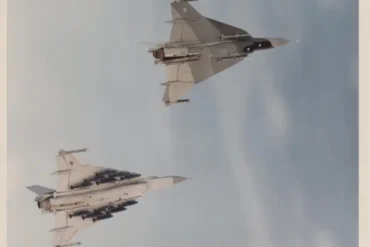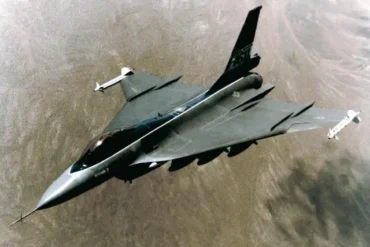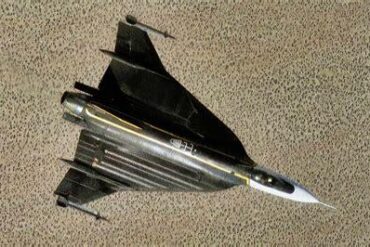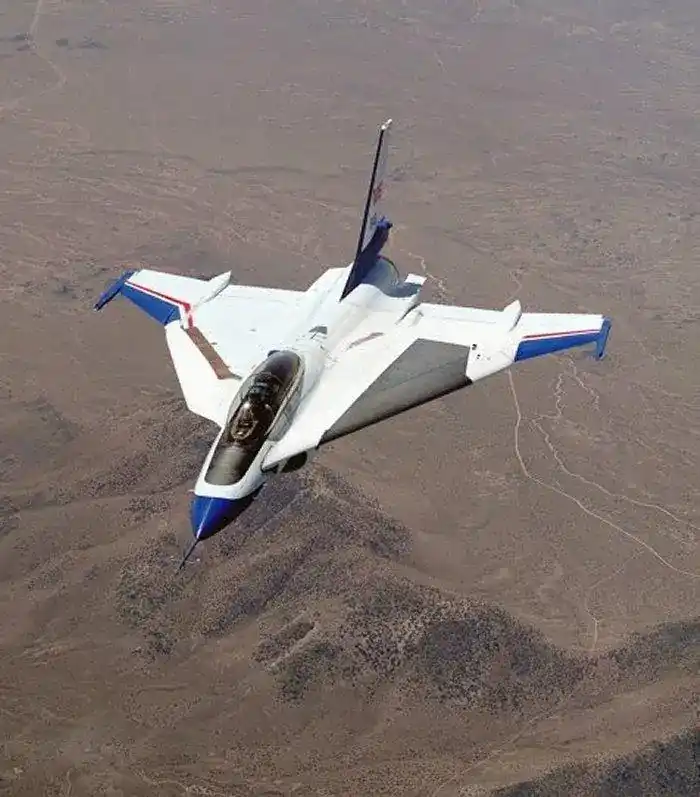
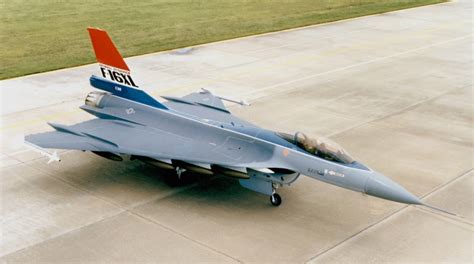
The F-16XL performance stands as a paradigm shift in fighter design, blending advanced aerodynamics with unparalleled multirole capabilities. Born as a derivative of the renowned F-16A/B, the F-16XL was engineered to push the boundaries of speed, payload, and combat versatility. This variant not only redefined flight dynamics through its innovative cranked delta wing but also laid the groundwork for future high-performance fighter designs. Its legacy is one of relentless innovation, influencing the evolution of modern combat aircraft and setting new benchmarks for what can be achieved in aerial warfare.
The design philosophy behind the F-16XL was driven by a desire to excel in both subsonic and supersonic regimes, delivering significant improvements in aerodynamic efficiency and payload capacity. Every engineering decision—from the wing configuration to the avionics suite—was made with the intent to optimize performance and operational flexibility in a wide array of mission profiles.
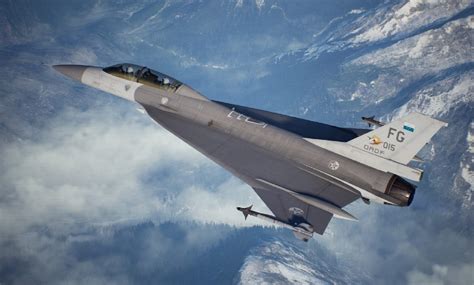
Aerodynamic Innovation and Flight Performance
Cranked Delta Wing Design
At the core of the F-16XL’s breakthrough capabilities lies its revolutionary cranked delta wing. Replacing the traditional wing design found on the F-16A/B, this innovative wing spans an impressive 61 m² and delivers a 25% increase in lift. Such an enhancement not only improves the aircraft’s overall lift characteristics but also significantly reduces drag, especially at supersonic speeds. The reduction in drag is critical for achieving higher speeds and greater fuel efficiency during extended combat operations.
The delta wing design enhances the aircraft’s lift-to-drag ratio, ensuring that even under aggressive flight conditions, the F-16XL maintains exceptional stability and responsiveness. Compared to its predecessor, the improved wing configuration provides a 25% higher supersonic lift-to-drag ratio, making it highly efficient during high-speed maneuvers and intercept missions.
Superior Maneuverability and High-Angle-of-Attack Performance
Maneuverability is a cornerstone of fighter jet performance, and the F-16XL is no exception. Engineered for exceptional high-angle-of-attack (AoA) performance, this aircraft can recover from near-stall conditions—even at 90° AoA during aggressive climbs and rolls. This remarkable capability ensures that pilots can maintain control in extreme flight regimes, giving them a decisive edge in close-quarters aerial combat.
The aircraft’s roll rate surpasses that of the F-16A, delivering faster rotational movements with minimal overshoot. Such agility is crucial when engaging in dogfights or evading enemy fire, where every fraction of a second counts. The integrated flight control system, with its analog fly-by-wire mechanism, is designed to support these rapid maneuvers by delivering precise control inputs and automatic pitch-override functions, effectively managing deep stalls.
Speed, Acceleration, and Conformal Weapon Integration
Speed is a critical factor in the F-16XL performance narrative. With its reduced drag and advanced aerodynamic configuration, the F-16XL can achieve speeds up to 120 km/h faster than the standard F-16A when carrying external stores. This improvement is largely attributed to the integration of conformal weapon mounts. These mounts not only enhance the aircraft’s speed by reducing aerodynamic drag but also allow for a greater payload without compromising performance.
The conformal weapon system provides an innovative solution to traditional pylon mounting, reducing drag by an impressive 66–70% compared to conventional designs. This means that the aircraft can carry a larger arsenal of armaments while maintaining optimal speed and fuel efficiency. Such advancements underline the F-16XL’s role as a multirole fighter, capable of executing both air-to-air and air-to-ground missions with equal proficiency.
Payload, Range, and Combat Versatility
Expanded Hardpoints and Weapon Capacity
One of the defining features of the F-16XL is its enhanced payload capability. Equipped with 27 hardpoints, the aircraft can be configured to carry a diverse mix of air-to-air missiles, bombs, and other ordnance. This is a dramatic improvement over the F-16A, effectively doubling its weapon capacity. The inclusion of semi-recessed conformal mounts further augments this capability by minimizing aerodynamic penalties, ensuring that the increased payload does not hinder performance.
Such an extensive armament capacity empowers the F-16XL to fulfill a variety of mission profiles. Whether executing precision strikes against ground targets or engaging multiple aerial threats simultaneously, the aircraft’s versatile hardpoint configuration ensures that it is always mission-ready.
Enhanced Fuel Efficiency and Extended Range
Fuel capacity is a critical parameter in combat operations, directly influencing the operational range and endurance of a fighter jet. The F-16XL addresses this challenge by increasing its internal fuel capacity by an additional 2.5 tons, thereby raising the fuel-to-weight ratio from 0.28 to 0.34. This significant enhancement translates into an extended unrefueled range, which is 53% greater when using internal fuel alone. When supplemented with an external tank, the range is further boosted by 124%, allowing the aircraft to cover greater distances without the need for refueling.
The combination of improved fuel efficiency and aerodynamic design ensures that the F-16XL can conduct prolonged missions, effectively reducing the logistical footprint required for aerial operations. This extended range is a testament to the aircraft’s advanced engineering, enabling it to perform strategic reconnaissance, deep strike missions, and rapid response operations with unmatched endurance.
Multirole Mission Flexibility
The F-16XL’s design inherently supports a broad spectrum of combat roles. Its ability to integrate a variety of weapon systems—from AIM-120 missiles to MK-82 bombs—demonstrates its adaptability in modern warfare. For example, even when configured with 12 MK-82 bombs, the aircraft’s range still exceeds that of an F-16A carrying only 6 bombs by 44%. This flexibility is crucial for combat scenarios that demand rapid reconfiguration based on the evolving threat environment.
The multirole capability of the F-16XL makes it an indispensable asset in both air superiority and ground attack missions. By seamlessly transitioning between roles, the aircraft provides unparalleled tactical versatility, ensuring that it remains a dominant force in any aerial combat scenario.
Avionics, Survivability, and Systems Integration
Advanced Avionics Suite and Flight Control
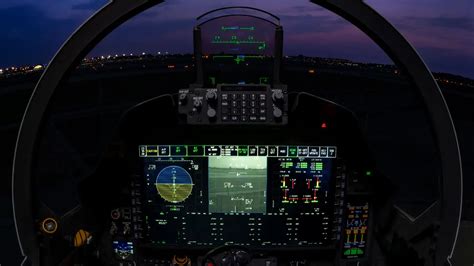
The integration of cutting-edge avionics is central to the F-16XL’s exceptional performance. Retaining the trusted analog fly-by-wire system of the F-16A, the aircraft features modified control surfaces—including flaperons and spoilers—that expand its operational envelope. The flight control system is meticulously calibrated to support extreme AoA limits, with capabilities extending up to 29° at low speeds. This level of precision ensures that pilots can confidently operate the aircraft in challenging combat environments, where rapid response and situational awareness are paramount.
The automatic pitch-override system embedded in the control suite plays a critical role in preventing deep stalls, thereby enhancing both safety and combat survivability. Such advanced features underscore the aircraft’s readiness to handle the complexities of modern aerial warfare, where every second of reaction time can mean the difference between victory and defeat.
Reduced Radar Cross-Section and Enhanced Survivability
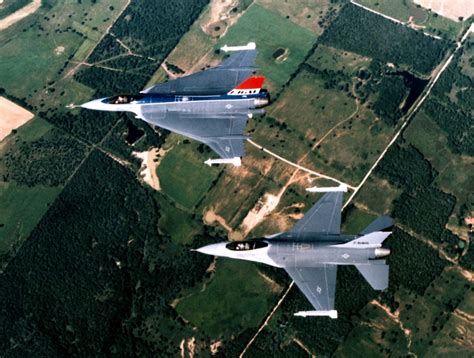
Survivability in a contested environment hinges on an aircraft’s ability to evade detection and counter enemy fire. The F-16XL excels in this regard due to its reduced radar cross-section (RCS). The combination of a delta wing configuration, composite materials, and the removal of ventral fins results in a significantly lower radar signature compared to the standard F-16. This reduction in RCS is critical for evading sophisticated enemy radar systems and ensuring the aircraft’s operational stealth during combat missions.
By minimizing its detectability, the F-16XL enhances pilot survivability and mission success, even in heavily defended airspace. This strategic advantage is further amplified by the integration of advanced electronic countermeasures and sensor systems, which collectively provide a robust defensive shield against modern threats.
Engine Options and Takeoff Performance
High-Performance Engine Configurations
The powerplant options for the F-16XL are a testament to its engineered versatility. Initially, the XL-1 variant was equipped with the F100-PW-200 engine, a reliable workhorse known for its robust performance. However, subsequent developments led to the introduction of the XL-2 variant, which upgraded to the F110-GE-100 engine. This engine not only improved the thrust-to-weight ratio but also reduced the takeoff distance, making it more adept at operating from shorter runways and in high-temperature conditions.
The F110-GE-100’s enhanced performance is critical during combat operations, where rapid acceleration and swift takeoffs are essential. With a takeoff distance reduced to 680 meters, the aircraft can achieve optimal performance even under adverse operational conditions. This improvement is particularly significant in scenarios where tactical deployments require immediate response and rapid repositioning.
Takeoff Challenges and Operational Trade-offs
Despite its advanced engineering, the F-16XL is not without its operational limitations. High-weight configurations, combined with elevated temperatures, tend to degrade takeoff performance compared to the baseline F-16A. Under such conditions, the use of afterburners becomes almost indispensable to achieve the necessary thrust for a safe and effective takeoff. This dependency on afterburners, while manageable, represents a trade-off between the enhanced payload capacity and the overall operational efficiency during critical takeoff phases.
Moreover, the lower thrust-to-weight ratio under certain configurations, particularly when the aircraft is loaded with air-to-air payloads, imposes limitations on its sustained turn performance. During a 180° turn, the aircraft can experience a speed loss of up to 330 km/h, highlighting the careful balance between advanced aerodynamics and engine performance that designers had to navigate.
Trade-Offs, Limitations, and Enduring Legacy
Balancing Instantaneous and Sustained Maneuverability
One of the primary design challenges of the F-16XL was managing the trade-offs between instantaneous maneuverability and sustained turn performance. While the aircraft boasts improved instantaneous turn rates—ranging from 14–30% faster than the F-16A—its sustained turn capability is hampered by the limitations of its thrust-to-weight ratio. This compromise is evident in scenarios where prolonged turning maneuvers lead to significant speed reductions, impacting overall energy retention in combat.
This inherent limitation underscores a broader theme in fighter design: the balance between raw performance enhancements and the operational realities of aerial combat. Despite these challenges, the F-16XL remains a benchmark for innovation, as its design principles continue to influence modern fighter developments.
Cost, Modification, and Operational Viability
Although the F-16XL delivered impressive technical capabilities, it ultimately faced challenges in terms of operational viability. The aircraft’s advanced design and performance enhancements came at a higher modification cost compared to its contemporaries. This factor played a decisive role in the Enhanced Tactical Fighter competition, where the F-16XL was pitted against the F-15E. Despite its technological edge, the F-15E’s twin-engine redundancy and cost-effectiveness secured its favor in the final decision-making process.
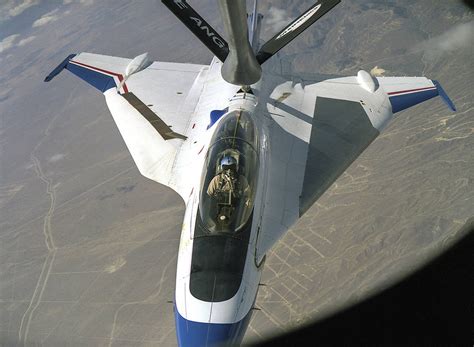
Nevertheless, the legacy of the F-16XL is undiminished. Its innovations have had a lasting impact on subsequent fighter designs, and many of its core technologies have been integrated into later variants, including the Falcon 21 and F-16U. Additionally, NASA’s repurposing of the F-16XL prototypes for supersonic laminar flow research underscores its role as a testbed for pioneering aerodynamic and performance advancements.
Impact on Future Fighter Designs
Pioneering Design Influences
The technological breakthroughs achieved with the F-16XL have paved the way for innovations that resonate across modern fighter platforms. Its pioneering cranked delta wing configuration and conformal weapon systems have become critical reference points for subsequent aircraft development programs. Designers and engineers have drawn upon the F-16XL’s aerodynamic insights to optimize wing designs, reduce radar signatures, and enhance payload integration across multiple platforms.
The influence of the F-16XL is particularly notable in the evolution of stealth aircraft design. By integrating composite materials and advanced flight control systems, its design principles have informed key aspects of reduced observability and improved survivability. This convergence of aerodynamics, avionics, and structural design continues to shape the next generation of combat aircraft, ensuring that the lessons learned from the F-16XL remain central to modern aerospace engineering.
Multifaceted Mission Capability
In modern aerial combat, the ability to perform seamlessly across a range of missions is invaluable. The F-16XL’s multirole design has become a benchmark for versatility, inspiring designs that emphasize adaptability without compromising performance. The aircraft’s success in both air-to-air and air-to-ground roles illustrates a holistic approach to combat effectiveness—one that balances agility, speed, and payload capacity.
This approach has been mirrored in the design of later F-16 variants and other multirole fighters, where the fusion of advanced aerodynamics with flexible weapon integration defines operational success. The ongoing evolution of these platforms highlights the enduring relevance of the F-16XL’s innovative engineering and strategic foresight.
Frequently Asked Questions
What makes the F-16XL’s aerodynamic design unique?
The F-16XL’s cranked delta wing design significantly enhances lift and reduces drag, especially at supersonic speeds. This innovative configuration improves the aircraft’s lift-to-drag ratio by 25% over the F-16A, offering superior performance in both subsonic and supersonic flight regimes.
How does the F-16XL manage to carry a larger payload compared to the F-16A?
Equipped with 27 hardpoints and semi-recessed conformal mounts, the F-16XL can double the weapon capacity of the F-16A. These design enhancements not only allow for more armament integration but also reduce aerodynamic drag, ensuring that increased payloads do not compromise speed or fuel efficiency.
Why was the F-16XL not selected for mass production despite its superior performance?
Despite its impressive technical capabilities and advanced performance metrics, the F-16XL faced challenges in operational viability due to higher modification costs and the limitations imposed by its single-engine configuration. The F-15E, with its twin-engine redundancy and cost-effectiveness, ultimately prevailed in the Enhanced Tactical Fighter competition.
The F-16XL performance remains a benchmark in fighter design, reflecting a blend of innovative aerodynamics, versatile mission capability, and technical excellence. Its enduring legacy is evident in the continuous evolution of modern combat aircraft, where its pioneering concepts continue to inspire groundbreaking advancements in aerospace technology.