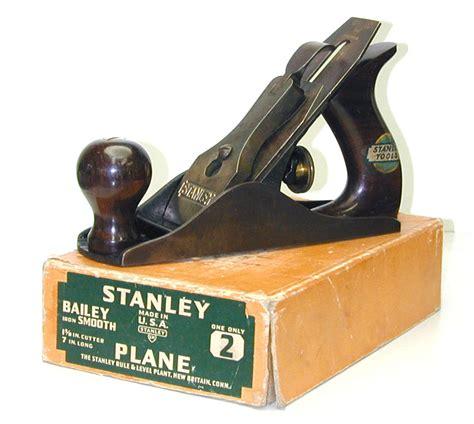
For collectors, woodworkers, and tool historians, the question of Stanley vs. Bailey is far more than semantics. It is a nuanced exploration of industrial ingenuity, legacy branding, and mechanical evolution that shaped one of the most iconic categories in woodworking hand tools: the bench plane. The confusion, however, stems from the intimate overlap between two distinct names that, over time, became nearly inseparable in the lexicon of vintage tool enthusiasts. To fully appreciate the difference—and the deeply interconnected relationship—we must delve into the intertwined histories of Stanley Rule & Level Company and Leonard Bailey, the man whose innovations defined a generation of tools.
The Rise of Stanley: From Rulers to Planes
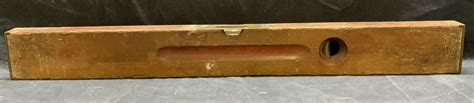
The story of Stanley begins not in a forge or workshop, but in the rule-making business of A. Stanley & Co., established by Frederick Stanley in 1843. Based in New Britain, Connecticut, this company laid the foundation for what would eventually become one of the most dominant names in American tool manufacturing. By 1857, Stanley’s cousin, Henry Stanley, had launched the Stanley Rule & Level Company, following a merger with Hall and Knapp, a firm specializing in levels and plumbs. This marked the beginning of Stanley’s transformation from a rule manufacturer to a diversified hand tool powerhouse.
By 1920, the firm was absorbed by Stanley Works, and in 1935, it was streamlined under the name Stanley Tool, a title that would resonate globally for generations. Yet despite this corporate growth and rebranding, the DNA of Stanley’s bench planes remained closely tied to another name—one they had neither invented nor initially owned: Bailey.
Leonard Bailey: The Inventive Genius Behind the Bench Plane Revolution
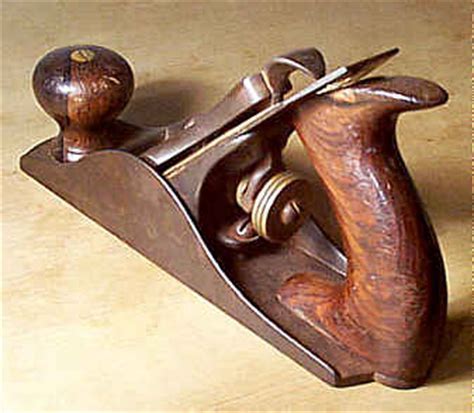
While Stanley was mastering corporate acquisitions, Leonard Bailey, a mechanical visionary from Massachusetts, was quietly revolutionizing the design of woodworking planes. During the 1860s, Bailey secured multiple patents for features that would forever change plane ergonomics, functionality, and efficiency. His innovations included the now-standard adjustable frog, lever cap, and depth adjustment knob—features still seen in modern planes today.
In 1869, Stanley Rule & Level recognized the brilliance of Bailey’s designs and purchased seven of his patents. This acquisition marked the beginning of a short-lived, though immensely productive, partnership. Stanley did not just acquire designs—they effectively acquired the blueprint for dominating the hand tool market.
Stanley + Bailey: A Synergistic, Tense Collaboration
For six years, Bailey worked with Stanley, helping to integrate his mechanisms into the firm’s burgeoning line of bench planes. These tools were widely regarded for their consistent quality, mechanical refinement, and improved user control. Yet by 1875, the professional relationship had soured. Bailey left Stanley, setting off a chain of legal disputes over patent rights and design attribution. Despite his departure, Stanley retained legal control of the Bailey patents—and began to mass-produce planes under those designs, further embedding the Bailey name into toolmaking lore.
Bailey attempted to continue innovating, joining forces with Selden Bailey (no relation) to launch the Bailey Tool Company, and later producing planes under the Victor and Defiance lines. Unfortunately, neither effort matched the success of the Stanley-Bailey era. Stanley eventually acquired these brands in 1880 and 1884, only to shutter them by 1888.
The Birth of the Stanley Bailey Plane Line
Though the collaboration with Bailey ended in 1875, Stanley continued to use his patented designs extensively. Around 1906, in what could be seen as a tribute—or a strategic branding maneuver—Stanley began casting the “Bailey” name into the beds of their plane bodies. These models were thus known as Stanley Bailey planes, a hybrid identity that fused corporate ownership with inventor legacy.
It’s crucial to understand that despite the branding, Bailey was never part of Stanley’s corporate structure. The name represented the design heritage, not a business partnership. By then, Stanley had produced millions of planes, becoming the undisputed leader in bench plane manufacturing. Whether stamped “Bailey” or not, virtually every Stanley bench or block plane produced after 1869 owes its foundation to Bailey’s patents.
Design Characteristics and Features of Stanley Bailey Planes
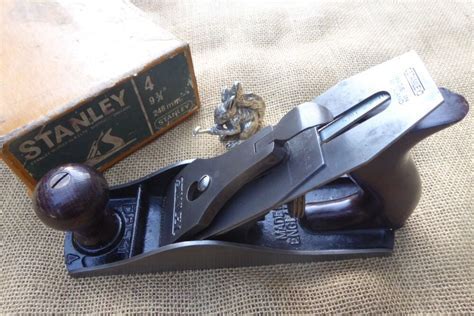
The Stanley Bailey line became the industry standard due to its ease of adjustment, robust construction, and affordability. Key features included:
- Lateral adjustment lever for fine-tuning the blade position
- Depth adjustment knob with a knurled finish
- Screw-secured frog for precise blade support
- Cast iron body for weight and stability
- Rosewood or hardwood knobs and totes, later replaced by plastic in post-war models
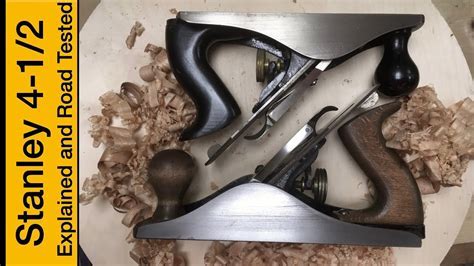
These planes were manufactured in various sizes—from small block planes to large jointers—and designated by model numbers (e.g., No. 3, No. 4, No. 5, etc.), each tailored to specific woodworking tasks.
Misconceptions and Naming Confusion
The most persistent point of confusion arises from terminology. Collectors and craftsmen often use the terms Stanley, Bailey, and Stanley Bailey interchangeably. While not always technically incorrect, this can obscure key distinctions:
- “Stanley” planes refer to tools made by the Stanley Tool company.
- “Bailey” planes could refer to those designed by Leonard Bailey, including pre-Stanley models from the Bailey Tool Co.
- “Stanley Bailey” planes explicitly refer to Stanley-manufactured planes using Bailey’s patented designs, typically bearing his name in the casting.
Not all Baileys are Stanleys, especially the rare non-Stanley Bailey planes produced during Bailey’s independent years. These early models, often labeled Victor or Defiance, are prized for their rarity and command high values in vintage tool markets.
The Decline and Endurance of the Bailey Legacy
As the 20th century progressed, machine tools and power planers replaced many hand tools in professional settings. This shift, combined with the expiration of Bailey’s patents, gradually led to the discontinuation of the Bailey name in Stanley’s marketing and castings. Despite this, the core design principles endured. Numerous modern planes, including high-end models from Lie-Nielsen, continue to base their manufacturing standards on the Bailey design blueprint.
Today, a well-maintained Stanley Bailey plane remains a favorite among woodworkers, admired for its balance, adjustability, and historical significance. The No. 4 smoothing plane, in particular, is a staple in many workshops, both vintage and contemporary.
Collector’s Note: Rarity, Value, and Restoration Considerations
Vintage Stanley Bailey planes vary widely in collector value, depending on factors like type number, condition, age, and originality of parts. Earlier models from Type 1 to Type 8 (1869–1900) are especially sought after. Restorers and collectors should note the following when evaluating a plane:
- Presence of the “Bailey” stamp in the bed
- Shape and material of knobs and totes (rosewood preferred)
- Casting details, such as patent dates on the frog or base
- Type of adjustment mechanisms and frog style
- Signs of modifications or replaced parts
Planes with original finishes and hardware fetch higher prices, particularly those from the pre-WWI era.
Conclusion: A Legacy Cast in Iron
In the debate of Stanley vs. Bailey, the answer is not one of opposition, but symbiosis. Stanley’s manufacturing might and market reach provided the vessel, while Leonard Bailey’s engineering brilliance filled it with enduring substance. Though the two names represent distinct histories, their intersection produced one of the most influential tools in woodworking history.
Understanding the nuances of their relationship not only enriches our appreciation for these tools but also underscores how innovation and branding, even amid disputes, can combine to create something timeless. Whether in the hands of a craftsman or displayed on a collector’s shelf, the Stanley Bailey plane remains a tribute to American ingenuity, one cast in iron, polished with history, and honed by legacy.