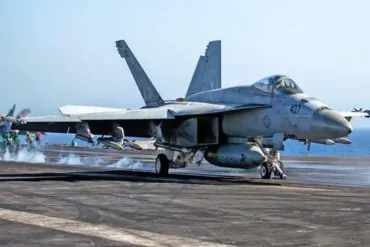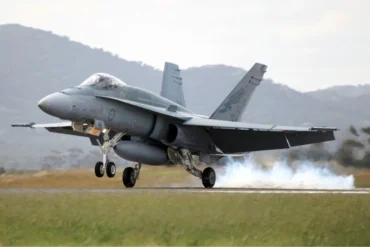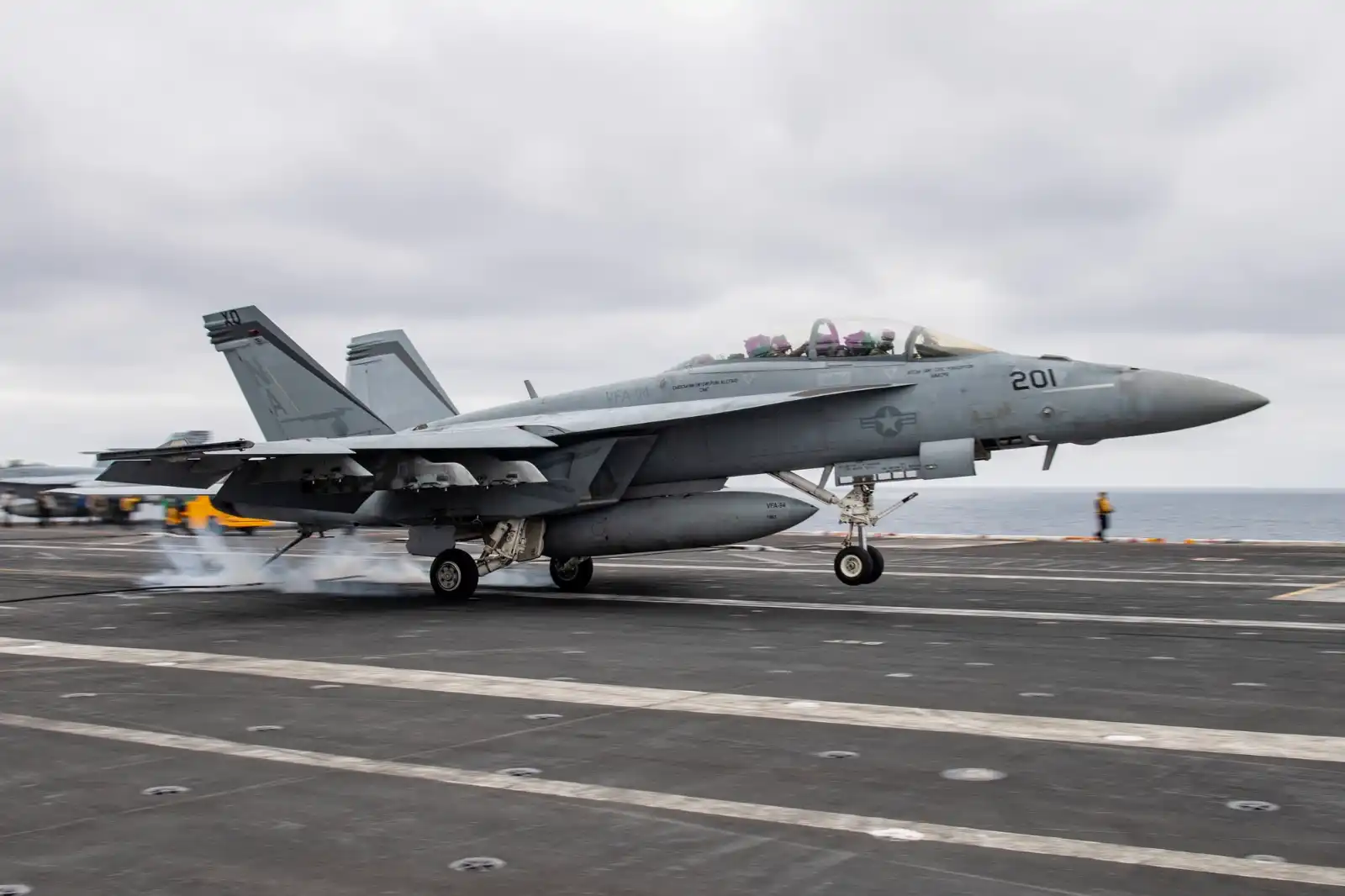
The F/A-18 Hornet and its successor, the F/A-18E/F Super Hornet, are among the most advanced carrier-based fighter jets in the world. One of the most critical parameters for their operation is landing speed, which directly impacts safe recovery aboard aircraft carriers and land-based runways. Understanding the exact landing speed of these aircraft, along with the factors influencing it, is essential for pilots, aviation engineers, and military personnel.
F/A-18 Landing Speed Overview
The landing speed of an F/A-18 varies depending on the specific model, weight, and operational conditions. However, standard figures are well-documented:
- F/A-18C/D Hornet: Typically lands at 135 knots (155 mph, 250 km/h) under standard operational weight.
- F/A-18E/F Super Hornet: Lands at a slightly lower speed of 130 knots (150 mph, 241 km/h), despite being a larger aircraft.
These speeds are vital for ensuring successful engagement with the arresting wires on an aircraft carrier deck or a controlled landing on a runway.
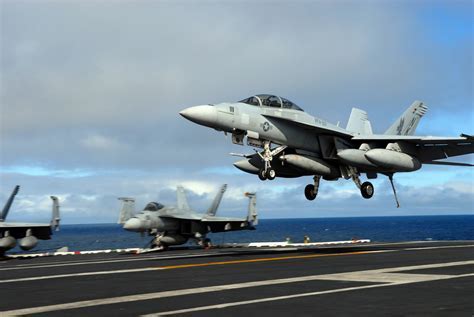
Understanding the F/A-18 Variants and Their Landing Speeds
The F-18 family consists of two primary variants:
F/A-18C/D Hornet
The F/A-18C/D Hornet, developed by McDonnell Douglas (now part of Boeing), was introduced in the 1980s and has played a critical role in U.S. Navy and Marine Corps operations. When landing, the aircraft follows strict protocols:
- Landing speed: 135 knots at a typical gross weight of 32,000 pounds.
- Flaps setting: Full, with an angle of attack (AOA) of approximately 8.1°.
- Stall speed: Considerably lower than landing speed (106 knots at 35,000 pounds with flaps at 30°), but higher speeds are maintained for stability and arresting hook engagement.
F/A-18E/F Super Hornet
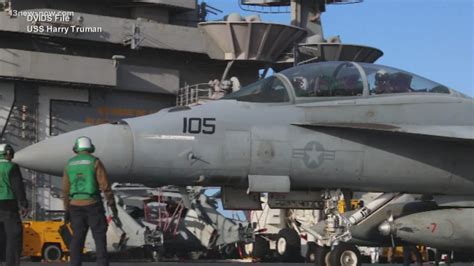
The Super Hornet is a larger, more advanced variant introduced in the late 1990s to replace the original F/A-18C/D and the F-14 Tomcat. Despite its increased size and weight, the aircraft features improved aerodynamics that allow it to land at a slightly lower speed:
- Landing speed: 130 knots during carrier approaches.
- Improved wing design: Increased wing area (by 25%) enhances lift, reducing approach speed.
- Optimized for carrier operations: Designed to work with existing U.S. Navy arresting gear systems.
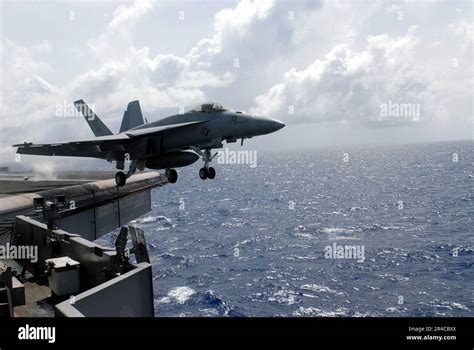
Why the Super Hornet Lands at a Lower Speed Than the Hornet
One might expect that the heavier Super Hornet (maximum takeoff weight: 66,000 pounds) would have a higher landing speed than the C/D variant (maximum takeoff weight: 51,900 pounds). However, flight performance data suggests otherwise. Several factors explain this anomaly:
- Aerodynamics: The Super Hornet’s increased wing surface area provides greater lift.
- Structural modifications: Newer leading-edge extensions improve low-speed handling.
- Carrier compatibility: Ensuring consistent arresting speeds simplifies deck operations.
These refinements allow the Super Hornet to maintain control while landing at 130 knots, reducing the strain on both the aircraft and the carrier’s arresting system.
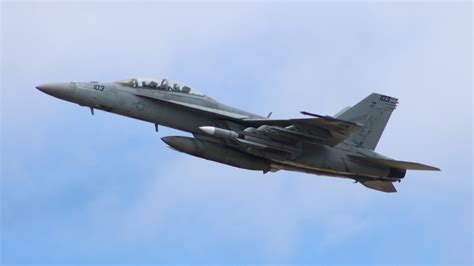
Landing Considerations for Carrier vs. Runway Landings
Landing an F/A-18 differs significantly depending on whether it is returning to an aircraft carrier or a runway:
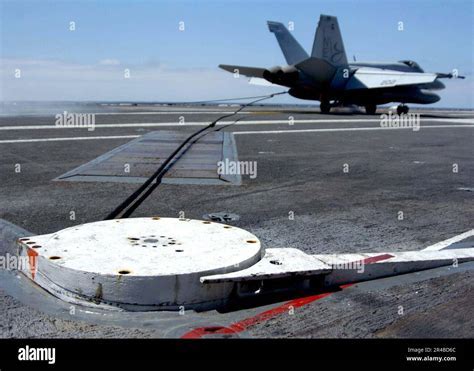
- Carrier Landings:
- Use of tailhook arrestment.
- Strict approach speeds (130-135 knots).
- High AOA for controlled descent.
- Runway Landings:
- Typically lower speeds (around 134 knots for the Hornet with 2,000 lbs of fuel).
- Can increase by 2.5 knots per 1,000 lbs of additional fuel.
- Use of aerobraking and wheel brakes instead of an arresting wire.
Performance Data from Official Sources
NATOPS Flight Manual (F/A-18A/B/C/D)
The NATOPS Flight Manual, used by U.S. Navy pilots, confirms the following:
- Landing Speed: 135 knots (for 32,000 lbs weight, full flaps).
- AOA: 8.1°.
- Flight Envelope Stability: Necessary for proper arresting hook engagement.
AOPA Report on Carrier Landings
A report from Aircraft Owners and Pilots Association (AOPA) discusses real-world Super Hornet carrier landings, confirming that pilots approach the deck at 130 knots.
Factors Affecting F-18 Landing Speed
Multiple variables can influence the final approach speed of an F/A-18:
- Aircraft Weight: More fuel or payload increases landing speed.
- Flap Configuration: Full flaps lower required speed.
- Wind Conditions: Headwinds reduce approach speed; tailwinds increase it.
- Carrier Movement: Adjustments needed for deck motion in rough seas.
Conclusion
The landing speed of an F/A-18 depends on the variant and operating conditions. The F/A-18C/D Hornet lands at approximately 135 knots, while the F/A-18E/F Super Hornet lands at around 130 knots due to improved aerodynamics. These speeds ensure safe and efficient landings on both carriers and runways.
Frequently Asked Questions
What is the stall speed of an F/A-18?
The stall speed of an F/A-18C/D Hornet at a 35,000-pound weight with flaps at 30° is approximately 106 knots. However, pilots land at higher speeds for control and stability.
Why does the Super Hornet land at a lower speed than the Hornet?
Despite being heavier, the Super Hornet’s improved aerodynamics, increased wing surface area, and enhanced leading-edge extensions allow it to generate more lift, reducing the required landing speed.
How does carrier landing differ from a runway landing for an F/A-18?
Carrier landings require a higher approach angle and strict arresting wire engagement, while runway landings allow for aerobraking and lower approach speeds.