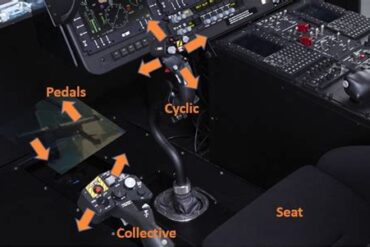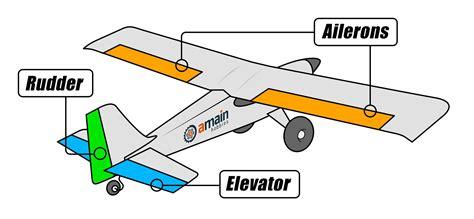
Aircraft flight controls are essential for pilots to navigate and manage the direction and attitude of an aircraft during flight. These controls are classified into two main categories: primary and secondary flight controls. Primary flight controls, which include ailerons, elevators (or stabilators in some designs), and rudders, are crucial for safe aircraft operation. On the other hand, secondary flight controls enhance performance or reduce control effort. They comprise high-lift devices like slats and flaps, as well as flight spoilers and trim systems.
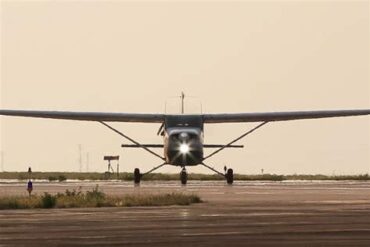
When pilots manipulate any of the primary flight controls, the aircraft rotates around its corresponding axis. Ailerons manage roll around the longitudinal axis, elevators handle pitch around the lateral axis, and rudders control yaw around the vertical axis. The simplest flight control systems are mechanical, relying on components such as cables, pulleys, rods, and chains to connect the cockpit controls to the flight surfaces. This design is still prevalent in many light and general aviation aircraft today.
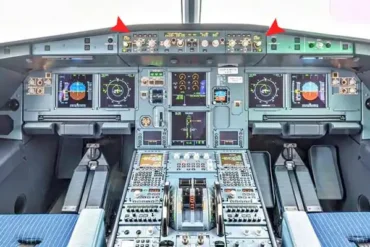
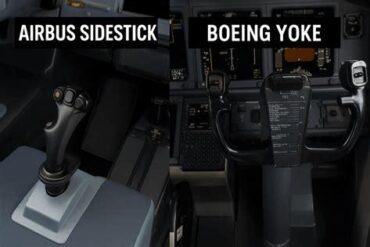
However, in larger and faster aircraft, the forces involved can be overwhelming for a pilot to manage alone. To assist, hydraulic systems are often used to operate the flight control surfaces more effectively. Recently, advancements in technology have led to the development of Fly-By-Wire systems. These systems replace much of the traditional mechanical hardware with computers and fiber optics, aiming to reduce weight and improve fuel efficiency.