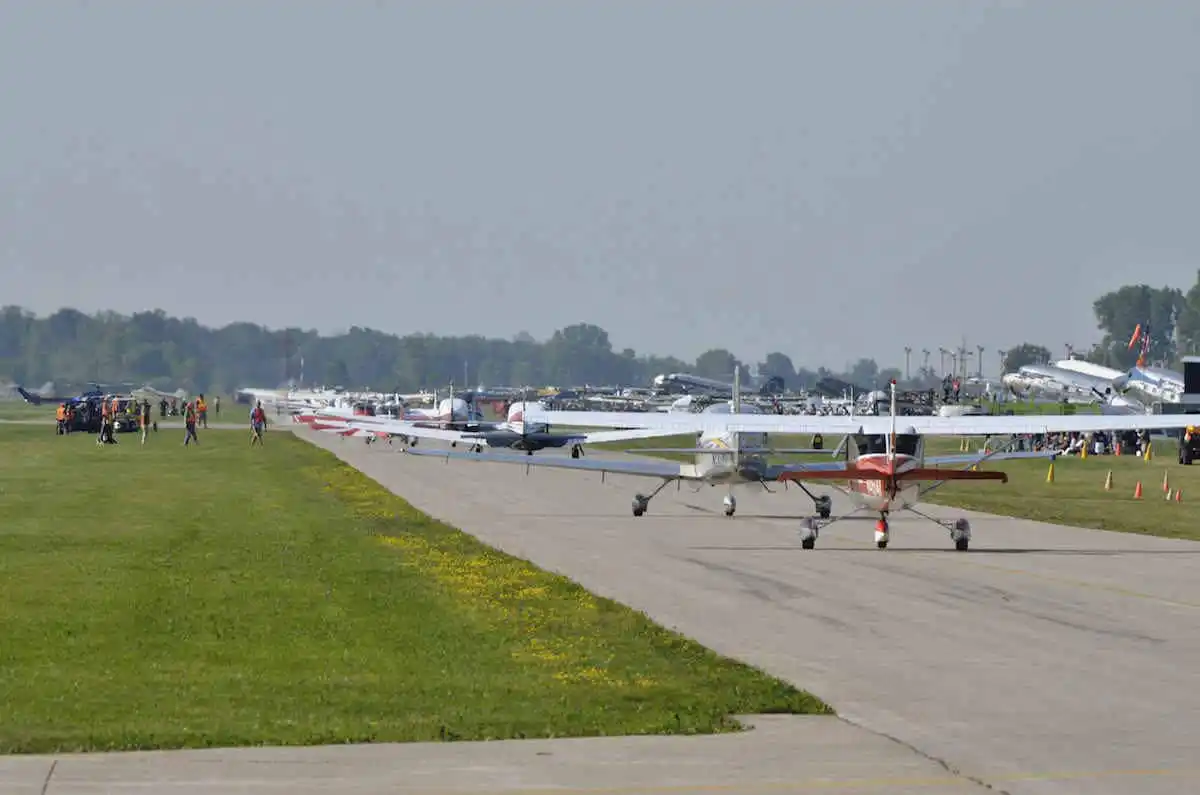
Flying yourself into EAA AirVenture Oshkosh is more than just a flight; it is a rite of passage steeped in aviation tradition, skill, and preparation. Flying into Oshkosh demands exact knowledge, unwavering focus, and an appreciation for the intricate choreography that transforms Wittman Regional Airport (OSH) into the busiest airfield in the world for one extraordinary week each summer.
Upon final approach to Oshkosh, pilots experience a sense of exhilaration unique to AirVenture. The moment you “rock your wings” at Fisk and land precisely on a colored dot, you become part of a living legacy shared by thousands. Preparation is the key to ensuring that this exhilarating moment is one of triumph rather than tension. To achieve this, we must fully understand the protocols, tools, and culture that define a safe arrival.
The Critical Importance of the EAA AirVenture NOTAM
Flying to Oshkosh without studying the official FAA Notice (NOTAM) is not an option. This comprehensive 32-page document dictates every phase of arrival, from initial approach to touchdown, taxi, and parking. Every procedure within the NOTAM is meticulously designed to maintain flow and prevent chaos at what temporarily becomes the world’s busiest airfield. Pilots must internalize key elements, including the Fisk Arrival, radio procedures, altitudes, and the all-important wing-rock signal acknowledgment.
To support this essential learning, EAA offers a live annual webinar, stepping pilots through every segment of arrival and ground operations. We strongly recommend attending, as it provides valuable updates and answers to frequently asked questions.
Simulated Training: Practicing the Fisk Arrival
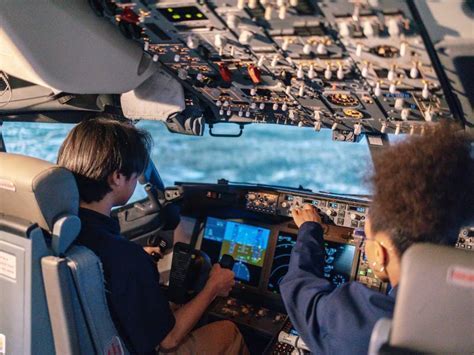
Pilots should not underestimate the value of simulator practice before departing for Oshkosh. Programs like Microsoft Flight Simulator X and X-Plane offer highly realistic Fisk Arrival training, enhanced with custom scenery packs that replicate important landmarks like Ripon and Fisk. For those without access to advanced simulators, platforms like Google Earth offer a visual rehearsal, allowing pilots to study waypoints and refine their mental map of the approach corridor.
Immersion into LiveATC Communications
As the event draws near, the airwaves around Wittman Field come alive. Thanks to LiveATC.net, pilots can tune in remotely to the real-time operations of Oshkosh’s approach, tower, and even airshow control. Immersing ourselves in these radio communications ahead of time familiarizes us with the rapid tempo, phraseology, and flow that define AirVenture arrivals and departures. YouTube also hosts countless pilot-eye view recordings, invaluable for visualizing the real-world experience of the Fisk Arrival and other approach routes.
Mastering Aircraft Performance for Precision Flying
Every pilot must arrive at Ripon knowing their aircraft’s precise configuration to maintain 1,800 feet and 90 knots (or 2,300 feet and 135 knots for faster aircraft). These speeds and altitudes are not suggestions; they are non-negotiable operational standards that maintain safe separation. We must spend time in our aircraft beforehand, dialing in the necessary power settings and configurations to fly these profiles effortlessly.
Spot Landing Accuracy: Hitting the Dot
Few challenges test a pilot’s skill at Oshkosh more directly than the dot landing requirement. Whether red, green, orange, or white, the designated colored dot is the assigned touchdown target, not a rough guideline. Pilots must be proficient in stabilizing approaches and executing pinpoint landings. For those needing practice, dual instruction is highly encouraged before departure.
Strategic Use of a Trusted Co-Pilot
Flying into Oshkosh can overwhelm even experienced aviators. Having a trusted co-pilot on board—especially one familiar with AirVenture arrivals—can dramatically ease the workload. This person serves as a second set of eyes for traffic spotting, verifies radio calls, and helps manage cockpit tasks. It is vital, however, that this co-pilot understands the gravity of maintaining focus and discipline during critical phases.
Monitoring Real-Time Field Conditions
Before crossing the Ripon waypoint, pilots must check Oshkosh’s parking status and field condition updates. While the EAA team strives to accommodate every arrival, temporary closures due to weather or traffic saturation are sometimes unavoidable. Real-time updates ensure that pilots have a contingency plan ready, whether that involves holding patterns, diverting temporarily to nearby airports like Fond du Lac (FLD), or Appleton (ATW).
Seaplane and Ultralight Arrivals: Unique Protocols
Pilots arriving by seaplane or flying ultralight aircraft follow specialized arrival procedures distinct from the traditional Fisk route. The Seaplane Base at Lake Winnebago provides a tranquil entry point, while ultralight pilots utilize a separate airspace corridor and landing area designed specifically for the smaller, lighter aircraft. Each of these arrival types has dedicated chapters within the NOTAM that must be meticulously reviewed.
The SimVenture Opportunity: Virtual Arrival Practice
The EAA SimVenture event, a virtual reality simulation held ahead of AirVenture, allows pilots to fly into a digital recreation of Oshkosh using a platform like PilotEdge. With real controllers and authentic procedures, SimVenture is an unmatched opportunity to rehearse the arrival in a realistic, high-pressure environment. We strongly recommend participation for those seeking to fine-tune their skills.
Tie-Down Readiness and Parking Preparation
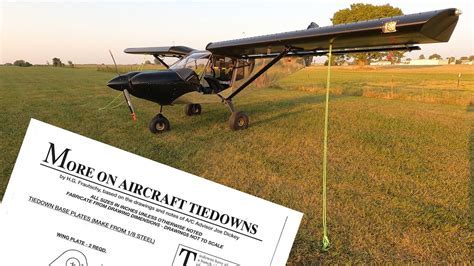
Upon landing, pilots are responsible for securing their aircraft promptly and securely. Many aircraft arriving at AirVenture will be parked in grass fields, necessitating reliable tie-downs. We must review proper knot techniques and equipment quality beforehand to ensure our aircraft remain safely secured throughout the event.
Taking Advantage of Pilot Hospitality Programs
Airports and FBOs along the way to Oshkosh often roll out the red carpet for AirVenture-bound pilots. Discounted fuel, free snacks, waived ramp fees, and courtesy cars are just some of the amenities available. Planning fuel stops strategically using EAA’s published discount listings can significantly reduce enroute costs while adding enjoyable layovers to the journey.
Weather Readiness: A Critical Component
Midwestern summer weather is notoriously unpredictable. Pilots must build flexibility into their travel plans, allowing for arrival adjustments based on forecast developments. Whether it is pop-up thunderstorms or strong crosswinds, being mentally and operationally prepared for weather deviations can make the difference between a memorable arrival and a costly mistake.
International Arrivals: Specialized Coordination
Pilots flying in from Canada or other international points must comply with additional U.S. Customs and Border Protection requirements. Pre-clearance, eAPIS submissions, and CBP notification are mandatory steps. Coordination with Customs-designated airports like Milwaukee (MKE) or Green Bay (GRB) streamlines re-entry into U.S. airspace and ensures a smooth final leg to Oshkosh.
Conclusion: Precision, Preparation, and Passion
Flying into Oshkosh is the culmination of months of preparation and years of dreaming for many pilots. It is a testament to our commitment to precision, respect for procedures, and passion for aviation. By mastering the NOTAM, practicing spot landings, understanding field logistics, and respecting the dynamic operational environment, we can ensure that our arrival at Oshkosh is not only successful but unforgettable.
The sky above Ripon and Fisk beckons. We have prepared, we have rehearsed, and now, it is time to rock our wings and join the living mosaic of aviation excellence that defines EAA AirVenture Oshkosh.