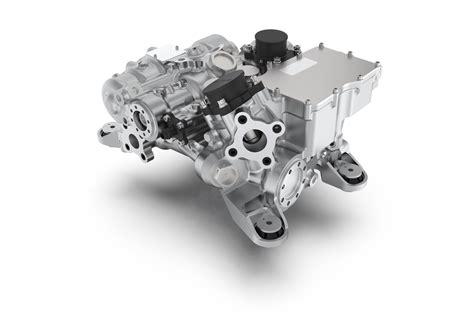
Controlling the right fuel-air mixture is crucial for the safe and efficient operation of gas turbine engines. If the mixture becomes too rich, meaning too much fuel enters the combustion chamber, it can create excessive heat that may damage the engine. Conversely, if fuel flow is suddenly reduced, the airflow might extinguish the flame in the combustion chamber. The Fuel Metering Unit (FMU) plays a key role in managing the fuel supply by controlling the fuel pump and monitoring various parameters. Its main goal is to keep the desired fuel-air mixture ratio consistent. This ensures that engines receive the right amount of fuel at all times, enhancing performance and fuel efficiency.
Typically, the FMU is located close to the engines, allowing for shorter fuel lines, which helps reduce the risk of pressure loss or contamination. It includes a metering valve and a pressure regulator. The metering valve controls the fuel flow rate, while the pressure regulator maintains a constant fuel pressure. The metering valve adjusts fuel flow based on inputs from the engine control systems, ensuring that engines get the correct amount of fuel for their current operating conditions.
The FMU also receives inputs from other systems, like the Engine Control Unit (ECU), to determine the right fuel delivery rate depending on factors such as engine speed, altitude, and temperature. By continuously monitoring these parameters, the FMU guarantees that engines receive the exact amount of fuel they need for optimal operation. An important aspect of the FMU’s function is fuel density compensation. It uses temperature and pressure sensors to measure density and adjusts the fuel flow accordingly, compensating for any variations. This ensures that engines always get the appropriate fuel flow, no matter the external conditions.