In 2025, we are witnessing a defining chapter in Hawaiian Airlines’ operational evolution, as the carrier undergoes a profound fleet transformation shaped by its integration with Alaska Airlines and a broader strategic realignment of long-haul and inter-island capabilities. This period marks more than a routine aircraft refresh; it represents a deliberate pivot toward efficiency, passenger-centric design, and network flexibility. Our focus is firmly on building a fleet architecture that can support both the romanticism of island travel and the technical demands of modern, high-frequency aviation, while maintaining the brand soul that has long distinguished Hawaiian Airlines in the Pacific market.
The current fleet profile reveals a carefully balanced mix of youth and maturity. With an overall average aircraft age of approximately 11.5 years, we are operating a technologically diverse lineup that blends next-generation widebodies with proven regional workhorses. This balance gives us the ability to deploy aircraft precisely where they perform best: new jets for long-haul comfort and aging, trusted airframes for short, high-cycle routes. The underlying strategy is clear—maximize lifecycle value while preparing the airline for the operational philosophies of a merged future.
Our most modern aircraft, the Boeing 787-9 Dreamliner, represent the clearest signal of Hawaiian Airlines’ long-term ambitions. These widebody aircraft have an average age of just 1.9 years, making them the youngest assets in the fleet and the technological centerpiece of our international aspirations. Each aircraft features a 300-seat layout, meticulously divided into two cabins designed for both performance and comfort. The 34 business class flatbeds, arranged in a 1-2-1 configuration, offer direct aisle access for every passenger and a level of privacy that redefines long-haul rest. Behind this premium space, 266 economy seats in a 3-3-3 layout provide optimized density without sacrificing personal space, airflow comfort, or cabin lighting harmony.
As the integration with Alaska Airlines progresses, these Dreamliners are earmarked for transfer to help establish a long-haul hub in Seattle. This move is not a reduction of ambition, but a redistribution of assets to unlock greater global reach under a unified strategy.
Airbus A330-200: Proven Workhorses in a High-Density Configuration
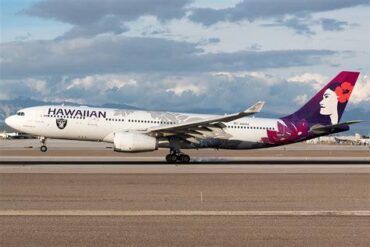
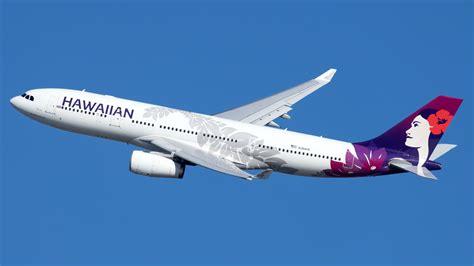
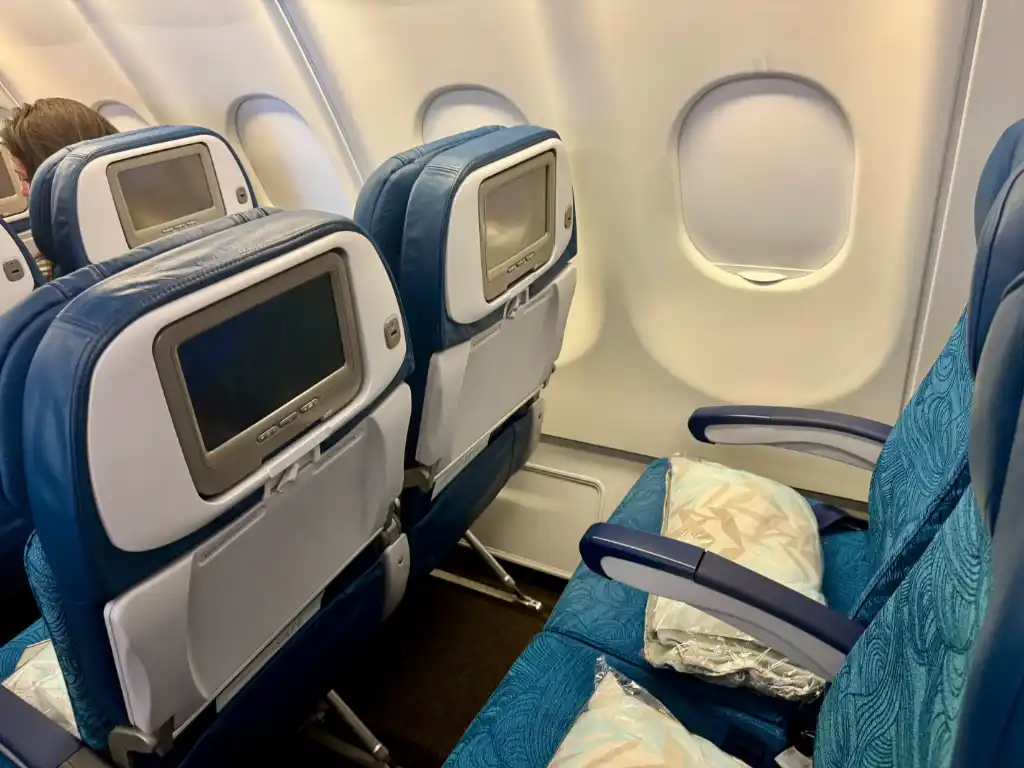
We continue to rely heavily on the Airbus A330-200 as the backbone of our medium- and long-haul network. With 24 aircraft in the passenger fleet and an average age of 12.5 years, these aircraft remain structurally robust and operationally economical. Their 278-seat configuration reflects a high-density philosophy, with 18 business class flatbeds arranged in a 2-2-2 layout and 260 economy seats optimized for consistent load factors across transpacific routes.
The A330’s role is expanding beyond passenger service. We now operate 10 Airbus A330-300P2F freighters dedicated to cargo operations, primarily supporting Amazon’s air logistics network. This dual-use strategy strengthens revenue diversification and ensures that our widebody investments are productive even beyond passenger travel demand cycles.
Airbus A321neo: A Rejuvenated Narrowbody Strategy
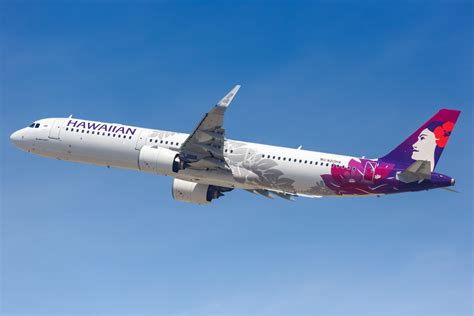
Our narrowbody modernization has been anchored by the Airbus A321neo, a platform selected for its fuel efficiency, operational range, and reduced maintenance burden. With 18 aircraft in the fleet and an average age of seven years, these jets are configured with 189 seats, including 16 domestic first class recliners and 173 economy seats.
Although some aircraft are currently stored or rotated for operational optimization, the A321neo remains central to our strategy of maintaining high-frequency, medium-range routes between secondary West Coast gateways and the Hawaiian Islands. The aircraft’s advanced aerodynamics, quieter engines, and improved cabin pressurization contribute to a flight experience that feels appreciably calmer and more refined, even on shorter sectors.
Boeing 717-200: The Island-Hopping Backbone
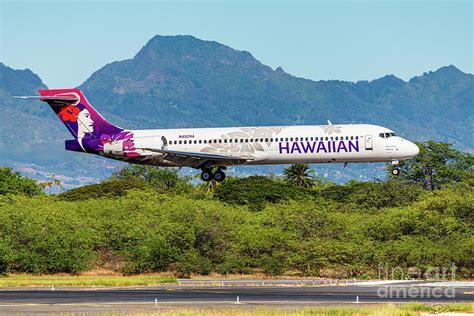
At the heart of our inter-island network sits the Boeing 717-200, a fleet that, despite its age, remains indispensable. With 19 aircraft and an average age nearing 24 years, these rear-engined twinjets are optimized for the short, high-frequency sectors that define Hawaiian domestic connectivity. Each aircraft offers 128 seats, including eight in first class and 120 in economy, and is engineered for rapid turnarounds, short runway performance, and exceptional reliability in high-cycle operations.
717 Life Extension and the Philosophy of Sustainable Longevity
Rather than prematurely retiring the Boeing 717 fleet, we have invested in a comprehensive life extension program that allows these aircraft to remain viable well beyond the next five years. This approach reflects a broader philosophy that sustainability is not limited to new materials or engines, but also found in extracting maximum safe value from existing assets. Structural reinforcements, avionics updates, and cabin refreshes have transformed these veteran jets into modernized workhorses that continue to perform with remarkable discipline.
Strategic Outlook: A Fleet Designed for a Global-Local Hybrid Future
As we move through 2025, our fleet strategy is becoming the structural backbone of a new operational identity. The transfer of advanced widebodies, the reinforcement of cargo capabilities, the refinement of narrowbody efficiency, and the preservation of inter-island reliability together form a coherent vision. We are not simply modernizing aircraft; we are engineering a system that can scale, adapt, and thrive across both global routes and hyper-local island networks.
This is not transformation for its own sake. It is transformation with intention, precision, and respect for the unique geography and cultural role that Hawaiian Airlines continues to serve.