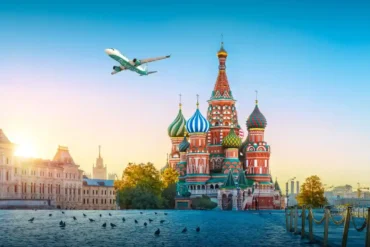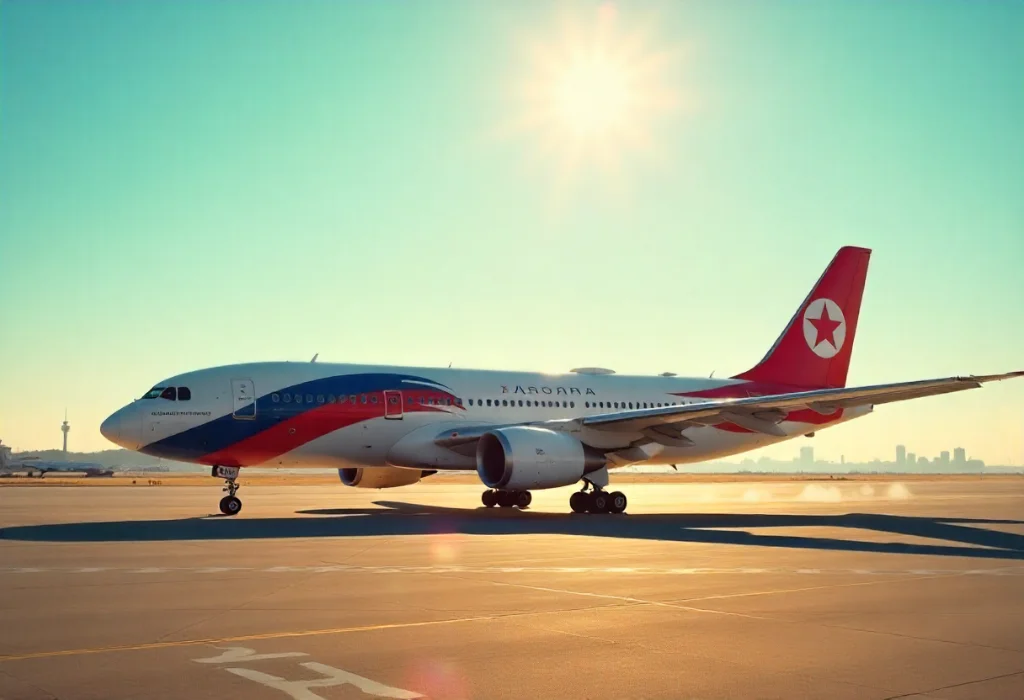
Russia is poised to resume direct passenger flights between Moscow and Pyongyang after a hiatus of over three decades, with the first flight scheduled for July 27, 2025. This landmark development signifies not only a revival of direct air travel between the two capitals but also reflects an evolving strategic alliance that could reshape regional transit dynamics in Southeast Asia, particularly impacting travel routes to destinations like Thailand.
The Ministry of Transport of the Russian Federation has confirmed that initial flights will operate on a monthly basis, with the potential to increase to twice weekly depending on passenger demand. The aircraft designated for this route is expected to be a Boeing 777-200ER, capable of accommodating 440 passengers for the approximately eight-hour journey from Moscow to the North Korean capital.
In a significant step, Rosaviatsia, Russia’s civil aviation authority, has granted permission to Nordwind Airlines to operate this new route. Officials have emphasized that these monthly flights are intended to build up demand before considering any increase in frequency, marking a careful approach to re-establishing this vital link.
Rail Revival: Complementary Transport Links
Alongside the resumption of air travel, Russian Railways has revitalized an eight-day passenger train service connecting Moscow to Pyongyang. This rail service stands as one of the longest direct train journeys globally, further enhancing connectivity between the two nations. This revival not only symbolizes deepening transport integration but also provides travelers with alternative means of reaching their destinations, complementing the newly established flights.
Strategic and Diplomatic Context
The return of direct flights between Moscow and Pyongyang occurs within a broader context of Russia-North Korea rapprochement. This realignment was underscored by the signing of a Comprehensive Strategic Partnership Treaty in June 2024, which enshrined cooperation across various domains, including political, security, and cultural aspects. At a recent press briefing, Sergei Shoigu, Russia’s Security Council Secretary, confirmed the resumption of regular flights after more than thirty years, emphasizing the importance of this development in the context of international relations.
Implications for Regional Transit and Tourism
While the new route connects two geographically distant capitals, its implications ripple out into Southeast Asia. The tourism industry in Thailand, particularly in key cities like Bangkok, Phuket, and Chiang Mai, often relies heavily on connecting traffic through major transit hubs such as Doha, Dubai, Singapore, Kuala Lumpur, and various European airports. Although direct flights from Russia to North Korea may not immediately involve Thailand, shifts in global aviation networks can influence how multi-leg itineraries are planned.
Historically, tourism authorities in Thailand have observed that diversions or new routes in distant regions can lead to significant changes in passenger flow, potentially shifting traffic away from traditional stopover cities in Asia. For instance, the introduction of flights connecting Russia and North Korea may encourage Russian or DPRK tourists to explore alternate routing options, thereby subtly influencing inbound tourist flows in Thailand.
Human Angle: Enhancing Connectivity and Easing Barriers
For ordinary travelers, particularly Russian citizens, the resumption of direct flights represents a newfound accessibility to North Korea without the need for indirect transit via Vladivostok or reliance on charter flights. This change could simplify travel planning and open new opportunities for exploration in a region often characterized by limited access.
From the perspective of tourism boards and travel agents, the increasing number of route options necessitates adaptive strategies in travel planning. The interconnectedness of tourism ecosystems, especially regarding Thailand’s inbound segment, requires vigilance in monitoring shifts that may influence connection choices for Asian and Russian tourists alike.
Looking Ahead: Growth and Monitoring
As Nordwind Airlines begins to establish passenger frequency on this route, both Russian and North Korean transport authorities will closely evaluate passenger demand. Should the flight frequency increase to bimonthly or weekly, it could pave the way for enhanced logistics and visa facilitation, potentially streamlining travel for tourists.
Thailand’s Tourism Authority and Ministry of Tourism & Sports are poised to monitor these developments closely. If connectivity between Russia and North Korea expands, there could be significant ramifications for travel patterns, particularly those involving Russian tourists exploring Asia. Such changes might lead to a reconfiguration of itineraries and stopover flows that could circumvent traditional Southeast Asian nodes, fostering a new era of travel dynamics in the region.
Conclusion
In summary, the resumption of direct Moscow-Pyongyang passenger flights on July 27, 2025, marks a pivotal moment in cross-border connectivity after over three decades of absence. This initiative is not merely about reviving air travel; it signifies the deepening of strategic ties and a broader reintegration of transportation links. While Thailand may not be a direct destination in this new route, the potential shifts in global transit alignments could have subtle yet impactful effects on its tourism sector. For travelers and global tourism planners alike, this development heralds a significant shift in the landscape of international travel, offering new opportunities and challenges as the world continues to evolve.