The Boeing 777 family has long been recognized as one of the most successful widebody aircraft in the aviation industry. Since its debut in 1995, the 777 has been a workhorse for airlines around the world, providing excellent fuel efficiency, long-range capabilities, and ample passenger capacity. The next evolution of this aircraft, the Boeing 777X, is set to take these attributes even further, offering significant changes in scale, design, and performance. But how different will the 777X be from the previous 777 models? Let’s dive into the key changes and improvements that set the 777X apart from its predecessors, focusing on its design, performance, and the future of long-haul flying.
Major Changes in Scale and Design
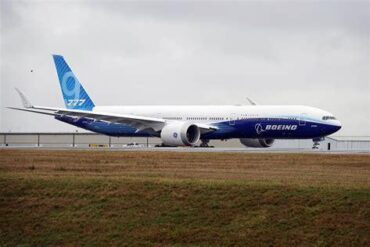
The 777X introduces two new variants, the 777-9 and the 777-8, both of which come with considerable upgrades in terms of size, structure, and passenger accommodation. The 777-9 is the larger of the two, with a fuselage that stretches to nearly 77 meters (251 feet 9 inches), which makes it the longest twinjet in commercial aviation. This increase in length allows it to accommodate around 426 passengers across two cabin classes, far surpassing the seating capacity of the earlier 777-300ER, which typically holds 392 passengers.
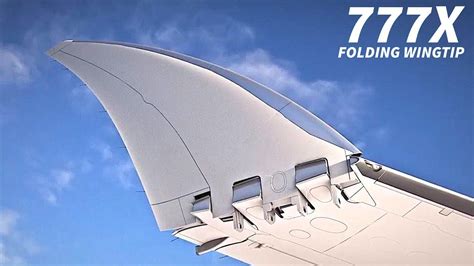
Meanwhile, the 777-8, although shorter than the 777-9, offers exceptional performance in terms of range and efficiency. This model is designed for ultra-long-range operations, with a maximum range of up to 8,745 nautical miles (16,190 km), which is the longest range of any Boeing aircraft to date. The addition of a new carbon-fiber wing with folding wingtips enhances aerodynamic performance, allowing the aircraft to maintain high efficiency even on long-haul flights.
One of the most striking changes in the 777X is its wingspan. The original 777 wings were around 60 to 64.8 meters. However, the 777X has a significantly larger wingspan of 71.75 meters when extended, thanks to the innovative folding wingtip design. This allows for greater fuel efficiency and improved lift, which is crucial for maintaining performance across long distances while lowering operating costs.
New GE9X Engines for Improved Fuel Efficiency
A key feature of the 777X is its use of the newly developed GE9X engines, built specifically for this aircraft. The GE9X is not only more fuel-efficient but also boasts lower emissions compared to earlier engine models like the GE90-115B engines used in the 777-300ER. The GE9X engines provide up to a 10% improvement in specific fuel consumption compared to the GE90, contributing to the aircraft’s ability to offer 12-13% better fuel efficiency overall.
The improved GE9X engines work in conjunction with the newly designed long-span composite wings, which feature folding wing tips that reduce drag and improve lift-to-drag ratios during flight. These aerodynamic enhancements are essential for the 777X’s ability to lower fuel consumption and boost efficiency.
Passenger Experience in the 777X
Beyond the improvements in size, range, and fuel efficiency, the 777X also brings noticeable changes to the passenger experience. Passengers will immediately notice the wider cabin of the 777X, which is around four inches wider than the cabin of the 777-300ER. This was achieved by reducing the thickness of the sidewalls by two inches on each side, allowing for a more spacious interior. Additionally, the 777X introduces larger windows, offering an impressive 29% larger window area compared to earlier 777 variants. This upgrade enhances the overall viewing experience and allows for more natural light to fill the cabin, which is a significant plus for passengers on long flights.
Another major change in the 777X is the improved cabin pressure system, which will maintain a cabin altitude of 6,000 feet at cruising altitude, lower than the typical 8,000 feet on earlier 777s. This improvement helps reduce passenger fatigue and improve overall comfort. Along with a quieter cabin—thanks to the GE9X engines operating at 8 decibels below ICAO Stage 5 noise limits—the 777X is designed to create a more pleasant flying experience.
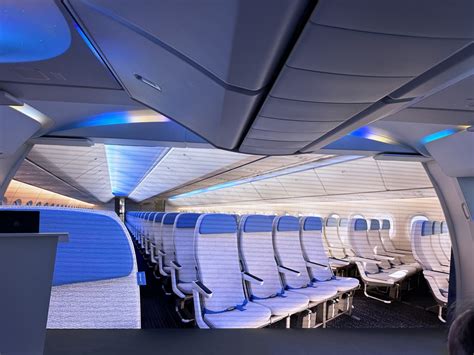
The new aircraft also features redesigned overhead bins, which nearly double the storage capacity of those found in earlier 777s. This is especially beneficial for passengers who need additional space for carry-on luggage, improving convenience and reducing boarding times.
A More Flexible Aircraft for Airlines
As the airline industry continues to evolve, with more emphasis on point-to-point routes and reducing operational costs, the 777X offers airlines increased flexibility. The 777X’s enhanced range and payload flexibility make it an ideal candidate for serving both major hub routes and smaller secondary cities that require longer, non-stop flights. While the previous 777 variants were built with hub-and-spoke networks in mind, the 777X is more adaptable to the demands of modern long-haul aviation.
For example, the 777-8 variant is capable of flying distances up to 8,745 NM (16,190 km), which allows airlines to provide non-stop services between secondary cities, reducing the reliance on traditional hub-and-spoke systems. This extended range also positions the 777-8 to replace the aging four-engine aircraft, such as the Boeing 747 and Airbus A380, which are no longer as economically viable in today’s market.
The Boeing 777X Faces Competition
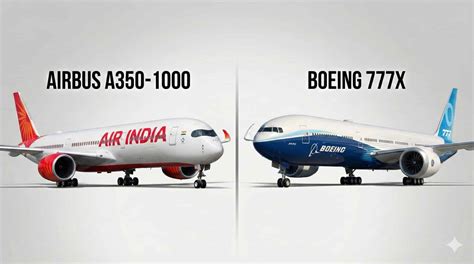
The 777X enters a highly competitive market, facing rivals from the Airbus A350 family, particularly the A350-1000. When comparing the 777-9 to the A350-1000, the Boeing aircraft offers a higher seating capacity, with 426 seats in a two-class layout, compared to around 350 seats for the Airbus competitor. The 777-8, on the other hand, competes with the A350-1000 in terms of range, slightly exceeding the A350’s 8,700 nautical miles. However, the 777X is said to offer 5% better aerodynamics and 10% lower operating costs than the A350, making it an attractive option for airlines looking to balance both range and operational efficiency.
Delayed Entry and Certification Challenges
Despite its advanced features, the 777X has faced significant delays in its certification process. Originally slated to enter commercial service by 2020, the aircraft has been delayed due to technical challenges and heightened scrutiny from regulators, especially in light of the 737 MAX incidents. One of the most significant delays occurred during flight testing in 2020, when a “uncommanded pitch event” led to concerns over the aircraft’s flight control systems. This, combined with issues such as cracks in the engine thrust link, has pushed back the entry into service.
Boeing, however, remains committed to delivering the aircraft by 2026. With an expected 12–13% improvement in fuel efficiency and an overall increase in capacity and range, the 777X promises to become a game-changer in the world of long-haul flying.
The Future of Long-Haul Aviation with the Boeing 777X
The 777X represents the future of long-haul aviation. With its improved fuel efficiency, longer range, and greater capacity, it is poised to become a key asset for airlines transitioning away from aging four-engine aircraft like the 747 and A380. Airlines are eagerly anticipating the delivery of this next-generation aircraft, which promises to meet the demands of the evolving aviation market.
As the 777X nears its certification and eventual entry into service, it will undoubtedly redefine long-haul flying for the coming decades. Combining advanced technology, exceptional range, and a superior passenger experience, the 777X is a clear step forward from its predecessors and an aircraft that will continue to dominate the skies for years to come.