The story of how Iran obtained one of the most advanced fighter jets of the Cold War is not just a tale of military procurement—it is a vivid illustration of strategic urgency, geopolitical miscalculation, and unintended consequences. The F-14 Tomcat, an aircraft synonymous with American naval dominance, found an unlikely second home in Iran during the 1970s. What began as a calculated move under the umbrella of Cold War containment policy ultimately evolved into one of the most controversial arms transfers in modern history.
Understanding how this happened requires stepping into a world defined by superpower rivalry, regional instability, and the ambitions of a monarch determined to transform his nation into a military powerhouse.
Cold War Tensions and the Strategic Importance of Iran
In the aftermath of World War II, the fragile alliance between the United States and the Soviet Union dissolved into deep suspicion. The resulting Cold War was not fought through direct confrontation alone, but through influence, alliances, and proxy conflicts. Iran, positioned at the crossroads of Europe, Asia, and the Middle East, quickly became a critical piece on this geopolitical chessboard.
For Washington, preventing Soviet expansion into the Persian Gulf was non-negotiable. The region’s energy resources and strategic waterways made it indispensable. Iran, sharing a long northern border with the USSR, became a frontline state in the broader strategy of containment.
The Shah of Iran, Mohammad Reza Pahlavi, shared this concern. The memory of Soviet troops occupying northern Iran during World War II lingered heavily, reinforcing his belief that a powerful military—especially an advanced air force—was essential for national survival.
The Shah’s Ambition: Building a Modern Air Force
Mohammad Reza Pahlavi was not content with a modest defense capability. He envisioned Iran as a regional superpower, capable of deterring any external threat and projecting influence across the Middle East.
By the early 1960s, he openly acknowledged the weaknesses of Iran’s military, particularly its air force. At the time, the Imperial Iranian Air Force (IIAF) was limited in scope and technology, largely designed for support roles rather than air superiority.
This began to change rapidly as Iran’s oil revenues surged. With increasing wealth came the ability to purchase cutting-edge Western weaponry. The United States, eager to strengthen a reliable ally, responded enthusiastically.
Tehran’s procurement of American arms expanded dramatically, including:
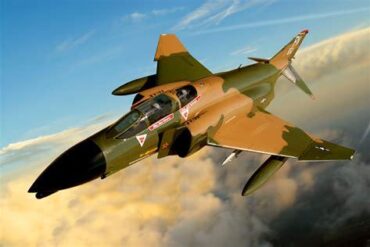
- F-4 Phantom II fighter-bombers
- F-5 lightweight fighters
- Advanced missile systems and helicopters
Yet the Shah wanted something more—a platform that could detect and destroy threats at long range, especially Soviet reconnaissance aircraft that frequently probed Iranian airspace.
Enter the F-14 Tomcat: The Crown Jewel of Air Power
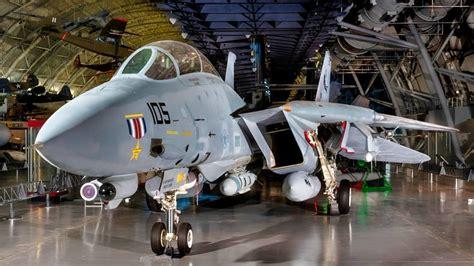
The answer arrived in the form of the F-14 Tomcat, a revolutionary fighter developed by Grumman for the U.S. Navy. It was not merely an aircraft; it was a technological leap forward.
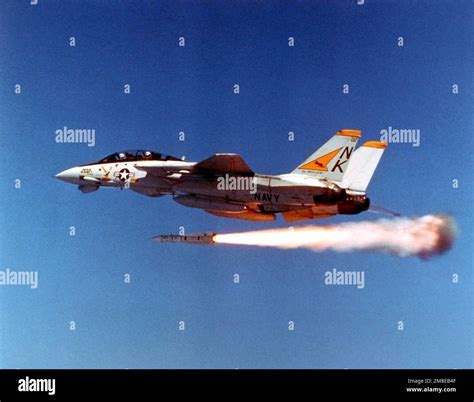
Equipped with the powerful AWG-9 radar and the long-range AIM-54 Phoenix missile, the F-14 could track and engage multiple targets at distances previously unimaginable. It was designed to counter Soviet bombers before they could threaten U.S. carrier groups.
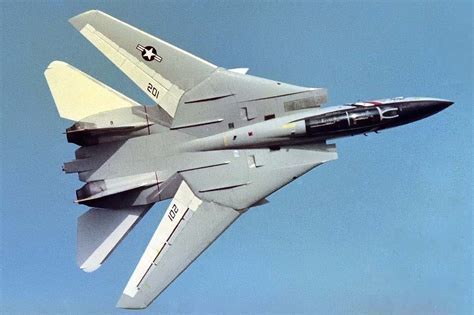
For Iran, the Tomcat offered something even more valuable: the ability to compensate for gaps in its ground-based radar network. With vast territories and limited infrastructure, Iran needed an airborne solution—and the F-14 delivered.
The Nixon Doctrine and a Blank Check for Arms
The turning point came in 1972 during a brief but pivotal visit by U.S. President Richard Nixon to Tehran. As part of a broader strategy known as the Nixon Doctrine, the United States aimed to empower regional allies to handle their own security.
Iran and Saudi Arabia were designated as the “twin pillars” of stability in the Persian Gulf.
During this visit, Nixon reportedly gave the Shah unprecedented freedom: Iran could purchase virtually any conventional weapon system it desired.
This decision unlocked a floodgate. Iran’s military acquisitions skyrocketed, and among the most significant deals was the acquisition of the F-14 under the project codenamed “Persian King.”
The Persian King Program: A Historic Arms Deal
Signed on January 7, 1974, the Persian King program marked a watershed moment in military history. Iran ordered:
- 80 F-14A Tomcats
- 714 AIM-54 Phoenix missiles (initial and follow-on orders combined)
- Extensive spare parts and support infrastructure
The total cost reached approximately $2 billion, making it the largest foreign military sale ever at the time.
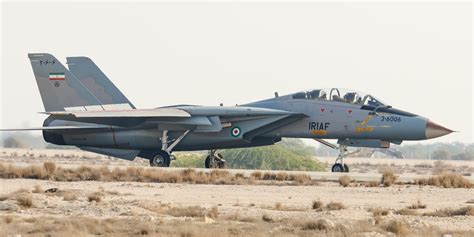
This was not just a purchase—it was a comprehensive transformation of Iran’s air capabilities. New bases were constructed, including Tactical Fighter Base 8 near Isfahan, specifically designed to house and operate the Tomcat fleet.
Saving Grumman: Iran’s Unexpected Role in U.S. Defense Industry
Ironically, Iran’s order did more than strengthen its own military—it saved the F-14 program itself.
By the early 1970s, the Tomcat project was plagued by cost overruns and political opposition in the U.S. Congress. Funding was uncertain, and Grumman faced severe financial difficulties.
The Shah intervened in a remarkable way. Through Bank Melli of Iran, he facilitated financial support that allowed Grumman to continue production. Without this intervention, the F-14 might never have reached full operational status—even for the U.S. Navy.
This moment underscores the depth of the U.S.-Iran partnership at the time—one built not just on strategy, but on mutual dependency.
Training the Elite: Iranian Pilots in America
Operating the F-14 required exceptional skill. Iran’s investment extended beyond hardware to human capital.
Beginning in 1974, Iranian pilots and technicians traveled to the United States for training. Programs were conducted at:
- NAS Miramar, California
- NAS Oceana, Virginia
Pilots trained alongside U.S. Navy units such as VF-124 “Gunfighters” and VF-101 “Grim Reapers.”
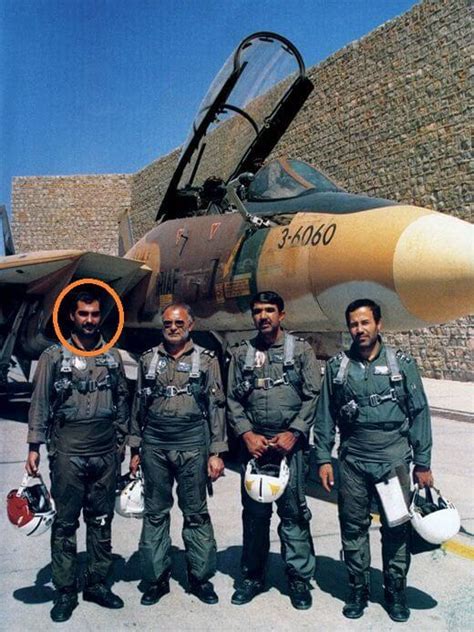
Meanwhile, Iranian engineers studied the intricacies of:
- The TF30 engines at Pratt & Whitney
- The AWG-9 radar and weapons systems at Hughes Aircraft
By the late 1970s, the IIAF had evolved into one of the most formidable air forces in the region, boasting advanced aircraft, well-trained crews, and sophisticated support systems.
Revolution and Rupture: From Ally to Adversary
Everything changed in 1979.
A wave of political unrest culminated in the Iranian Revolution, forcing the Shah into exile and bringing Ayatollah Ruhollah Khomeini to power. The new regime rejected Western influence, particularly that of the United States.
The situation escalated dramatically during the U.S. Embassy hostage crisis, where 52 Americans were held for 444 days. Diplomatic relations collapsed overnight.
Suddenly, the United States faced a stark reality: one of its most advanced weapons systems was now in the hands of a hostile regime.
The Iran-Iraq War and the Struggle to Maintain the F-14
When Iraq invaded Iran in 1980, the newly formed Islamic Republic of Iran Air Force (IRIAF) was thrust into a brutal conflict.
Despite sanctions and isolation, Iran managed to keep a portion of its F-14 fleet operational. The Tomcat proved invaluable, using its long-range radar and missiles to intercept Iraqi aircraft and defend critical infrastructure.
However, maintaining these aircraft became increasingly difficult. Spare parts were scarce, leading to widespread cannibalization—stripping some jets to keep others flying.
By 1982, estimates suggested:
- Only 10–15 F-14s remained operational
- Large portions of the fleet were grounded due to lack of parts
Technology Leakage and Strategic Anxiety
The U.S. grew increasingly concerned that Iran might transfer sensitive technology to other nations, particularly China.
During the Iran-Iraq War, Iran engaged in arms deals that sometimes involved exchanging access to Western and Soviet equipment. This raised fears that the advanced radar and missile systems of the F-14 could be studied and replicated by adversaries.
These concerns were not hypothetical. Evidence suggested that foreign buyers had already exploited gaps in procurement systems to acquire sensitive components.
The Final Decision: Destroying the Remaining F-14s
Faced with the risk of further technology leakage, the United States made a drastic decision.
At Davis-Monthan Air Force Base in Arizona, home to the famous “Boneyard,” the U.S. began systematically destroying retired F-14s. Approximately 165 aircraft were shredded, ensuring that no spare parts could be diverted to Iran.
This move was unprecedented. Military aircraft are typically stored, sold, or repurposed—not deliberately destroyed in such large numbers.
The message was clear: preventing the proliferation of F-14 technology had become a national priority.
The Legacy of Iran’s F-14 Fleet
The saga of Iran’s F-14s is a powerful example of how short-term strategic decisions can produce long-term complications.
For the United States, arming Iran was once a logical step within the framework of Cold War containment. It strengthened a key ally, deterred Soviet aggression, and supported the domestic defense industry.
Yet history had other plans.
The same aircraft that once symbolized cooperation and shared interests became a source of anxiety, risk, and eventual destruction. The F-14’s fate became inseparable from the shifting tides of geopolitics.
For Iran, the Tomcat remains a symbol of both technological achievement and resilience. Despite decades of sanctions, the country managed to operate and maintain a portion of its fleet far longer than many expected.
A Strategic Lesson Written in Steel and Sky
The story of Iran’s F-14 acquisition is not just about fighter jets—it is about trust, power, and unintended consequences.
It reveals how alliances can shift rapidly, how advanced technology can outlive political relationships, and how decisions made in moments of confidence can echo for decades.
In the end, the F-14 Tomcat stands as more than an aircraft. It is a reminder that in geopolitics, today’s ally can become tomorrow’s dilemma—and sometimes, the cost of that shift is measured in billions of dollars and the dismantling of legends.