The Airbus A380 remains an engineering marvel in modern aviation—a colossal double-decker aircraft that demands not only cutting-edge technology but a meticulously orchestrated team to manage both service and safety. One of the most critical operational components of this aircraft is its cabin crew, particularly flight attendants, whose roles are indispensable not only for passenger comfort but for emergency preparedness. Understanding how many flight attendants are needed on the Airbus A380 requires an in-depth look into international regulations, aircraft design, airline policies, and operational standards.
Regulatory Framework: Defining the Minimum Cabin Crew
The number of flight attendants required on the A380 is not arbitrary—it is grounded in stringent aviation safety regulations. Both the Federal Aviation Administration (FAA) in the United States and the European Union Aviation Safety Agency (EASA) enforce regulations to ensure that in the event of an emergency, the aircraft can be evacuated in under 90 seconds, even with half the exits unusable.
For the A380, which boasts 16 floor-level emergency exits, the minimum number of flight attendants mandated is 16—one for each exit. However, this is merely a safety baseline. The true number of crew aboard varies depending on airline policies, aircraft configuration, and route duration.
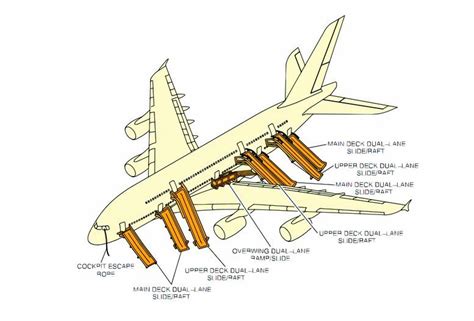
EASA further refines this baseline by stipulating that in an all-economy maximum-capacity configuration—853 passengers—the aircraft must carry at least 18 flight attendants. This number includes 11 assigned to the main deck and 7 to the upper deck, ensuring that both levels are adequately staffed for swift evacuation.
Emergency Evacuation Trials: The Gold Standard in Safety Testing
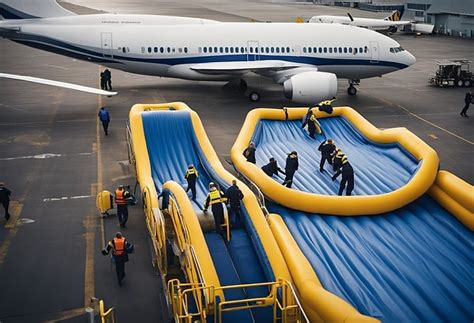
Before any commercial aircraft enters service, it must pass rigorous emergency evacuation certification tests. The Airbus A380’s evacuation test remains one of the most demanding trials in aviation history. In a live simulation involving 853 volunteers, 18 flight attendants, and two pilots, the entire aircraft was successfully evacuated in 78 seconds, well below the required 90.
This test was conducted in near-darkness with smoke, simulated luggage, and only eight exits available—demonstrating the vital role of cabin crew in ensuring order, delivering commands, deploying slides, and directing the evacuation with precision.
Airline-Specific Crew Configurations: Above and Beyond the Minimum
Though regulators define minimum standards, airlines typically exceed these requirements to enhance in-flight service and maintain operational efficiency. Here’s how major A380 operators staff their flights:
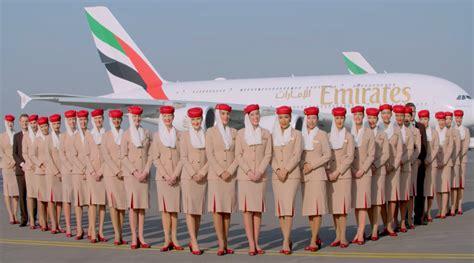
- Emirates, the largest A380 operator, typically flies with 24 flight attendants and 2 cabin assistants. The latter manage the aircraft’s exclusive shower spas, available in first class, but are not trained for safety duties.
- British Airways configures its A380s with 20 flight attendants, reflecting a balance between safety and premium service.
- Qantas maintains 21 crew members, while Singapore Airlines varies staffing from 22 to 26, depending on the seat configuration and service class distribution.
- Lufthansa, another leading A380 operator, usually flies with 20 attendants.
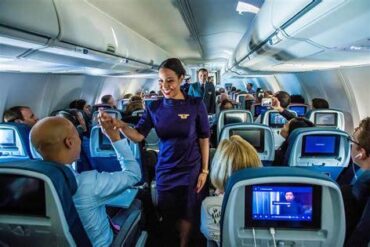
In addition to general service crew, there are two senior flight attendants—one for each deck—responsible for supervising operations and serving as the lead point of command in emergencies.
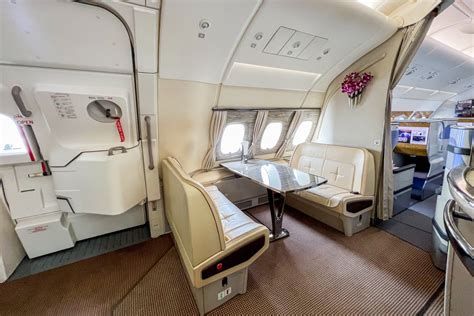
Crew distribution also includes dedicated positions at stairwells between decks. Although these attendants do not man exits, their role is crucial for managing the inter-deck flow of passengers during evacuations.
Aircraft Design Implications: Why the A380 Demands More
The sheer scale of the Airbus A380 adds layers of complexity to its operation. Measuring nearly 262 feet in wingspan and rising as tall as a five-story building, the aircraft was designed with comfort and capacity in mind. With typical seating arrangements between 480 and 550 passengers in multi-class configurations, the crew-to-passenger ratio naturally increases.
The aircraft’s dual-level layout demands a strategic allocation of cabin crew across both decks. During flights, attendants must handle everything from multi-course meal service in first class to managing the inflight bars, assisting families, and coordinating special service needs—all while being trained to transition into emergency response roles in seconds.
Evolution of the A380 and the Role of Cabin Crew
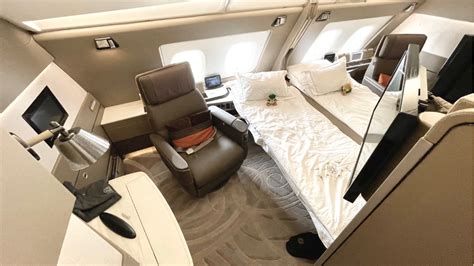
Since its launch in 2007 by Singapore Airlines, the A380 has redefined luxury air travel. Emirates, which ordered the most A380s, introduced first-class shower spas, lounge bars, and private suites, all of which require specialized crew training beyond standard duties.
By 2024, over 250 million passengers had flown aboard the A380. With each innovation—from center suites that convert to double beds to in-flight lounges—the role of flight attendants expanded. Airlines required crew who were not only trained in safety procedures but also skilled in premium service, cocktail preparation, and managing high-value clientele.
The Decline and Revival: Post-Pandemic Operations
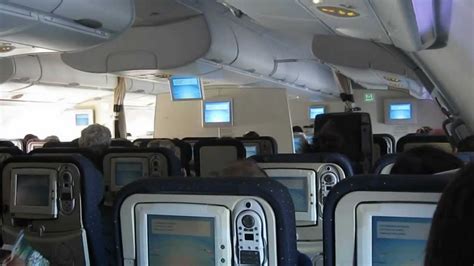
After the COVID-19 pandemic, many airlines retired or grounded their A380 fleets due to lower demand and operational costs. However, with international travel rebounding, several airlines—including Emirates, British Airways, and Lufthansa—have reinstated the aircraft on high-density, long-haul routes.
Emirates aims to operate 110 A380s by the end of 2026, solidifying its commitment to the aircraft. The large number of required flight attendants is viewed as an investment in service excellence and safety assurance, especially on premium-heavy routes to destinations like London, Sydney, and New York.
Comparing With Other Aircraft: Why the A380 Stands Apart
When compared to other long-haul aircraft, the A380 clearly outpaces its peers in staffing requirements:
- A typical Boeing 777-300ER, seating up to 396 passengers, often carries 10 to 12 flight attendants.
- The Boeing 787 Dreamliner, configured for about 250 passengers, generally requires 6 to 8 attendants.
The A380’s double-deck design, passenger capacity, and luxury amenities justify a larger crew to maintain safety compliance and deliver seamless service.
The Bottom Line: A Balance of Safety and Service
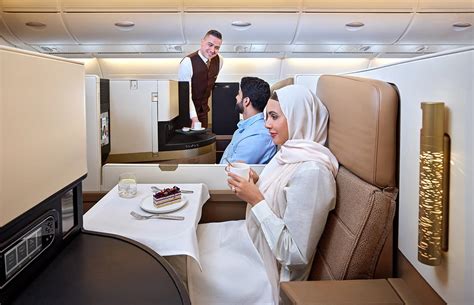
The Airbus A380’s cabin crew requirements are a function of both regulatory mandates and operational ambition. While 16 flight attendants is the absolute minimum due to emergency exit rules, most airlines choose to operate with 20 to 26 to ensure high service standards and emergency preparedness.
These flight attendants are far more than friendly faces. They are trained professionals—safety officers, evacuation commanders, and customer service ambassadors—who uphold the integrity of the world’s largest passenger aircraft. In a vessel where every second counts in an evacuation, their presence and preparedness define the success of the journey.
As the A380 returns to more international skies, the continued dedication of its cabin crews will remain central to its legacy. Whether delivering gourmet meals or guiding 800+ passengers to safety, flight attendants are the unsung heroes of this airborne giant.