Agricultural sprayer drones are revolutionizing the farming industry in the United States, offering increased efficiency, reduced chemical use, and precise application. These unmanned aerial vehicles (UAVs) are becoming an essential tool for crop dusters, providing a more effective way to manage large-scale agricultural operations. In this article, we will explore the various steps and requirements needed to use agricultural sprayer drones legally and efficiently in the U.S., focusing on licensing, regulations, and operational guidelines.
Understanding Agricultural Sprayer Drones and Their Advantages
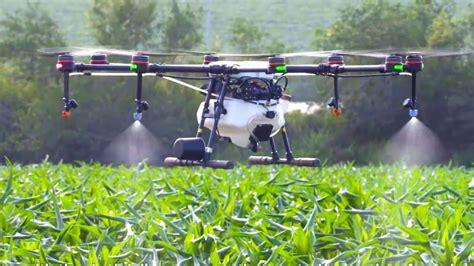
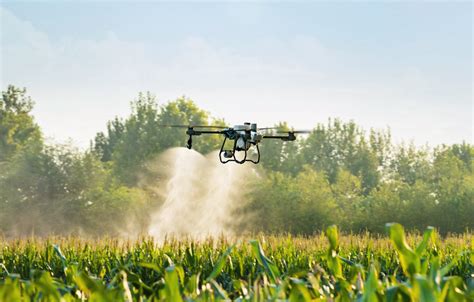
Agricultural sprayer drones are designed to help farmers spray pesticides, fertilizers, and other chemicals with accuracy. These drones are equipped with advanced technology such as GPS, real-time data collection, and automated spraying mechanisms, which ensure that chemicals are applied precisely where needed. This precision reduces wastage, minimizes environmental impact, and optimizes the use of agricultural inputs.
The primary advantages of using agricultural sprayer drones include:
- Precision application: Drones can spray at specific rates, reducing over-spraying and runoff.
- Reduced pesticide use: With more accurate spraying, the amount of pesticide required is significantly lowered.
- Increased efficiency: Drones can cover large areas quickly and more cost-effectively than traditional methods.
- Reduced labor costs: Drones automate the spraying process, reducing the need for manual labor.
In addition to these advantages, agricultural sprayer drones can also be used in areas that are difficult to access, such as hilly terrain or fields with uneven ground.
Legal Requirements for Operating Agricultural Sprayer Drones in the US
Before you begin using agricultural sprayer drones, it’s essential to understand the legal requirements involved. The Federal Aviation Administration (FAA) and various state-level agencies regulate drone operations, including aerial spraying of chemicals. There are specific licenses and permits that you must acquire before legally flying a drone for agricultural purposes.
1. FAA Part 107 Drone Pilot License
The first step to operating an agricultural sprayer drone in the United States is obtaining a Part 107 Drone Pilot License from the FAA. This license ensures that you have the necessary knowledge and skills to operate a drone safely in the National Airspace System. To acquire this license, you must meet the following requirements:
- Be at least 16 years old.
- Pass the aeronautical knowledge test, which covers subjects such as weather, regulations, and drone operation.
- Undergo a security screening by the Transportation Security Administration (TSA).
Once you pass the knowledge test, you’ll be issued a Part 107 license, which is valid for two years. This certification is required for any commercial drone operation, including agricultural spraying.
2. FAA Drone Registration and N-Number
All drones used for commercial purposes must be registered with the FAA. Once registered, your drone will be assigned a unique N-number, which is essential for tracking and identifying your drone during flight. This registration ensures compliance with safety standards and regulations.
3. FAA Part 137 License
In addition to the Part 107 drone pilot license, anyone using drones to spray chemicals must obtain an FAA Part 137 License. This license is required for aerial application of agricultural chemicals, similar to the licensing requirements for crop dusters. The Part 137 license ensures that the drone operator is aware of the safety, environmental, and operational concerns associated with spraying chemicals.
The Part 137 license also involves specific safety measures for chemical spraying, including:
- Proper handling and application of pesticides.
- Adherence to environmental regulations regarding chemical use.
- Maintenance and inspection of spraying equipment.
4. Part 137 Exemption
If you’re operating a drone that weighs more than 55 pounds, such as the DJI Agras T50 or DJI Agras T25, you will need to apply for a Part 137 exemption. This exemption allows you to use larger drones for agricultural spraying while ensuring they meet safety standards. The exemption process requires that you demonstrate your drone’s ability to operate safely without posing risks to people or property.
Once approved for the exemption, you must submit your request through the FAA’s regulations.gov website. After obtaining the exemption, you can apply for your Part 137 license through the Flight Standards District Office (FSDO).
5. Aerial Commercial Applicator License
In addition to the FAA requirements, you will also need to obtain an Aerial Commercial Applicator License from your state’s regulatory agency. This license is required to legally spray pesticides and other chemicals from the air using a drone.
The requirements for obtaining this license vary by state, but generally include:
- Completion of an approved training program for aerial pesticide application.
- Successful completion of a state-level exam focused on pesticide safety and application techniques.
- Proof of liability insurance to cover any potential damage or accidents.
- Compliance with environmental regulations specific to your state.
Some states may also require field testing to demonstrate your ability to safely apply chemicals using a drone.
Best Practices for Operating Agricultural Sprayer Drones
Once you have the necessary licenses and permits, it is crucial to operate your agricultural sprayer drone according to the best practices to ensure safety, efficiency, and compliance. Here are some guidelines to follow:
- Pre-flight checks: Always perform thorough checks on your drone’s systems, including batteries, spraying mechanisms, GPS, and communication systems.
- Weather conditions: Avoid flying in extreme weather conditions, such as high winds, heavy rain, or poor visibility.
- Spraying limits: Ensure that your drone is calibrated correctly to apply the right amount of chemicals per acre. Over-spraying can lead to wasted chemicals and environmental damage.
- Stay updated with regulations: Regularly check for updates on FAA rules and state-specific regulations to stay compliant with any changes in the law.
By following these best practices, you can maximize the benefits of using agricultural sprayer drones while minimizing risks to your crops, the environment, and public safety.
Conclusion
The use of agricultural sprayer drones is an exciting and innovative way to improve the efficiency and sustainability of farming operations in the U.S. However, to operate legally and safely, it is essential to adhere to the licensing and regulatory requirements set forth by the FAA and your state’s regulatory agency.
By obtaining the necessary FAA Part 107 and Part 137 licenses, along with a state-specific aerial applicator license, you can ensure that your drone operations are compliant with all laws. Additionally, make sure to follow best practices for safe drone operation and environmental responsibility to maximize the benefits of this advanced technology.
Always stay informed about the latest regulations and technological advancements in the drone industry, as these will play a key role in the future of precision agriculture.
![Big Drones & Heavy Lift Drones: A Comprehensive Guide for Drone Pilots [New for 2025]](https://boltflight.com/wp-content/uploads/2025/05/big-drones-heavy-lift-drones-comprehensive-guide-drone-pilots-new-2025-370x247.jpg "Big Drones & Heavy Lift Drones: A Comprehensive Guide for Drone Pilots [New for 2025]")