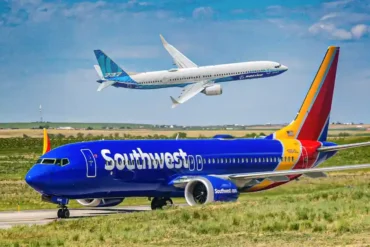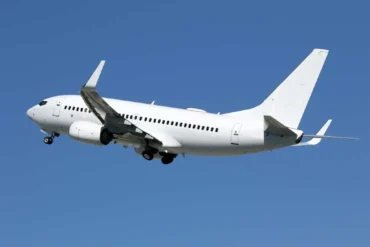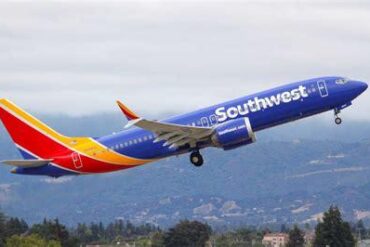
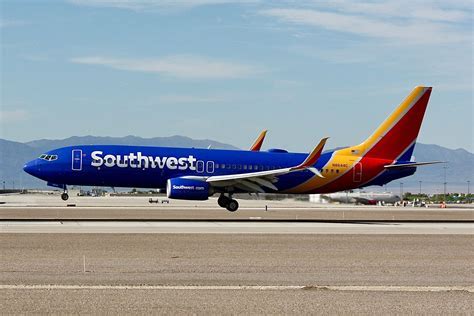
Southwest Airlines, the undisputed largest global operator of the Boeing 737 MAX, continues to leverage its extensive MAX fleet to consolidate and expand its footprint across the United States and beyond. Since receiving its first 737 MAX 8 in 2017, the airline has cultivated a strategy centered around this efficient narrow-body aircraft, optimizing its usage on both short inter-island hops and lengthy transcontinental hauls.
By 2025, Southwest Airlines will operate more than 270 Boeing 737 MAX 8s, with plans to grow this figure significantly through outstanding orders for both the MAX 8 and the yet-to-be-certified MAX 7. With uniformity at the heart of its fleet philosophy, Southwest is maintaining an all-737 strategy to ensure operational simplicity, cost efficiency, and enhanced scheduling flexibility. This strategic consistency allows the carrier to offer a seamless travel experience across its sprawling domestic and international network.
Hawaiian Dominance: Inter-Island and Mainland Flights Saturated by the MAX
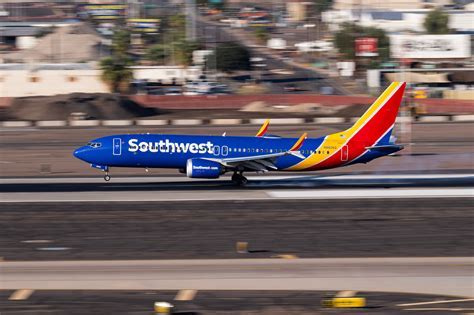
Nowhere is the influence of the Boeing 737 MAX more profound than in Hawaii, where Southwest has rapidly ascended to become the second-largest carrier in the state, commanding around 16% of the total market share. Since its 2019 debut in Hawaii, Southwest has aggressively expanded its offerings with the MAX, operating a web of routes both between the islands and from major mainland gateways such as Los Angeles (LAX), San Diego (SAN), Phoenix (PHX), and Las Vegas (LAS).
Among all, the route connecting Kahului Airport (OGG) and Honolulu Daniel K. Inouye International Airport (HNL) emerges as the busiest Boeing 737 MAX route in the airline’s system for 2025, with 3,154 flights planned — a remarkable average of nearly nine daily round trips. Additional Hawaiian routes such as HNL to Lihue (LIH), Kona (KOA), and Hilo (ITO) are also among the top in terms of MAX deployment, each logging nearly 1,900 annual flights. These short-haul, high-frequency routes underscore the versatility of the 737 MAX even on segments traditionally dominated by regional aircraft.
Notably, Southwest commemorated its Hawaiian success with the unveiling of Imua One, a Hawaii-themed Boeing 737 MAX 8 adorned with a special livery, symbolizing its enduring commitment to the island state. The airline is even contemplating the opening of its first lounge in Hawaii, a signal of deeper investment and brand integration into the local travel ecosystem.
Las Vegas: A Desert Fortress for the MAX
Southwest Airlines has cultivated Las Vegas Harry Reid International Airport (LAS) into a robust MAX stronghold. As the dominant airline at LAS with a 40% market share, it operates over 70 destinations from this base, many of which are heavily served by the Boeing 737 MAX. The aircraft is especially favored on medium-haul city pairs with high demand and dense scheduling patterns.
Top MAX-connected routes from LAS include flights to San Jose (SJC), Oakland (OAK), Denver (DEN), and Chicago Midway (MDW). Each of these routes will see over 1,450 Boeing 737 MAX flights in 2025. This concentration reflects not only the high demand but also the suitability of the MAX 8’s 175-seat configuration for efficiently managing dense passenger volumes while maintaining high frequency.
Southwest’s Las Vegas hub is also evolving into a gateway for international operations, with the airline launching new MAX services to Cancún (CUN), Los Cabos (SJD), and Puerto Vallarta (PVR) — demonstrating the aircraft’s range flexibility and comfort on flights reaching into Central America.
Long-Haul Power Routes: When MAX Goes the Distance
Although the Boeing 737 MAX thrives on short- and medium-haul routes, Southwest Airlines has increasingly deployed the aircraft on long-haul domestic transits that benefit from its improved fuel efficiency and extended range. The longest 737 MAX route with more than 1,000 flights scheduled in 2025 is the Las Vegas to Baltimore/Washington International Airport (BWI) segment, spanning 2,106 miles. This long sector reflects the MAX’s endurance capabilities, efficiently bridging time zones and linking coastal travel hubs.
Other notable long-haul MAX routes include Nashville to Las Vegas (1,588 miles), Las Vegas to Chicago Midway (1,521 miles), and Denver to Baltimore (1,491 miles). These routes showcase how the 737 MAX allows Southwest to maintain its frequency-driven model while scaling it to longer legs without sacrificing fuel economy or operational reliability.
The Backbone of Southwest’s Future Fleet
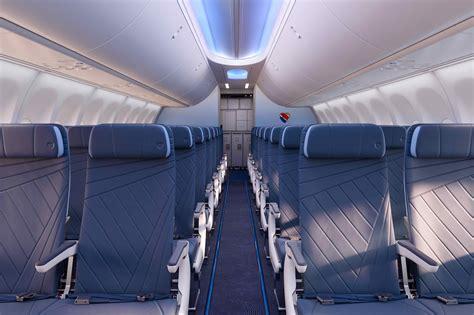
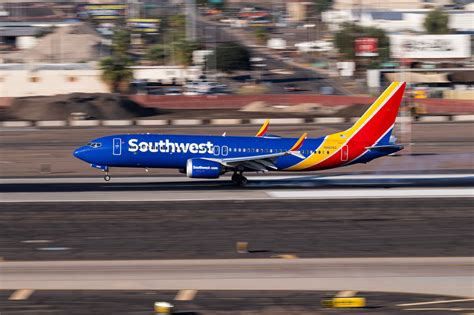
At the heart of Southwest Airlines’ operations is a deeply rooted single-type aircraft strategy — and the Boeing 737 MAX is now its centerpiece. As of 2025, Southwest operates 273 MAX 8s, each configured for all-economy seating with a capacity of 175 passengers. The airline also has 196 more MAX 8s on order, and an additional 314 Boeing 737 MAX 7s pending certification and future delivery. These aircraft are expected to seat around 150 passengers, ideally positioned for thinner routes or smaller markets.
The adoption of the MAX is not simply about capacity — it reflects a deliberate commitment to environmental efficiency. Thanks to the CFM LEAP-1B engines, the aircraft offers a 14% fuel burn reduction compared to previous 737 generations, translating into lower operating costs and reduced emissions. Enhanced aerodynamics, quieter cabins, and superior range performance make the MAX a compelling workhorse in Southwest’s growing portfolio.
Even amid the early controversies surrounding the aircraft’s safety and grounding in 2019, Southwest has remained steadfast. The airline supported rigorous regulatory efforts and resumed operations with confidence, using the MAX to reassert its position as a low-cost, high-frequency leader in the U.S. and beyond.
A Glimpse Ahead: MAX Routes That Define the Future
The ten busiest Boeing 737 MAX routes for Southwest Airlines in 2025 reflect a combination of inter-island connectivity, mainland frequency corridors, and strategic transcontinental links. From Hawaii’s short intra-state hops to medium-haul Southwest staples like Chicago-Phoenix and Denver-Phoenix, the MAX’s adaptability is indisputable. The aircraft’s ability to seamlessly transition between these mission types — short, dense, or long — is what cements it as the linchpin of Southwest’s operational blueprint.
With more MAX aircraft set to enter the fleet and a steady expansion into underserved or high-growth markets, it is evident that Southwest Airlines’ 737 MAXs are not just filling schedules — they are actively shaping the future of domestic air travel in the United States.