Airline systems are the digital backbone of global air travel, shaping everything from the purchase of a ticket to the final boarding call. These complex IT ecosystems evolved from electromechanical roots into expansive networks that manage reservations, pricing, and passenger logistics at scale. As competition among airlines intensified, especially post-deregulation, robust airline systems became indispensable to delivering both operational efficiency and superior customer experience.
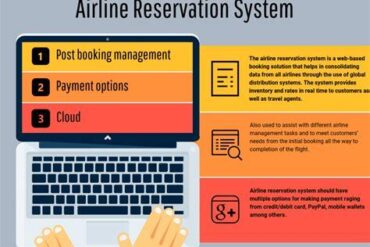
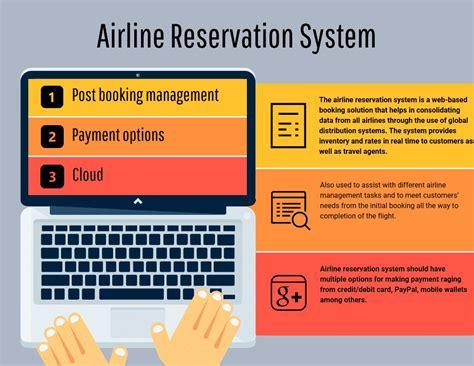
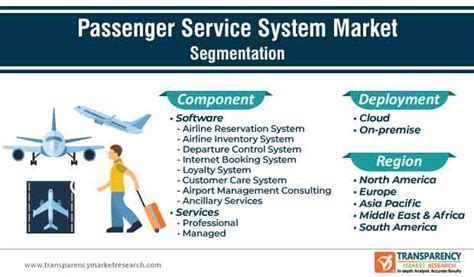
The core of these systems is the Airline Reservation System (ARS), responsible for real-time coordination of flight schedules, fare tariffs, inventory, and ticketing. Over time, ARSs became an integral part of broader Passenger Service Systems (PSS) and Computer Reservation Systems (CRS), which now interface with Global Distribution Systems (GDS) such as Amadeus, Sabre, and Travelport.
Evolution of Airline Reservation Systems
The airline reservation system has traveled a long road since the 1946 introduction of American Airlines’ Reservisor. Initially a modest electromechanical device, it was capable of handling only rudimentary booking operations. With the Magnetronic Reservisor in 1952 and the revolutionary Sabre system by American Airlines in 1964, the industry leaped forward to real-time, computer-driven reservation capabilities. These early systems laid the foundation for the dynamic digital platforms we rely on today.
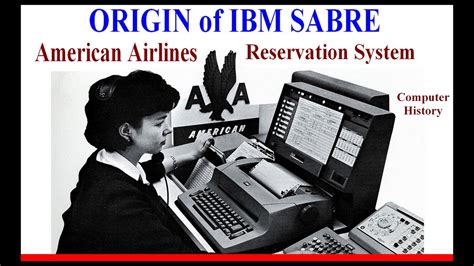
The early ReserVec by Ferranti and United Airlines’ transistor-based system by Evelyn Berezin offered rapid transaction processing that could manage multiple city-based inventories. By the time the Airline Deregulation Act took effect in the U.S., these systems were instrumental in giving airlines the competitive edge needed in an open market.
Architecture of a Modern Airline System
Modern airline systems integrate several mission-critical components:
- Inventory management
- Availability display & reservations (PNR creation)
- Fare quote systems and ticketing platforms
- Departure control systems (DCS)
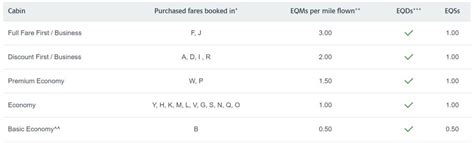
At the core is the inventory system, which manages seat availability across different cabin classes (economy, premium economy, business, and first class) and fare buckets—typically represented by a single letter code. Airlines use these buckets to implement dynamic pricing, opening and closing fare classes based on demand forecasts, seat availability, and competitive pricing pressures.
Seats are not just offered on a first-come basis. Certain portions are strategically held for connecting passengers, loyalty members, or high-priority travelers. Overbooking, a widely misunderstood practice, is cautiously managed via predictive analytics and real-time data flows to minimize denied boarding situations.
How Inventory Connects with Scheduling and Yield Management
Behind the inventory system lies the Flight Schedule Management System, which tracks aircraft rotations, maintenance status, crew assignments, and airport gate slots. This scheduling engine continuously updates seat availability based on aircraft readiness and fleet optimization.
Coupled with this is the Yield Management System, which optimizes profitability by continuously adjusting the allocation of fare classes. This system interacts with the Fare Quote System to present the most profitable combinations to potential buyers based on route, timing, and booking behavior.
Availability Displays and the PNR Lifecycle
When a customer searches for flights—whether on an airline’s website or through a travel agent using a GDS—they engage with the Availability Display, a real-time snapshot of possible itineraries. This display includes direct flights, codeshare partners, and connecting options. Every booking initiated creates a Passenger Name Record (PNR), which stores a structured dataset of:
- Passenger identification
- Flight segments
- Seat assignment
- Special service requests (SSR)
- Payment and ticket information
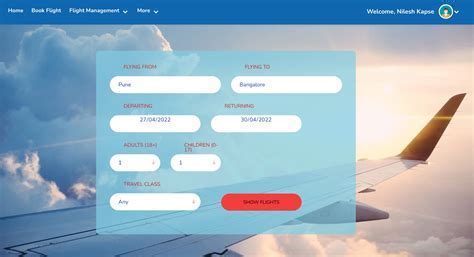
The PNR isn’t just a booking placeholder. It integrates with Customer Relationship Management (CRM) systems, loyalty databases, and operational units like catering, flight operations, and crew scheduling. As the departure nears, the Passenger Name List (PNL) is transmitted to the Departure Control System, preparing for check-in, baggage handling, and gate management.
Post-flight, data from the PNR updates revenue accounting systems, enabling granular analysis of no-shows, rebookings, and go-shows, and contributes to financial reconciliation.
Fare Quote and Ticketing Infrastructure
Fare data is among the most complex and dynamic datasets in airline systems. The Fare Quote System pulls information from:
- Fare tariffs
- Tax tables
- Routing maps
- Fare rules and restrictions (e.g., minimum stay, advance purchase)
Each fare is built upon a Fare Basis Code, a compact representation of conditions attached to a price point. Airlines rely on third-party aggregators such as ATPCO and SITA, as well as direct connects, to distribute these fare rules globally.
Ticketing processes have evolved from paper tickets to nearly universal electronic ticketing (e-tickets). The system also handles Miscellaneous Charges Orders (MCOs) and the more recent Electronic Multipurpose Documents (EMDs), which aim to standardize ancillary services like baggage fees and seat upgrades.
Distribution Channels: Direct and Indirect Booking Ecosystems
Airlines utilize both direct distribution and indirect distribution to sell tickets:
- Direct: Through airline-owned websites, mobile apps, and call centers.
- Indirect: Via Global Distribution Systems (GDS) accessed by travel agents and OTAs.
GDS platforms such as Amadeus, Sabre, and Travelport serve as intermediaries that consolidate inventory from multiple carriers. Some regional GDS include:
- Abacus (Asia)
- Travelsky (China)
- ORS (Russia)
- Infini (Japan, hosted within Sabre)
- Axess (Japan, migrating to Worldspan)
- Topas (South Korea, migrating to Amadeus)
These systems communicate using standardized messaging formats over SITA’s High-Level Network (HLN). Type A messages (typically EDIFACT) handle real-time transactional communication, while Type B messages (TTY) transmit informational content.
Notable Airline System Vendors and Platforms
Numerous vendors now offer off-the-shelf or customizable PSS solutions, supporting full airline operations:
- Altéa Suite (Amadeus) – Common platform for major full-service carriers
- Navitaire New Skies – Popular among low-cost carriers
- Radixx (Sabre) – Modular system for emerging market airlines
- amelia RES (InteliSys Aviation) – Agile platform used by regional operators
- SITA Horizon – Inventory and reservations suite used globally
- Crane PAX (Hitit) – Turkish-developed system with scalable architecture
- AirCore (Unisys) – Used by carriers needing mainframe-class stability
- ACCELaero, VRS, Travel Technology Interactive – Diverse use cases
These platforms support ticket-less travel, hybrid models, and are designed to integrate with loyalty platforms, mobile interfaces, and ancillary service merchandising tools.
The Future: Toward Open Architecture and Personalized Travel
Airline systems are evolving toward modular, cloud-native architectures built on open APIs, enabling airlines to personalize offerings and enhance interconnectivity. IATA’s New Distribution Capability (NDC) is a key enabler, breaking legacy GDS constraints and enabling dynamic offer creation directly through airline-owned channels.
As airlines seek to own more of the customer journey, system integrations with AI-driven CRM, real-time personalization engines, and predictive analytics are becoming standard. This shift will not only enhance merchandising capabilities but also transform how customers interact with airlines—from shopping to disruption management.
Despite high capital investment, the shift to modern, scalable platforms will drive the next decade of aviation growth. The global airline ecosystem is no longer just about transporting passengers but delivering digitally empowered, customer-centric experiences, underpinned by advanced reservation systems.