United Airlines is preparing to temporarily pause key digital operations as it executes a carefully planned technology upgrade that will take its core reservation system offline during the early hours of Wednesday, February 4. The scheduled outage, while limited in duration, represents a significant milestone in the airline’s long-running effort to modernize its technology backbone and reduce operational fragility at scale.
The Chicago-based carrier confirmed that its online reservation system will be unavailable between 2:30 a.m. and 6:00 a.m. EDT, a window chosen to minimize disruption across its vast domestic and international network. During that period, customers and employees alike will lose access to several essential tools, including flight bookings, itinerary changes, check-in services, and “Manage My Booking” functionality across both the website and mobile app.
United has urged passengers traveling around the affected timeframe to check in on Tuesday and closely monitor flight details in advance. The airline has emphasized that this outage is planned, rehearsed, and tightly controlled, positioning it as a proactive investment rather than a reactive fix.
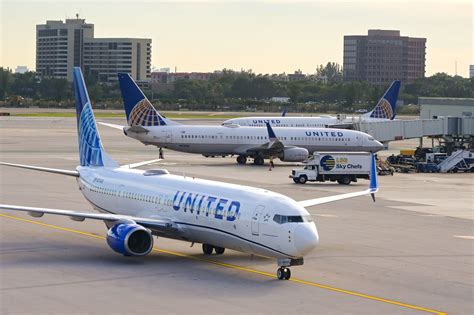
Why United Airlines Is Taking Its Reservation System Offline
At the center of the outage is SHARES, United’s long-standing mainframe-based reservation platform inherited from Continental Airlines following the 2012 merger. While SHARES has proven durable, it was designed for a different era of airline operations, long before real-time mobile rebooking, large-scale disruption management, and cloud-native resilience became non-negotiable.
This upgrade involves migrating critical reservation data from United’s data center in North Carolina to its advanced technology hub in Chicago, aligning the system with the airline’s broader transition to Amazon Web Services (AWS). By shifting toward cloud-based infrastructure, United aims to improve system reliability, scalability, and recovery speed during irregular operations, an area where airline technology failures have historically had outsized consequences.
The airline has spent months rehearsing the migration process internally, running simulations designed to expose failure points before the live cutover. According to reporting cited by CBS News, these rehearsals are intended to ensure teams across operations, customer service, and IT are synchronized during the outage window.
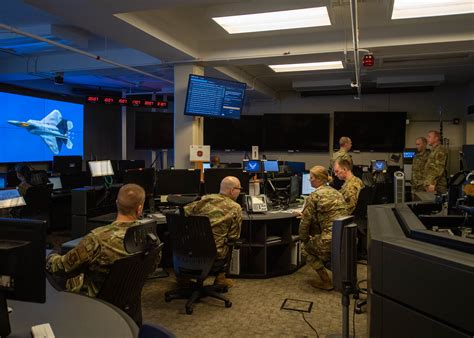
What Services Will Be Unavailable During the Outage
During the four-hour shutdown, customers will be unable to book new flights, modify existing reservations, cancel itineraries, or complete check-in through United’s digital channels. Even viewing reservation details will be restricted, a reality that underscores how deeply integrated SHARES remains across United’s operational ecosystem.
To create the right conditions for the migration, United has preemptively canceled approximately 600 domestic flights, primarily affecting early-morning departures. Many of these flights have been rescheduled to depart around 8:40 a.m. EDT, once the system is expected to be fully restored and stabilized.
International flights and red-eye services are expected to operate normally, a strategic decision reflecting both their lower dependence on same-day domestic rebooking and their importance to network continuity. Codeshare flights operated by partner airlines will also remain unaffected, as they rely on separate reservation systems.
Could This Planned Outage Still Cause Delays?
United’s leadership has been careful not to overpromise. While the airline has taken extensive precautions, technology migrations of this magnitude carry inherent risk. A failure during the cutover could trigger cascading delays, cancellations, or prolonged system instability until the upgraded platform is fully operational and verified.
That said, the airline’s proactive cancellations and rehearsed execution suggest a disciplined approach shaped by hard-earned industry lessons. Major carriers across the globe have suffered reputational damage from poorly managed IT transitions, and United appears intent on avoiding that fate through conservative planning and transparent communication.
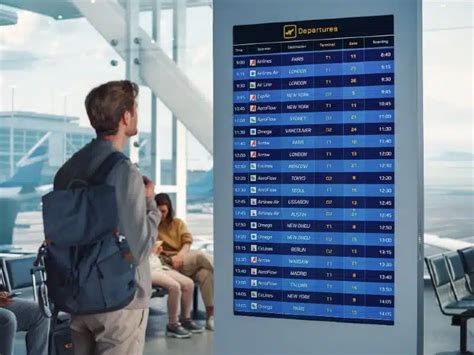
A Strategic Upgrade for the World’s Largest Airline by Fleet Size
United Airlines operates more than 1,000 mainline aircraft across hubs in Chicago, Denver, Houston, Newark, San Francisco, Los Angeles, Washington Dulles, and Guam. Managing that scale demands technology capable of handling millions of daily data transactions without faltering, particularly during weather disruptions or air traffic constraints.
Founded in 1926 as Varney Air Lines, United has evolved into a founding member of the Star Alliance and one of the most operationally complex airlines in the world. This system upgrade is not merely about convenience; it is about aligning digital infrastructure with the airline’s size, ambition, and long-term reliability goals.
Once the migration is complete, customers should see no functional difference in how they book or manage travel. The real gains will surface behind the scenes, where improved system resilience can translate into faster recovery during disruptions and more consistent service during peak demand. In the modern airline industry, invisible reliability is often the most valuable upgrade of all.