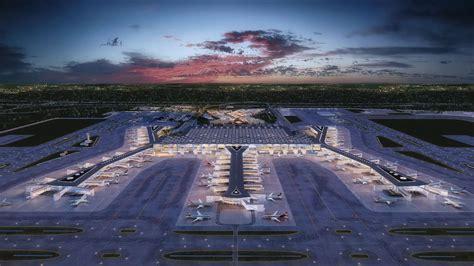
Located on the European side of Turkey’s most populous city, Istanbul Airport (IST) has emerged as one of the most ambitious and technologically advanced aviation projects of the 21st century. With a strategic vision to transform Turkey into a global transportation hub, this airport symbolizes not just infrastructural grandeur but also geopolitical ambition. Opened ceremonially on 29 October 2018, and fully operational as of 6 April 2019, the airport is redefining international air travel in both scale and sophistication.
The Urgency Behind a Mega-Airport
The decision to build Istanbul Airport stemmed from a practical crisis in air capacity. By 2017, Atatürk Airport and Sabiha Gökçen Airport had exceeded their combined designed limits, hosting over 100 million passengers annually. With Turkey’s flag carrier, Turkish Airlines, aggressively expanding its network, a new facility became a necessity rather than a luxury.
The site chosen—7,600 hectares near Lake Terkos, approximately 35 kilometers northwest of the old Atatürk Airport—was selected for its vast space and potential for phased growth. Notably, this land was formerly used for open-pit coal mining, requiring considerable environmental intervention to make it fit for one of the world’s largest airports.
Environmental Cost and Controversy
Despite the vision, the project has not escaped criticism. The initial Environmental Impact Assessment (EIA) was suspended by court order in early 2014 due to serious concerns. Though this ruling was later overturned, environmental activists and ecologists raised alarms over the ecological footprint. Over 2.5 million trees were affected, with 657,950 cut and 1.85 million reportedly relocated.
Further compounding the issue is the airport’s carbon footprint, which became the second-highest in Turkey by 2023, producing approximately 9.5 million tonnes of CO₂ annually. This underscores the tension between development and sustainability in mega-infrastructure projects.
Engineering Feat: From Vision to Reality
Conceived in four construction phases, Istanbul Airport is slated to reach a staggering annual capacity of 200 million passengers by 2027. The design process brought together top-tier global firms, including Grimshaw Architects, Nordic Office of Architecture, and Haptic Architects, with implementation handled by Scott Brownrigg and Turkish contractors.
The initial contract—a €26.14 billion, 25-year lease agreement—was awarded to a consortium of major Turkish firms: Cengiz, Kolin, Limak, Mapa, and Kalyon. Groundbreaking occurred on 7 June 2014, and the first test landing took place on 20 June 2018.
Four Phases of Aviation Mastery
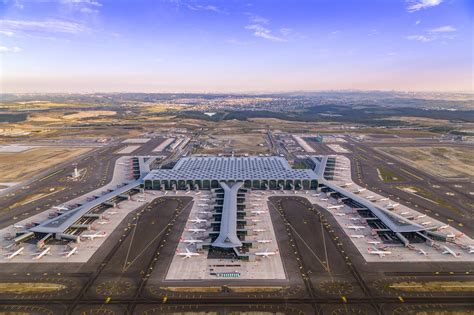
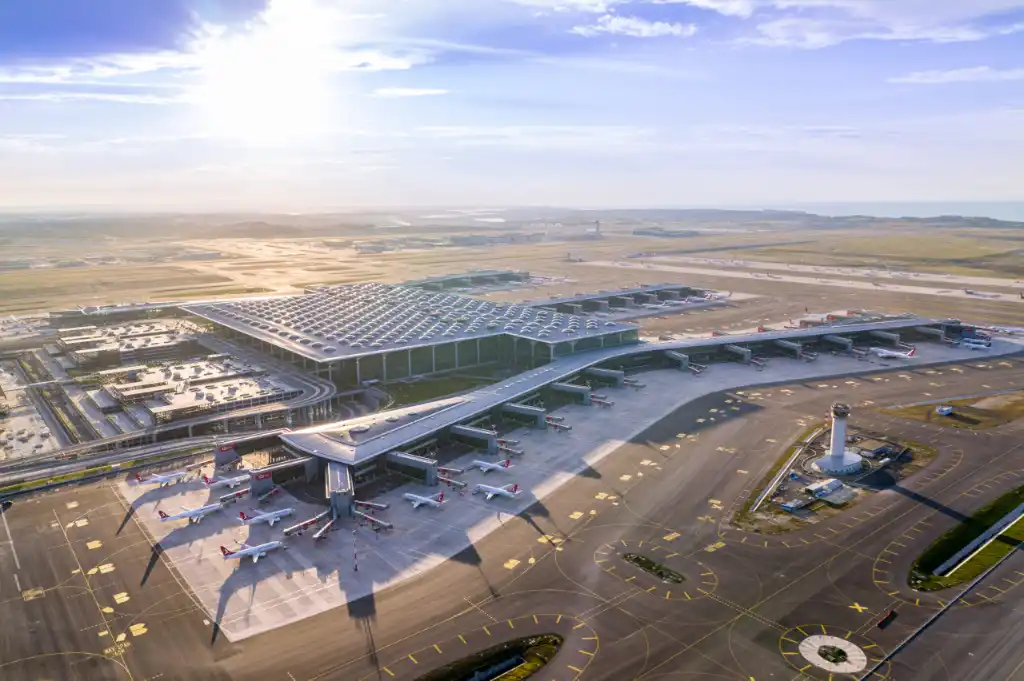
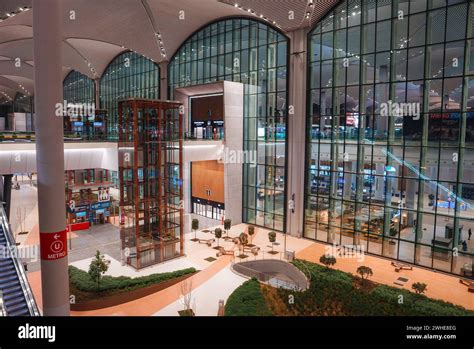
The project’s scale is unmatched in modern aviation. The first phase introduced a 1.44 million m² main terminal, capable of handling 90 million passengers, supported by two runway pairs, eight taxiways, 143 boarding bridges, a 12,000-space car park, and comprehensive technical and hospitality infrastructure.
The second phase brought two more runways and expanded apron space, allowing simultaneous landing and takeoff operations. The third phase will add a second terminal covering 960,000 m² with an additional 60 million capacity, while the final phase includes satellite terminals and a sixth runway.
Operations: A Seamless Transition
On 31 October 2018, flight TK2124 to Ankara marked the official beginning of operations. A complete shift occurred on 6 April 2019, during which over 10,000 pieces of equipment were transferred overnight from Atatürk Airport. Simultaneously, IST became the new IATA code for Istanbul’s main air hub.
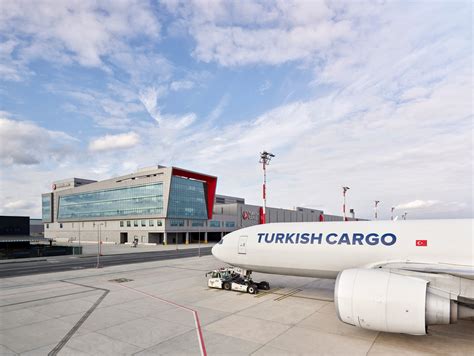
Turkish Cargo, among the world’s fastest-growing freight carriers, completed its transition by February 2022, solidifying Istanbul Airport as a pivotal logistics node linking Europe, Asia, and Africa.
Facilities: Beyond Passenger Expectation
From runway design to spiritual sanctuaries, the airport offers an immersive experience. It operates five runways: two 4,100 meters, two 3,750 meters, and one 3,060 meters, all made of asphalt.
The concourses are efficiently designated: A, B, D, and F handle international traffic, while Concourse G is reserved for domestic flights. A total of 143 boarding bridges minimize ground time, and the airport boasts over 9,000 CCTV cameras, perimeter radar systems, and 3,500 security personnel, reinforcing its status as one of the most secure aviation spaces globally.
Among its architectural landmarks is the Ali Kuşçu Mosque, accommodating 6,000 worshippers. Notably, it is the first LEED Gold–certified mosque in the world, blending Islamic tradition with eco-conscious design.

Connectivity: Linking the Global to the Local
In 2024, Istanbul Airport recorded nearly 80 million passengers, including 63 million international travelers, 517,285 aircraft movements, and over 1.9 million tonnes of cargo.
A critical enabler of this performance is its expanding connectivity:
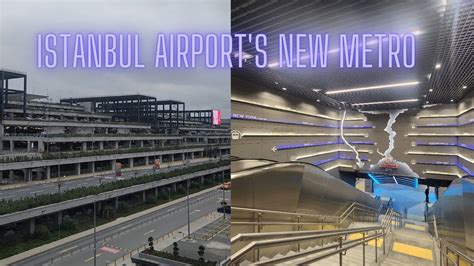
- Metro (M11 Line): Operational since January 2023, connecting Arnavutköy to Gayrettepe, with further extensions to Halkalı underway.
- Road Access: Integrated with O-7 motorway and D.020 highway, providing fluid car access. A fleet of IETT and Havaist buses, along with official airport taxis, enable access to the city center in under an hour.
- Rail (Planned): A mainline rail link via the Yavuz Sultan Selim Bridge is under development, though currently delayed.
Safety and Labor Disputes
One of the most contentious aspects of the airport’s construction has been worker safety. Officially, 27 deaths were recorded, though independent investigations suggest over 400 fatalities. The British press and human rights organizations have scrutinized these figures, reporting protests about living conditions, long commutes, and lack of oversight.
This has led to a broader conversation about labor standards in mega-projects, particularly in emerging economies that rely on rapid construction to assert global competitiveness. Despite the scale and grandeur, ethical oversight remains a shadow over the airport’s reputation.
A Continental Nexus and Geopolitical Pivot
Strategically nestled at the intersection of Europe and Asia, Istanbul Airport is more than a logistical center—it is a geopolitical statement. It supports over 300 destinations across 5 continents, making it the most connected airport in Europe in terms of direct flight destinations.
This geographic leverage enhances Istanbul’s role in global diplomacy, trade, tourism, and culture. By empowering Turkish Airlines to pursue its aggressive network growth, Istanbul Airport indirectly promotes Turkish soft power, projecting influence far beyond its borders.
Conclusion: A Vision That Keeps Evolving
Istanbul Airport is not merely an aviation hub—it is a monument to modern Turkey’s ambition, a feat of engineering, and a magnet for global transit. While it faces criticism on environmental and labor grounds, its operational brilliance, strategic location, and future potential are undeniable.
With future expansions already in motion and capacity targets aimed at rivaling Atlanta, Beijing, and Dubai, Istanbul Airport is poised to remain a central pillar in global aviation for decades to come.