The aerial link between the United States and the Middle East stands as a vital artery in modern global aviation, both in terms of capacity and strategic significance. This transcontinental corridor, teeming with demand from business, tourism, and diaspora communities, is served by some of the world’s most powerful airline brands deploying their most capable long-haul aircraft. With over 3,000 scheduled non-stop flights this month alone—providing close to 1 million seats and more than 7 billion available seat miles (ASMs)—the sheer scale of operations between these two regions reflects their intertwined economic and geopolitical relevance.
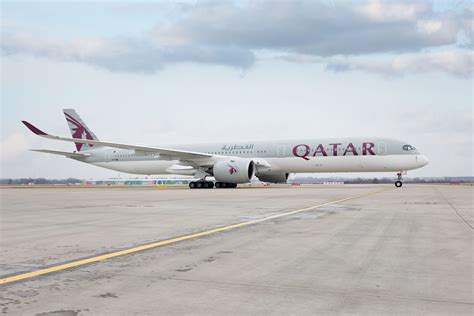
In this dynamic network, the Middle Eastern Big Three—Qatar Airways, Emirates, and Etihad Airways—reign supreme. Leading the charge is Qatar Airways, with a commanding 866 scheduled flights, a testament to its deep investment in the US market. The airline strategically splits its fleet across the Airbus A350 and Boeing 777 families, with flagship routes such as Doha to New York JFK, operated up to three times daily, and Dallas/Fort Worth, served twice daily, reinforcing its commitment to key American gateways.
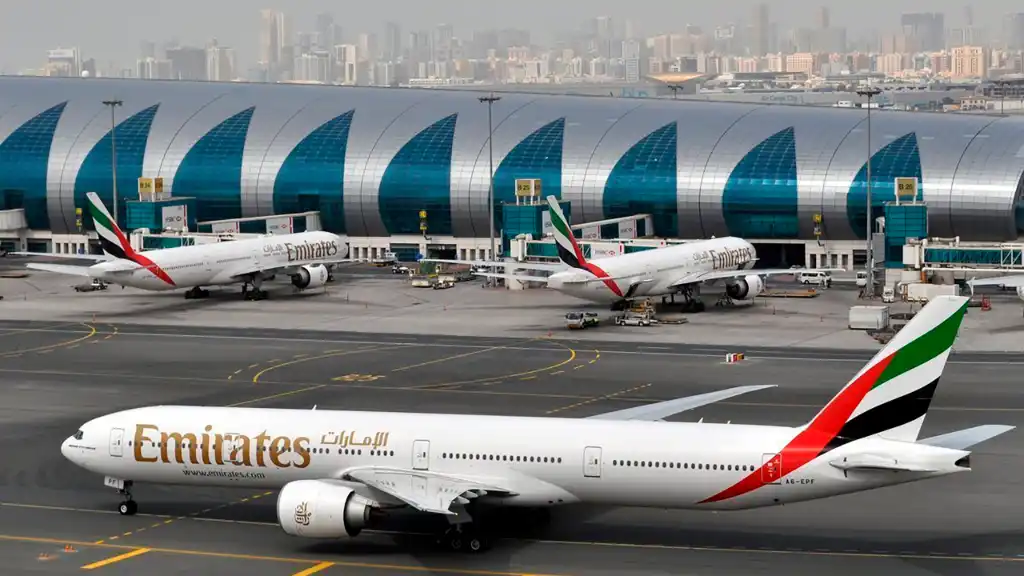
Not far behind, Emirates delivers the highest seat count despite scheduling fewer flights—704 this month—thanks to its widespread deployment of the double-decker Airbus A380, an aircraft that defines luxury in the skies. The Dubai-based carrier enhances its product offering with premium economy across its US routes, a move that blurs the line between comfort and exclusivity. With twice-daily non-stops to JFK, Emirates has firmly entrenched itself in the US premium travel market.
Completing the trio is Etihad Airways, operating 360 flights equally split between its Boeing 787-9 Dreamliner and the ultra-modern Airbus A350-1000. Abu Dhabi to JFK emerges as its strongest link, offering two daily rotations that position it as a premium alternative to its regional peers. The precision of this balanced fleet strategy demonstrates Etihad’s intent to serve the US market with both reach and refinement.
While the Middle Eastern giants dominate, the US Big Three—United Airlines, Delta Air Lines, and American Airlines—maintain a relatively subdued presence. Among them, United Airlines is the most active, fielding 238 scheduled flights, primarily leveraging its versatile Boeing 787 Dreamliner and a smaller contingent of Boeing 777s. Its focus is clearly oriented toward Tel Aviv, which sees twice-daily service from Newark, supplemented by a daily link to Dubai International Airport.
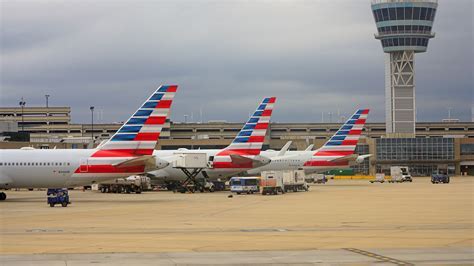
Delta Air Lines and American Airlines, meanwhile, keep lean footprints in the region. Delta’s sole Middle Eastern destination, Tel Aviv, is served from New York JFK using the fuel-efficient Airbus A330-900neo. A modest operation, Delta nonetheless maintains a respectable presence with an occasional second rotation. On the other hand, American Airlines has realigned its strategy, operating a single daily route from Philadelphia to Doha with its Boeing 787-9 Dreamliner, a shift prompted by the dissolution of its Northeast Alliance with JetBlue. This tactical move connects seamlessly with Qatar Airways’ broader regional network, reflecting American’s pivot toward alliance-driven connectivity.
Beyond the dominant players, notable contributions come from other regional and national carriers. El Al Israel Airlines operates 356 flights, nearly matching Etihad, and relies heavily on its Boeing 787 fleet. Its primary route between Tel Aviv and JFK can see up to four daily flights, depending on the day, underscoring a strong point-to-point market driven by community and commerce.
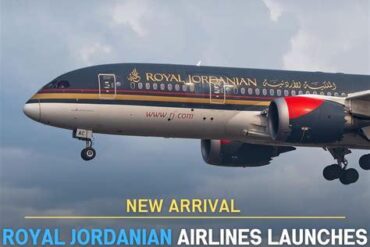
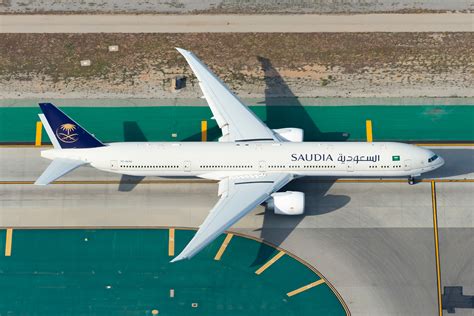
Saudia, the Kingdom of Saudi Arabia’s national carrier, operates 132 flights, all using the workhorse Boeing 777-300ER, from hubs in Jeddah and Riyadh to Los Angeles, JFK, and Washington D.C.. This reflects a deliberate effort to connect key Saudi cities with major American economic and political centers. Meanwhile, Royal Jordanian plays a niche but strategic role with 112 Dreamliner-operated flights, primarily linking Amman to Chicago O’Hare, a route that sees five weekly frequencies. The carrier’s focus on Chicago highlights a long-standing transatlantic partnership rooted in connectivity for the Levantine diaspora.
Taken as a whole, the air corridor between the United States and the Middle East is a tapestry woven with ambition, technology, and global demand. From the cavernous upper decks of Emirates’ A380s to the sleek efficiency of United’s Dreamliners, each airline plays a distinctive role in sustaining one of the most competitive long-haul markets in global aviation. The strategic deployment of next-generation aircraft, paired with refined onboard experiences and frequent schedules, ensures that this connection will remain a centerpiece of international air travel well into the future.