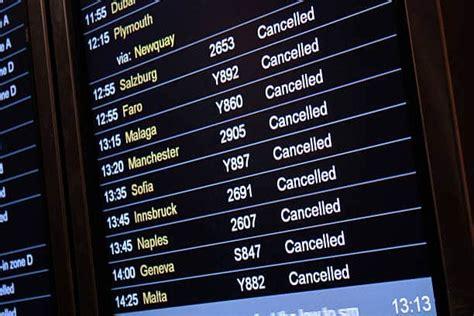
In June 2025, a wave of unexpected US-Europe flight cancellations left passengers reeling as airlines grappled with operational constraints, fluctuating demand, and delayed aircraft deliveries. With several transatlantic routes suspended or permanently discontinued, travelers were left questioning the stability of their travel plans. From the cancellation of high-profile services like LOT Polish Airlines’ Budapest-New York JFK route to the removal of seasonal flights like KLM’s Amsterdam-Miami, the ripple effects of these cancellations were felt across the aviation industry.
Key US-Europe Flights Canceled
Several high-traffic routes were impacted by these cancellations, significantly altering flight options for passengers. Notably, these affected routes were linked to fleet availability issues, temporary seasonal demand adjustments, and ongoing airline operational challenges. Some of the most prominent flight cancellations included:
- Budapest – New York JFK (LOT Polish Airlines, Boeing 787-8): Originally planned as a charter service to accommodate short-term demand, this flight was discontinued in 2022, and no future plans for its return are in sight.
- Amsterdam – Miami (KLM, Boeing 777-200ER): Part of KLM’s seasonal route suspension strategy, this flight was expected to continue into the spring of 2025, but was ultimately canceled due to ongoing operational adjustments and a shift in demand.
- Athens – New York JFK (Arkia Israeli Airlines, Airbus A330): Arkia rerouted its Tel Aviv-New York services through Athens, but with new aircraft lease agreements in place, this temporary route was also canceled.
- Nice – Los Angeles (Air France, Airbus A350-900): Catering to niche demand from high-profile events like the Monaco Grand Prix and Cannes Film Festival, this flight, a seasonal charter, was never intended for long-term operation and was subsequently canceled.
- Paris Charles de Gaulle – Miami (American Airlines, Boeing 787-8/777-200ER): This route was significantly impacted by American Airlines’ ongoing Boeing 787 delays, leading to further operational difficulties.
- Frankfurt – Dallas-Fort Worth (American Airlines, Boeing 787-8/777-200ER): Similar to the Paris route, operational constraints resulting from Boeing 787 delivery delays forced American Airlines to cancel the Frankfurt service.
- Manchester – Melbourne-Orlando (TUI Airways, Boeing 787-9): TUI Airways will remove Manchester from its Melbourne-Orlando schedule in 2025, consolidating the service to other UK cities.
Factors Behind Flight Cancellations
Several key factors contributed to the disruption of these vital transatlantic routes. Primarily, the operational constraints faced by airlines, including fleet shortages and shifting demand, have forced airlines to make difficult decisions regarding which routes to maintain.
Airline Operational Restrictions
One major factor driving these cancellations is the ongoing struggle airlines face in balancing fleet availability with seasonal demand. As airlines adjust their flight schedules based on fluctuating travel demand, routes that no longer meet operational feasibility tend to be suspended. This is particularly common with flights that face low passenger numbers during the offseason, as airlines reduce operations during these periods to cut costs. For instance, KLM’s Amsterdam-Miami route is a prime example of this seasonal suspension strategy.
In addition, temporary charter flights, such as Air France’s Nice-Los Angeles service, which were designed to cater to short-term demand for high-profile events, are always set to conclude once demand peaks. These seasonal services are not meant to last long-term and have no permanent place in the airline’s network.
American Airlines’ 787 Issues
One of the most significant contributors to these cancellations has been the ongoing issues with American Airlines’ Boeing 787 fleet. Delays in receiving new aircraft have caused a shortage of available Dreamliners, which are crucial for long-haul, high-demand routes. The Paris and Frankfurt routes, both impacted by this issue, reflect the strain American Airlines has felt as it works to manage its transatlantic operations.
These Boeing 787 delays have had a cascading effect on the airline’s ability to service critical routes across the Atlantic. As a result, American Airlines has had to make operational adjustments, including canceling routes that rely heavily on the Dreamliner’s advanced technology.
How Airlines Are Managing Operational Changes
In response to these disruptions, airlines have had to adapt their strategies and adjust their flight schedules. Many carriers use a combination of fleet optimization and seasonal route suspension to ensure they remain profitable during challenging periods.
KLM’s seasonal adjustments are an excellent example of this flexibility, as the airline suspends certain flights during off-peak months, only to reinstate them when demand picks up again. Other airlines, such as Air France, use temporary charter services to meet specific demand from major events like the Cannes Film Festival or Monaco Grand Prix, ensuring their planes are used efficiently without locking in long-term operational commitments.
Airlines are also managing fleet availability more strategically. As aircraft leases and maintenance schedules play a major role in determining which routes are serviced, airline decision-makers must weigh the potential of each flight against the resources available. This dynamic approach ensures that airlines remain agile in the face of ever-changing market conditions.
The Future of US-Europe Flights
As evidenced by the June cancellations, the future of US-Europe flights remains unpredictable. While these recent disruptions are based on immediate operational challenges, travelers should expect more fluctuations in schedules as the airline industry continues to recover from pandemic-related disruptions, supply chain issues, and aircraft delivery delays.
Passengers planning trips across the Atlantic are advised to remain flexible and keep a close eye on flight status updates, particularly during peak travel seasons. With airlines continuing to adapt to the fluctuating demands of the market, changes to routes and schedules are inevitable.
Despite these challenges, airlines remain committed to offering transatlantic travel options that balance profitability with customer satisfaction. However, travelers must be prepared for sudden shifts in their travel plans as airlines adjust to new realities.
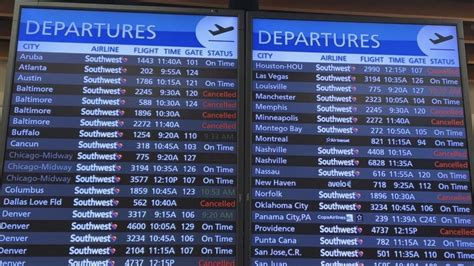
While the summer months may experience fewer disruptions, the ongoing delays in aircraft deliveries, especially the Boeing 787 issues, indicate that the road to stability in transatlantic travel may be a longer one than expected. Travelers planning US-Europe flights in the months ahead should be aware of the potential for more cancellations or schedule changes, especially if their flight relies on one of the airlines facing fleet issues.
In conclusion, June 2025’s flight cancellations highlight the unpredictable nature of the airline industry as it grapples with fleet constraints, shifting demand patterns, and the consequences of delayed aircraft deliveries. Travelers should stay informed, remain flexible, and consider alternative travel plans to minimize the impact of these cancellations on their travel experience.