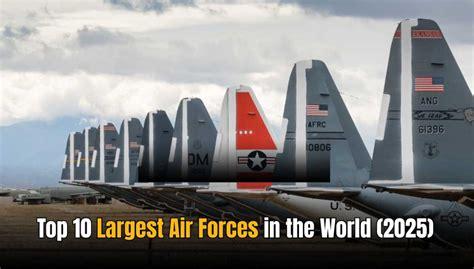
In 2025, air power remains a critical pillar of military strategy. The number, type, and capability of a nation’s aircraft are fundamental indicators of its defense strength. While raw aircraft count offers a general overview, a deeper analysis reveals the true balance of global air supremacy. This article explores the largest air forces in the world in 2025, their compositions, and how these fleets reflect strategic and technological priorities.
What Determines the Size of an Air Force?
Air force size is traditionally measured by total military aircraft across all branches: air force, army aviation, navy air wings, marine corps aviation, and in some cases, space forces. But it’s not just about quantity. Factors such as aircraft type, readiness, training infrastructure, and technological advancement also weigh heavily on effectiveness. Some fleets emphasize fighter jets, while others are dominated by helicopters, transports, or trainers.
Top 5 Largest Air Forces in the World (2025)
1. United States – 14,486 Aircraft
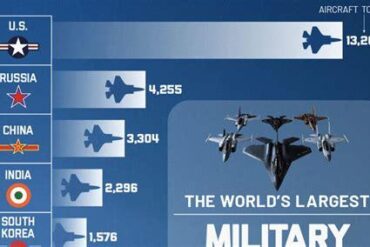
The United States continues to hold air dominance by a staggering margin. With 14,486 military aircraft spread across multiple branches, the U.S. has unmatched reach, precision, and firepower.
Breakdown of U.S. Air Assets:
| Branch | Aircraft Count |
|---|---|
| U.S. Air Force | 5,057 |
| U.S. Army Aviation | 5,714 |
| U.S. Navy | 2,438 |
| U.S. Marine Corps | 1,277 |
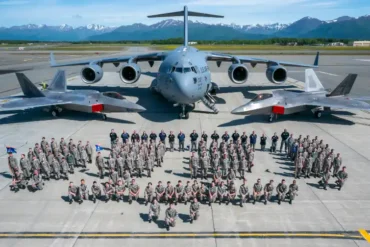
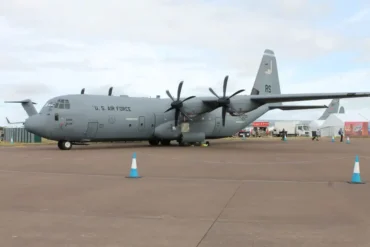
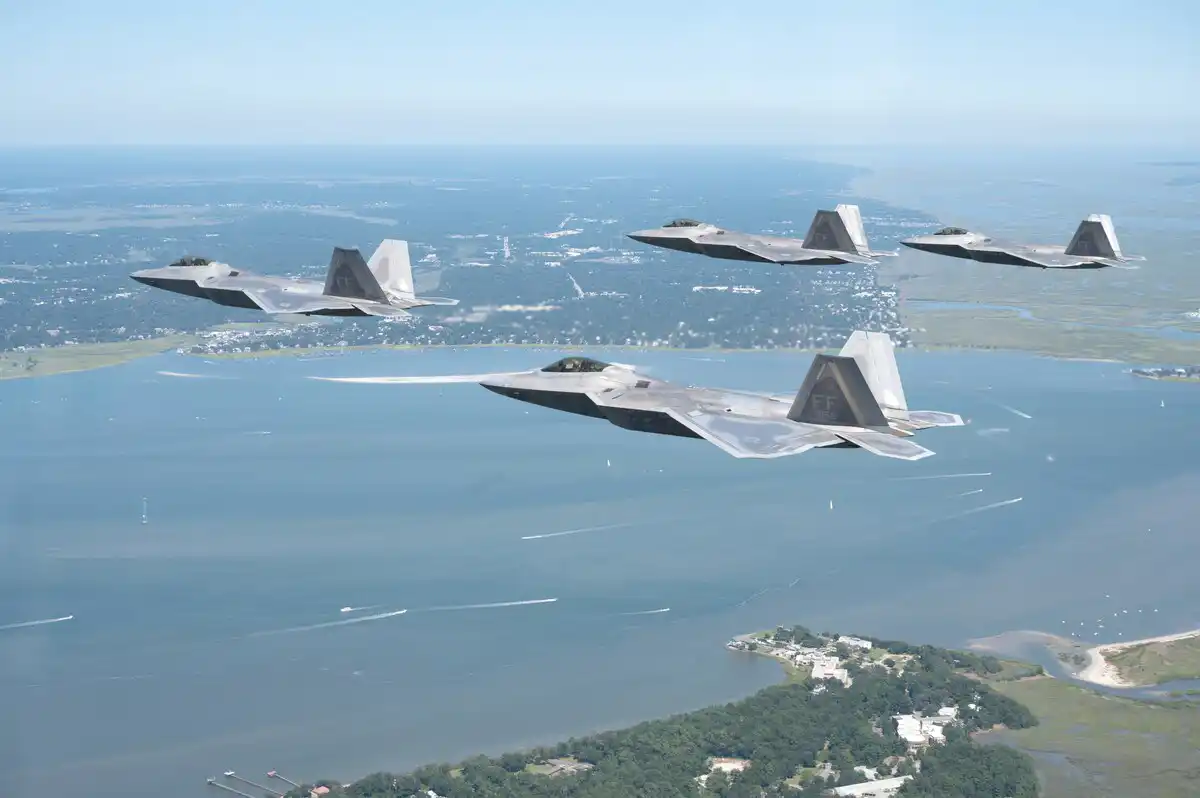
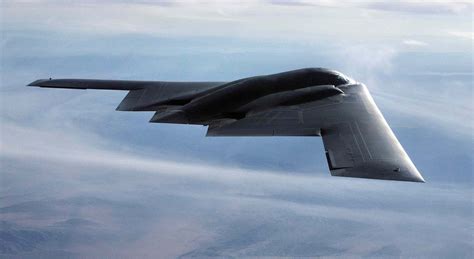
Notably, the USAF alone possesses over 2,700 combat aircraft, including the F-22 Raptor, F-35 Lightning II, and B-2 Spirit stealth bombers. Helicopters such as the AH-64 Apache and UH-60 Black Hawk dominate Army Aviation. The Navy deploys carrier-based air wings, including the F/A-18 Super Hornet, while the Marine Corps emphasizes close air support and expeditionary airpower.
2. Russia – 4,211 Aircraft
Despite economic challenges, Russia maintains a formidable air arsenal with 4,211 military aircraft, making it the second largest air force globally.
Russian Air Force Assets:
- 3,908 aircraft within the Air Force
- Emphasis on fighter-bomber roles, long-range bombers, and strategic air defense
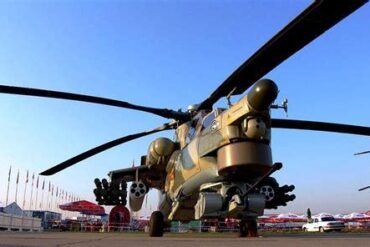
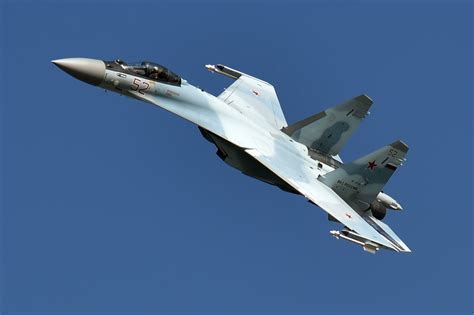
Key platforms include the Su-35, MiG-31, and Tu-160 Blackjack bombers. Russia’s strength lies in its massive fleet of Sukhoi and Mikoyan jets, developed for both defense and deep-strike capabilities.
3. China – 3,304 Aircraft
China is rapidly emerging as a dominant air power with a combined fleet of 3,304 military aircraft.
Breakdown:
| Branch | Aircraft Count |
|---|---|
| People’s Liberation Army Air Force (PLAAF) | 2,010 |
| Army Aviation | 859 |
| Naval Aviation | 435 |
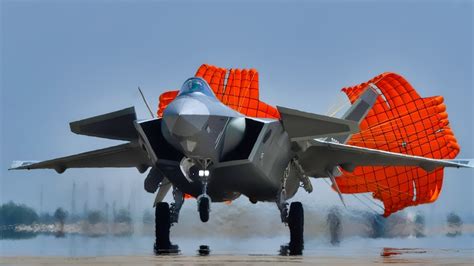
China has made aggressive strides in modernizing its fleet. The development of the Chengdu J-20 stealth fighter, Y-20 strategic transport, and Z-10 attack helicopter showcases its intent to challenge American and Russian air dominance.
4. India – 2,296 Aircraft
India possesses 2,296 military aircraft, primarily under the Indian Air Force (IAF), which has invested heavily in modernization and multirole capability.
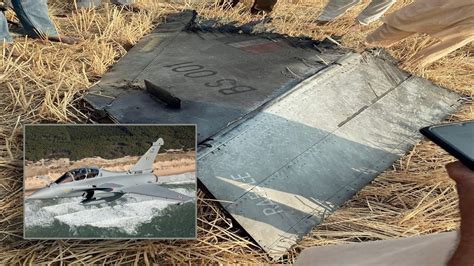
Key aircraft include the Su-30MKI, Rafale, Tejas LCA, and a growing fleet of combat helicopters and UAVs. India’s air doctrine emphasizes regional air superiority, mountain warfare, and strategic deterrence.
5. Japan – 1,459 Aircraft
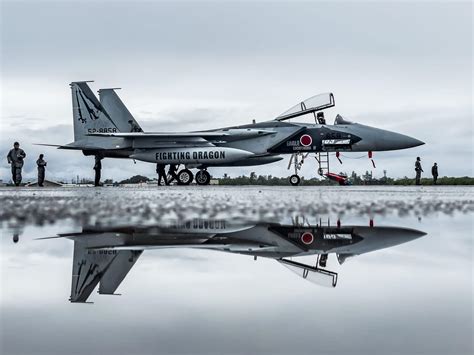
Japan’s Air Self-Defense Force (JASDF) operates 1,459 aircraft, focusing on airspace protection, maritime defense, and quick reaction capability. Its air fleet includes:
- Over 200 F-15J Eagles
- An expanding fleet of F-35A and F-35B stealth fighters
- Strong AEW\&C and ISR capability
Japan’s strategic focus on homeland defense and regional threats—particularly from North Korea and China—drives its advanced and efficient air posture.
Countries with Expanding Air Power
Beyond the top five, several other nations are rapidly enhancing their air capabilities:
Pakistan – 1,434 Aircraft
With heavy Chinese support, Pakistan fields a growing fleet of JF-17s, F-16s, and a robust helicopter force. The Pakistan Air Force focuses on deterrence and counterinsurgency.
South Korea – 1,171 Aircraft
South Korea has invested in indigenous platforms, such as the KF-21 Boramae, and fields hundreds of F-15Ks and F-16s. The Korean Air Force is well-positioned for high-readiness regional conflict.
Egypt – 1,080 Aircraft
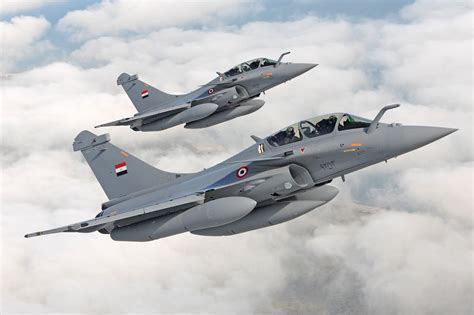
Egypt has diversified its fleet, procuring from Russia, France, and the U.S.—including Rafales, MiG-29s, and F-16s—to strengthen its presence in the Middle East and North Africa.
Turkey – 1,069 Aircraft
Turkey operates a mixed fleet of F-16s, indigenous UAVs, and rotary-wing platforms. Its investments in drone warfare and defense exports are reshaping regional dynamics.
France – 972 Aircraft
The French Air and Space Force retains global projection capability with Rafale multirole fighters, A400M transport aircraft, and nuclear-capable platforms.
Top 25 Air Forces by Aircraft Count (2025)
| Rank | Country | Total Military Aircraft |
|---|---|---|
| 1 | United States | 14,486 |
| 2 | Russia | 4,211 |
| 3 | China | 3,304 |
| 4 | India | 2,296 |
| 5 | Japan | 1,459 |
| 6 | Pakistan | 1,434 |
| 7 | South Korea | 1,171 |
| 8 | Egypt | 1,080 |
| 9 | Turkey | 1,069 |
| 10 | France | 972 |
| 11 | North Korea | 951 |
| 12 | Saudi Arabia | 914 |
| 13 | Italy | 800 |
| 14 | Taiwan | 750 |
| 15 | United Kingdom | 664 |
| 16 | Greece | 632 |
| 17 | Brazil | 628 |
| 18 | Germany | 618 |
| 19 | Israel | 612 |
| 20 | Algeria | 605 |
| 21 | UAE | 560 |
| 22 | Iran | 551 |
| 23 | Spain | 513 |
| 24 | Thailand | 501 |
| 25 | Indonesia | 474 |
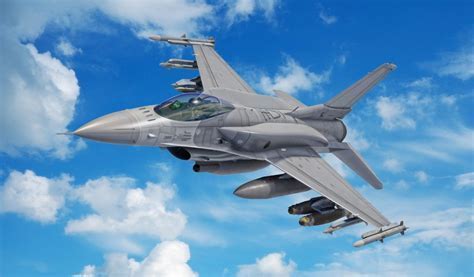
The Real Power Behind the Numbers: TvR Rating
Total numbers can be misleading. The TrueValue Rating (TvR) developed by the World Directory of Modern Military Aircraft (WDMMA) offers a deeper look, factoring in:
- Aircraft type and role
- Technological sophistication
- Fleet condition
- Operational readiness
Top Air Forces by TvR (2025)
| Rank | Military Branch | TvR Rating |
|---|---|---|
| 1 | United States Air Force | 242.9 |
| 2 | U.S. Navy | 142.4 |
| 3 | Russian Air Force | 114.2 |
| 4 | U.S. Army Aviation | 112.6 |
| 5 | U.S. Marine Corps | 85.3 |
| 6 | Indian Air Force | 69.4 |
| 7 | China PLAAF | 63.8 |
| 8 | Japan JASDF | 58.1 |
| 9 | Israeli Air Force | 58.0 |
| 10 | French Air Force | 56.3 |
This metric shows the United States not only leads in numbers but also in fleet quality, followed by a considerable drop-off to Russia, China, and India.
The Rise of the Space Force
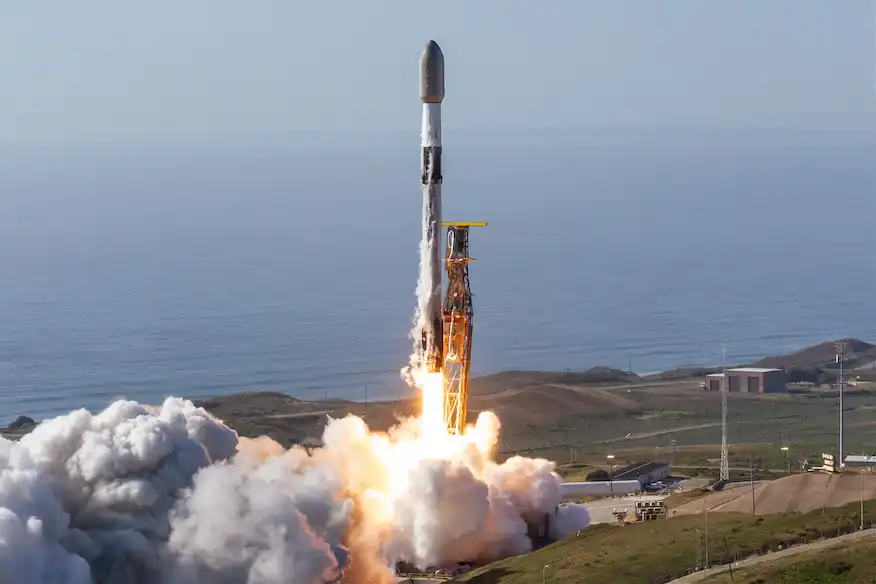
Several nations are pivoting from atmosphere-bound air power to space dominance. The U.S. Space Force, officially launched in 2019, is now supported by satellite fleets, early warning systems, and orbital tracking capabilities. China and Russia are also investing in anti-satellite (ASAT) weapons and space surveillance. While still early, these programs signal a strategic shift that could reshape future air dominance.
Conclusion
The largest air forces in the world in 2025 reflect a blend of legacy strength, technological ambition, and emerging capability. While the United States dominates both in size and sophistication, Russia, China, and India continue to solidify their positions. As newer technologies such as hypersonics, unmanned aerial systems (UAS), and space assets mature, the landscape of air power will become even more complex and competitive.
Frequently Asked Questions
Which country has the most military aircraft in 2025?
The United States holds the largest number of military aircraft in the world, with 14,486 aircraft spread across the Air Force, Navy, Army Aviation, and Marine Corps.
Is aircraft count the best way to measure air power?
Not necessarily. While quantity matters, TrueValue Rating (TvR) provides a more accurate measure by considering aircraft capability, role, condition, and readiness. A smaller, modern air fleet can outperform a larger outdated one.
Who is advancing fastest in air force modernization?
China has shown the most significant progress, transitioning from aging Soviet-era fighters to advanced stealth platforms like the J-20, investing in domestic UAVs, and expanding its Naval Air Arm.