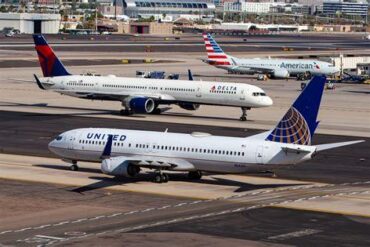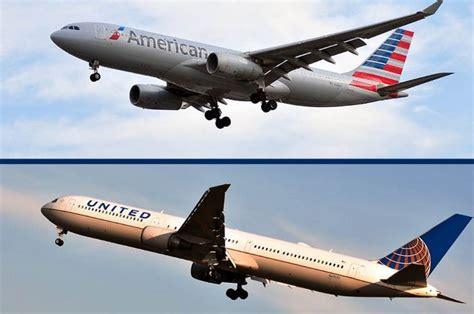
For decades, American Airlines and United Airlines have stood as two of the most powerful names in global aviation. Both airlines dominate the skies over North America, while extending their influence across Europe, Asia, Latin America, and beyond. Their rivalry spans everything from global alliances and strategic hubs to network reach and passenger volume. Yet one of the most crucial measures of dominance lies in the size and composition of their fleets, which directly impacts route flexibility, operational costs, passenger experience, and long-term competitiveness.
As of 2025, this rivalry has reached a decisive phase. United Airlines now holds the edge in total aircraft count, while American Airlines still commands specific advantages in Airbus narrowbody operations. To understand this battle in full, it is necessary to analyze both carriers’ Airbus and Boeing fleets, their ongoing orders, and the strategic role these aircraft play in shaping global aviation trends.
American Airlines: A Dual Airbus and Boeing Stronghold
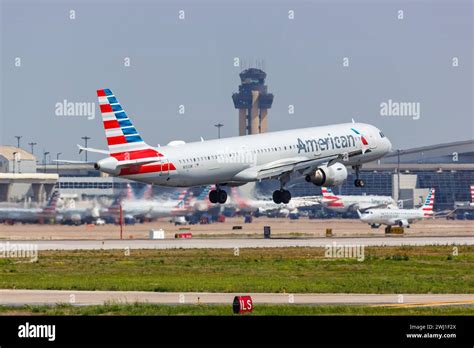
American Airlines boasts the largest Airbus fleet in the United States, with 483 aircraft currently in service. Nearly half of its mainline operations depend on Airbus narrowbodies, particularly the Airbus A321, which has become the undisputed backbone of American’s domestic and regional international services. With more than 200 A321ceos and over 80 A321neos, American Airlines is the largest operator of the A321 family worldwide, cementing its dominance on high-frequency, high-demand routes.
The upcoming introduction of nearly 50 Airbus A321XLRs will push the airline into new territory. With a range of over 4,700 nautical miles, these aircraft will allow American Airlines to serve transatlantic destinations and secondary cities that would otherwise be uneconomical for widebodies. This represents a strategic shift toward long-haul narrowbody flexibility, one of the most significant changes in modern airline operations.
Beyond Airbus, American Airlines has an equally impressive Boeing fleet of 516 aircraft, covering both narrowbody and widebody categories. Its Boeing 737-800s remain workhorses, while the newer 737 MAX 8s are gradually replacing older models with improved efficiency and passenger comfort. The future 737 MAX 10 order of 115 aircraft further underlines the airline’s commitment to the MAX program.
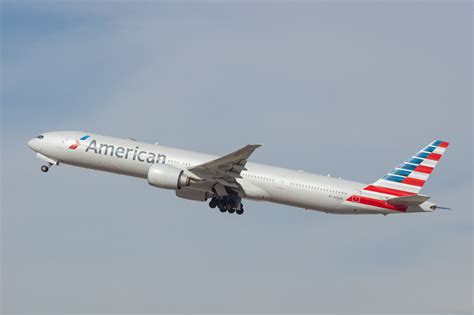
American’s widebody strength comes from its 67 Boeing 777s and 67 Boeing 787s, which serve as the backbone of its transoceanic network. The 777-300ER, in particular, operates flagship routes such as New York–London, Miami–São Paulo, and Los Angeles–Sydney, carrying up to 330 passengers in a three-class layout.
In total, American Airlines operates 999 mainline aircraft across Airbus and Boeing models. Its fleet modernization strategy leans toward efficiency, but its pace of growth remains measured compared to United Airlines.
United Airlines: The Bold Expansion Strategy
While American Airlines maintains balance, United Airlines has surged ahead in sheer fleet size. As of 2025, United operates 1,048 aircraft, surpassing American Airlines by nearly 50. What makes this even more remarkable is United’s aggressive order book, which includes more than 300 additional aircraft scheduled for delivery in the coming years.
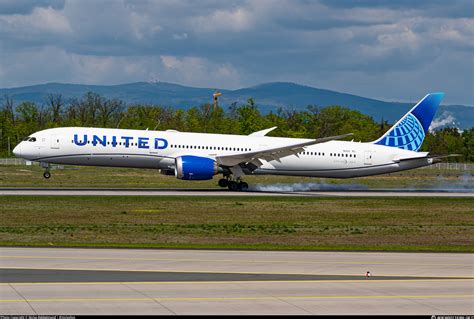
Unlike American, United Airlines has historically relied more heavily on Boeing aircraft. Its current fleet includes 828 Boeing jets, spread across 16 different types, ranging from 737-700s to 777-300ERs and the latest 787-10 Dreamliners. This diversity provides flexibility but also highlights a challenge: replacing aging types like the 757-200 and 767-300ER. Both of these models are gradually being phased out in favor of the more efficient 737 MAX series and 787-9 Dreamliner.
United’s widebody strategy is particularly aggressive. With 46 Boeing 787-9s already in service and 142 more on order, the airline is positioning itself as a leader in the transcontinental and intercontinental markets. Additionally, the 167 Boeing 737 MAX 10s on order will modernize its short-to-medium haul capacity, allowing the airline to increase efficiency on dense routes.
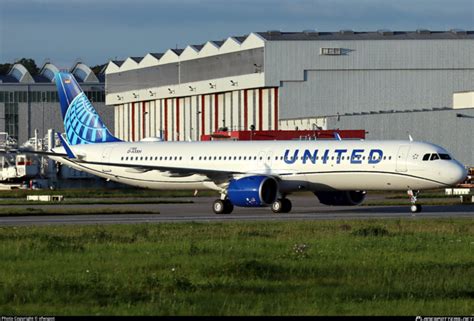
United’s Airbus fleet, by contrast, is smaller at 199 aircraft, though rapidly growing. The most significant development is the pending delivery of 155 Airbus A321neos and 50 Airbus A321XLRs, which will allow the airline to launch new long-haul narrowbody services similar to American’s strategy. More strikingly, United has 45 Airbus A350-900s on order, signaling a bold diversification into Airbus widebodies.
Head-to-Head: Fleet Numbers in 2025
The numbers tell the clearest story in this rivalry.
- American Airlines Fleet (2025): 999 aircraft total (483 Airbus, 516 Boeing)
- United Airlines Fleet (2025): 1,048 aircraft total (199 Airbus, 828 Boeing)
On orders:
- American Airlines Orders: 303 aircraft (145 Airbus, 158 Boeing)
- United Airlines Orders: 671 aircraft (250 Airbus, 421 Boeing)
The difference is stark. While American Airlines focuses on gradual renewal, United Airlines has positioned itself for rapid expansion and modernization, committing to a massive pipeline of incoming aircraft that will reshape its operations through the decade.
Network Impact: How Fleet Size Shapes Strategy
Fleet size is not simply a matter of numbers—it directly affects route flexibility, scheduling frequency, and global reach.
For American Airlines, the focus on Airbus narrowbodies ensures dominance in domestic markets and high-frequency corridors, particularly at mega-hubs such as Dallas/Fort Worth (DFW), Charlotte (CLT), and Miami (MIA). Its Boeing 777 and 787 aircraft reinforce long-haul strengths, with particular emphasis on North America–Europe and North America–South America markets.
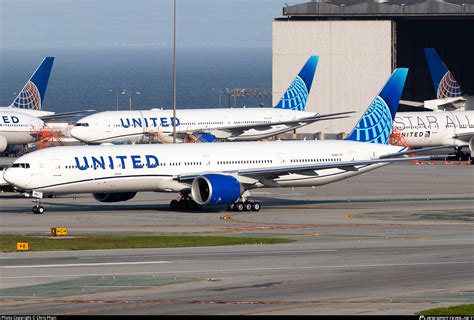
By contrast, United Airlines’ larger fleet provides greater flexibility for both domestic and international expansion. The airline’s primary transatlantic hub at Newark Liberty (EWR) and its transpacific stronghold at San Francisco (SFO) allow United to diversify long-haul operations. Recent expansions include routes to Adelaide, Bangkok, Ho Chi Minh City, and Manila, markets made possible by its growing widebody strength.
Sustainability and Fleet Renewal
Both airlines are under pressure to modernize fleets in line with global sustainability standards. The aviation industry faces growing scrutiny over carbon emissions, making new-generation aircraft like the 737 MAX, A321neo, and 787 Dreamliner critical investments.
- American Airlines has leaned on the A321neo and MAX 8 for domestic efficiency, while its 787s provide long-haul sustainability gains.
- United Airlines, however, has set itself apart with the largest 787 order backlog in the world, ensuring lower emissions on future long-haul flights. Its decision to also adopt the A321XLR and A350-900 shows a broader commitment to diversifying efficient aircraft types.
The scale of United’s order book suggests it could become a global leader in fuel efficiency per seat, while American’s more conservative approach may extend the lifecycle of older aircraft, slowing immediate environmental benefits.
The Verdict: United Airlines Takes the Crown
When measured by total fleet size, United Airlines currently holds the lead with 1,048 aircraft, edging out American Airlines’ 999 aircraft. More importantly, United’s order backlog of 671 aircraft dwarfs American’s 303, making it highly likely that United will retain its lead for years to come.
American Airlines remains a global powerhouse and the world’s largest carrier by passenger numbers, carrying 248 million travelers in 2024. Yet, in terms of raw fleet dominance and future expansion, United has taken a bolder and more aggressive stance. The coming decade will show whether American’s cautious renewal or United’s expansive strategy proves most effective in the evolving world of aviation.
Looking Ahead
The fleet battle between American Airlines and United Airlines is far from over. Delta Air Lines, with 990 aircraft, lurks close behind and could soon overtake American if growth trends continue. As global aviation demand rebounds and airlines position themselves for long-term sustainability, the real competition may not just be about numbers, but about how effectively each carrier deploys its fleet to capture future markets.
For now, however, the data is clear: United Airlines is the undisputed fleet leader in 2025, signaling an era where bold expansion may define the next chapter of U.S. aviation history.