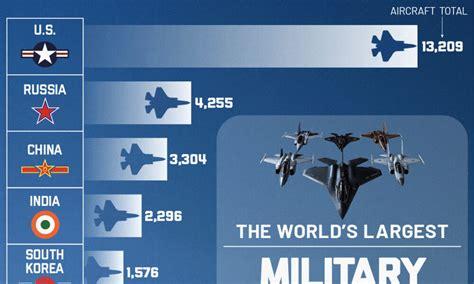
In modern military aviation, raw aircraft numbers tell only half the story. The true backbone of any air force lies in the men and women trained to operate, command, and survive in increasingly complex aerial environments. As geopolitical tensions shift and technology evolves, the number of qualified pilots has become one of the most critical indicators of a nation’s real combat readiness. From stealth fighters to carrier aviation, the human element remains irreplaceable—even as automation and drones rise.
Across the globe, pilot corps are under pressure. Declining birth rates, intense training pipelines, and the growing sophistication of aircraft have made it harder than ever to sustain large, capable rosters. Yet some nations continue to dominate through scale, investment, and institutional depth. Others, despite large fleets, struggle to maintain sufficient numbers of experienced aviators.
Understanding the world’s largest air forces by number of pilots reveals not just who leads in the sky—but who can sustain that dominance over time.
United States: The Unmatched Giant of Global Air Power
The United States stands firmly at the top, fielding an astonishing 37,000 military pilots across its Air Force, Navy, Marine Corps, and Army aviation branches. This figure dwarfs every other nation, reflecting decades of sustained investment in aviation dominance.
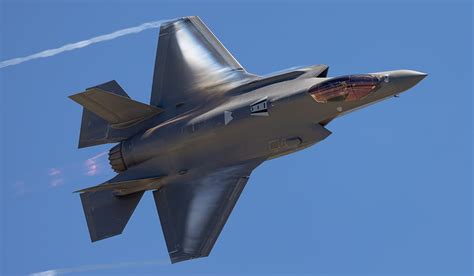
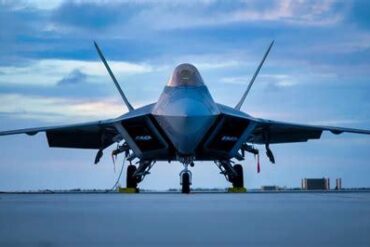
What makes the American system unique is not just scale, but diversity of mission roles. Roughly 13,000 pilots serve within the U.S. Air Force alone, flying everything from F-22 Raptors and F-35 Lightning II stealth fighters to strategic bombers like the B-2 Spirit. Meanwhile, naval aviation contributes another 10,000 aviators operating from aircraft carriers, where each supercarrier demands over 200 deck-qualified pilots to sustain operations.
Army Aviation adds yet another layer, with approximately 14,000 helicopter pilots flying platforms like the AH-64 Apache and UH-60 Black Hawk. This multi-branch structure creates a deeply integrated ecosystem where joint operations are the norm rather than the exception.
Yet even this massive force faces strain. Pilot shortages persist due to high operational tempo, competition from commercial aviation, and reduced training opportunities. The paradox is striking: the world’s largest air force is simultaneously overwhelmingly powerful and structurally stretched. Experience gaps, particularly among mid-career pilots, have become a growing concern in maintaining combat effectiveness.
Russia: A Force Under Pressure
Russia’s Aerospace Forces (VKS) operate with an estimated 4,000 to 5,000 pilots, supporting a fleet of over 4,200 aircraft. On paper, the balance between aircraft and aircrew appears sustainable. In reality, the system is under intense stress.
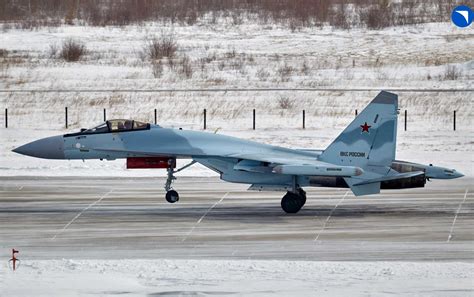
Since 2022, prolonged military operations have significantly impacted pilot availability. Losses in combat, fatigue among experienced aviators, and accelerated training programs have created a fragile pipeline. The traditional prestige of the fighter pilot elite remains intact, but maintaining that standard has become increasingly difficult.
Training institutions such as the Krasnodar Higher Military Aviation School continue to produce new pilots, yet shortened training cycles raise concerns about preparedness. In response, Russia has adapted its doctrine—favoring long-range strike tactics and stand-off weapons to reduce pilot exposure.
This shift highlights a deeper reality: Russia is compensating for human resource constraints with technological and tactical adjustments. While still formidable, its air force increasingly reflects a balance between capability and caution.
China: Rapid Expansion and Strategic Ambition
China’s People’s Liberation Army Air Force (PLAAF) represents one of the most dynamic forces in the world, with approximately 4,000 active-duty pilots and growing.
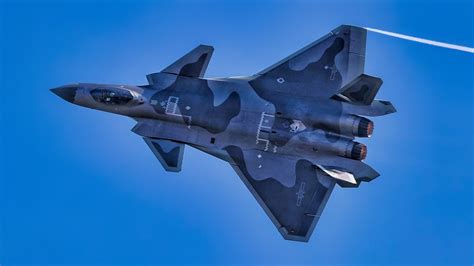
Unlike Russia, China’s trajectory is defined by expansion rather than contraction. Massive investments in training infrastructure, recruitment, and indigenous aircraft production have fueled a steady increase in pilot numbers. Institutions like the Air Force Aviation University in Changchun form the backbone of this growth, producing a new generation of technologically adept aviators.
The introduction of the J-20 stealth fighter has added complexity to pilot training. Operating fifth-generation aircraft requires mastery of sensor fusion, networked warfare, and beyond-visual-range combat—skills that demand longer and more sophisticated preparation.
Naval aviation is another frontier. With aircraft carriers like Liaoning, Shandong, and the emerging Fujian, China is rapidly expanding its pool of carrier-qualified pilots. These aviators undergo some of the most demanding training in military aviation, including arrested landings and night operations at sea.
Despite historical challenges—including high accident rates in earlier decades—the PLAAF has made significant strides in safety and professionalism. The result is a force that is not only growing in size but also in operational sophistication.
India: Balancing Ambition and Constraint
India’s Air Force operates with approximately 3,834 pilots, slightly below its authorized strength of over 4,200. This gap reflects broader structural challenges within one of the world’s most diverse aviation ecosystems.
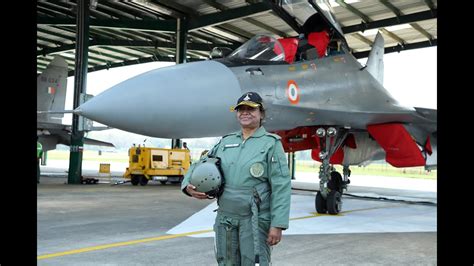
A defining characteristic of India’s air force is its mixed fleet composition. Aircraft sourced from Russia, Europe, and domestic programs create a complex maintenance and training environment. Pilots must adapt to varying avionics, flight characteristics, and logistical systems.
Training begins on platforms like the Pilatus PC-7 Mk II, progressing through intermediate jets before reaching frontline fighters such as the Sukhoi Su-30MKI or MiG-29. However, supply chain disruptions—particularly those linked to Russian equipment—have slowed simulator availability and aircraft readiness.
Naval aviation adds further demand. Operating from the carrier INS Vikramaditya, India requires hundreds of specialized pilots trained for ski-jump takeoffs and arrested landings. Each missed training cycle can significantly impact proficiency, especially in high-risk environments like nighttime carrier operations.
India’s future direction remains a subject of strategic debate. Potential acquisitions, including advanced Western fighters or next-generation stealth platforms, will directly influence pilot training requirements and force structure for decades to come.
Japan: Precision, Discipline, and Technological Edge
Japan’s Air Self-Defense Force (JASDF) maintains a relatively small but highly capable pilot corps of around 2,000 aviators, supporting a fleet of approximately 1,459 aircraft.
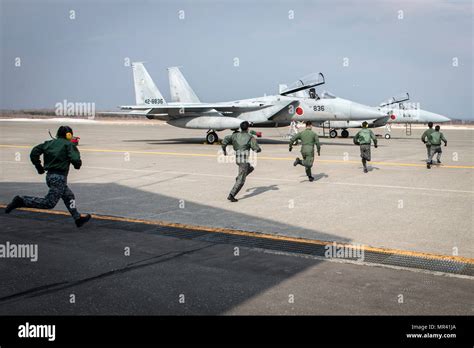
Every JASDF pilot undergoes an exceptionally rigorous training pipeline. Beginning with basic instruction on the Fuji T-7, candidates advance to the Kawasaki T-4 before entering operational conversion units. Only a select few earn the opportunity to fly frontline fighters like the F-15J Eagle or the domestically produced F-2.
Japan is also at the forefront of integrating F-35A and F-35B stealth fighters into its force structure. These aircraft demand a new level of cognitive skill, as pilots manage vast streams of data while coordinating with allied systems through secure networks.
Maritime operations are becoming increasingly important. The conversion of the Izumo-class helicopter carriers into platforms capable of launching F-35B jets introduces a new category of pilot specialization. Carrier aviation, with its demanding operational tempo, will require Japan to expand its pool of highly trained aviators.
Despite its smaller size, Japan’s air force exemplifies quality over quantity. High readiness levels, advanced technology, and close coordination with allies ensure that its pilot corps punches far above its numerical weight.
Pilot-to-Aircraft Ratios: The Hidden Measure of Strength
Beyond absolute numbers, the ratio of pilots to aircraft offers deeper insight into operational readiness. Most air forces aim for more pilots than aircraft to ensure rotation, training, and sustained combat operations.
The United States, for instance, maintains a robust surplus of pilots, enabling continuous deployments across multiple theaters. In contrast, countries facing shortages often operate at minimal staffing levels, limiting flexibility and increasing fatigue among aircrew.
Russia and India illustrate the challenges of maintaining equilibrium. When pilot numbers fall short, aircraft availability becomes less relevant—jets sitting on the tarmac cannot project power without trained crews.
China, on the other hand, is actively working to build depth in its pilot corps, recognizing that future conflicts will demand sustained operations over extended periods.
The Future of Military Pilots in an Autonomous Age
As unmanned systems and artificial intelligence reshape warfare, the role of the human pilot is evolving—but not disappearing. Instead, pilots are transitioning into mission managers, overseeing networks of drones, sensors, and weapons systems.
This shift places even greater emphasis on training. Modern pilots must master not only flight mechanics but also data interpretation, electronic warfare, and multi-domain coordination. The cognitive demands are higher than ever, making recruitment and retention more challenging.
At the same time, demographic trends—particularly in developed nations—are shrinking the pool of eligible candidates. Air forces must compete with civilian industries for talent, offering incentives and career pathways that can rival commercial aviation.
Conclusion: The Human Factor Still Rules the Skies
Despite rapid technological advancement, the balance of air power continues to hinge on people. Aircraft may define capability, but pilots define execution. The nations leading in pilot numbers today are not just fielding large forces—they are investing in the training, experience, and resilience required to sustain them.
From America’s vast and multifaceted aviation network to China’s ambitious expansion, from Russia’s adaptive strategies to Japan’s precision-driven approach, each country reflects a different philosophy of air power. Yet all share a common truth: without skilled pilots, even the most advanced aircraft are little more than grounded potential.
In the end, the race for aerial dominance is not just about machines—it is about the individuals willing to take to the skies, master complexity, and operate at the very edge of human capability.