As global travel rebounds, the competition among airlines to provide an exceptional long-haul experience intensifies. The 2025 Telegraph Travel Awards has once again recognized Emirates as the world’s best long-haul airline, marking a significant achievement based on thousands of traveler responses from major international airports like Tokyo Haneda, Singapore Changi, and London Heathrow. This year’s findings reflect a shifting landscape in traveler preferences, where service quality, innovation, and global reach are becoming the benchmarks for excellence in the aviation industry.
Emirates: Unmatched Luxury and Strategic Investments Drive Success
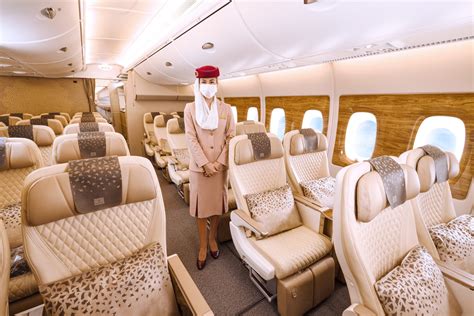
For the second consecutive year, Dubai-based Emirates Airlines (EK) has claimed the top spot in long-haul rankings. This ongoing success can be attributed to a massive $5 billion retrofit program that saw the refurbishment of 61 aircraft in 2025 alone, which included 31 Airbus A380s and 30 Boeing 777s. These extensive upgrades enable Emirates to meet the ever-evolving expectations of luxury travelers who seek comfort and advanced technology during their journeys.
In addition to refurbishments, Emirates has expanded its network with new routes to vibrant cities such as Shenzhen, Da Nang, Siem Reap, and Hangzhou. This strategic expansion strengthens its foothold in key Asian markets, catering to the growing demand for long-haul travel in the region. Emirates’ consistent presence in the top rankings since 2014 speaks volumes about its commitment to passenger loyalty. High-quality onboard services, state-of-the-art cabin upgrades, and the increasingly valuable Emirates Skywards loyalty program, enhanced through strategic partnerships with airlines like Garuda Indonesia and flydubai, collectively underpin the airline’s ongoing triumph.
All Nippon Airways and Singapore Airlines: Rising Competitors in Long-Haul Travel
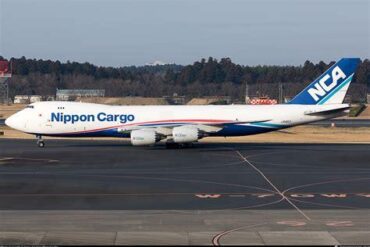
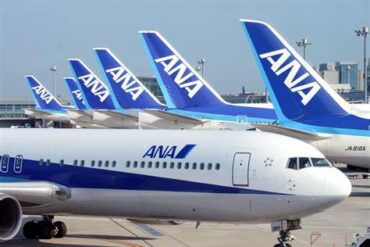
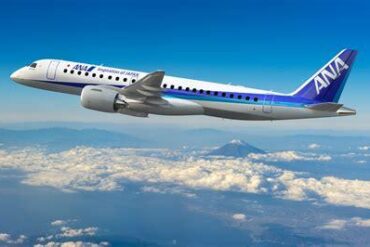
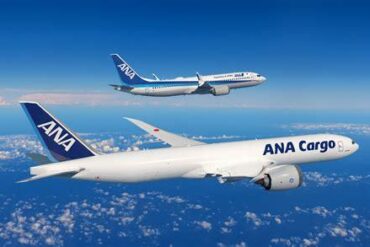
All Nippon Airways (NH) has made a remarkable ascent to the second position in the 2025 rankings. This resurgence is notable, especially considering the airline’s struggles in previous years. Japan’s renewed emphasis on service culture, combined with punctuality and the expansion of its long-haul network, has been pivotal in transforming NH’s reputation. Recent improvements and an increase in capacity have cemented its status among the elite carriers in international air travel.
Meanwhile, Singapore Airlines (SQ) secured third place in the survey, reflecting its unwavering performance in customer satisfaction. Renowned for its opulent Suites Class and superior service quality, Singapore Airlines continues to impress travelers with its extensive regional-to-global network. The airline’s innovative approach to enhancing the inflight experience through new cabin products offers unparalleled comfort and a seamless journey, making it a preferred choice for discerning travelers.
Rising Stars and Shifting Power Dynamics: Qatar Airways and Japan Airlines
Qatar Airways (QR) remains a steadfast player in the top five, thanks to its award-winning Qsuite cabins and a vast global network. The airline’s commitment to maintaining high standards in passenger experience despite fierce competition underscores its dedication to excellence. In contrast, Japan Airlines (JL) has experienced a significant leap in the rankings, securing fifth place in 2025. This growth signals a focused effort on fleet modernization and product enhancements, allowing JL to compete vigorously in the long-haul market.
Other noteworthy airlines making their mark in the top ten include Virgin Atlantic (VS), Cathay Pacific (CX), EVA Air (BR), and Air New Zealand (NZ). These carriers have successfully adapted their onboard offerings to align with evolving customer expectations, thereby remaining competitive in the rapidly changing landscape of international travel. For instance, Virgin Atlantic’s consistent presence in the top rankings highlights its strength in transatlantic service, while EVA Air’s excellent premium economy class and safety standards contribute to its strong performance.
Emirates’ New Routes and Fleet Innovations: A Commitment to the Future
Emirates is not only focused on upgrading its existing fleet but is also expanding its operations to cover more destinations. In 2025, the airline added flights to prominent locations such as Shenzhen and Da Nang, enhancing connectivity for global travelers heading to both Southeast Asia and China. This strategic move solidifies Emirates’ position as a formidable competitor in the long-haul market.
The introduction of the latest A350 models showcases Emirates’ commitment to leading the industry in terms of efficiency, fuel economy, and passenger experience. With these advancements, the airline sets new benchmarks, ensuring that travelers enjoy a top-tier experience from takeoff to landing.
Legacy Western Carriers Face Decline Amid Increased Competition
As Middle Eastern and Asian carriers ascend in the rankings, legacy Western airlines like British Airways (BA), Lufthansa (LH), and Air Canada (AC) have encountered significant challenges. British Airways, which was once a staple in the top five, plummeted to 36th place in 2025, indicating a dramatic shift in consumer preferences. Today’s travelers are increasingly attracted to airlines that offer superior efficiency, luxury, and competitive pricing, leaving many legacy carriers struggling to adapt.
The Rise of New Competitors: Norse Atlantic Airlines
A noteworthy newcomer to the long-haul airline scene is Norse Atlantic Airways (N0), which burst onto the rankings with an impressive 14th-place finish in 2025. This low-cost long-haul carrier has effectively carved out a niche by providing travelers with newer aircraft, attractive fares, and a premium service experience, even without being classified as a full-service airline. Norse Atlantic’s entry signifies a diversification of options for travelers, challenging traditional norms in the industry.
Conclusion: The Future of Long-Haul Travel
The results of the 2025 Telegraph Travel Awards paint a dynamic picture of the long-haul travel landscape. Emirates, All Nippon Airways, and Singapore Airlines are at the forefront, but they are closely followed by rising stars eager to make their mark. Legacy Western carriers must elevate their game or risk losing relevance in this fiercely competitive environment. As the battle for passengers intensifies, airlines that prioritize service innovation, invest in their fleets, and enhance the overall passenger experience will shape the future of air travel.