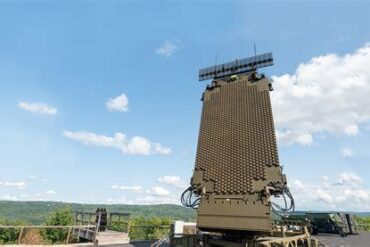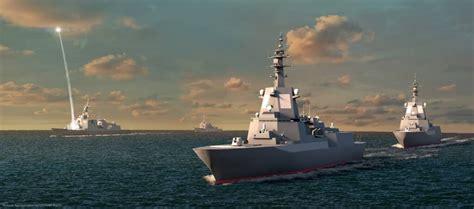
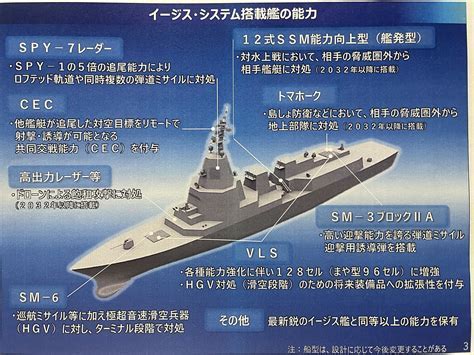
Lockheed Martin has officially delivered the first shipset of SPY-7(V)1 radar antennas to Japan’s Ministry of Defense, marking a pivotal step in the development of the country’s advanced Aegis System Equipped Vessels (ASEVs). The transfer includes four state-of-the-art radar antennas designed for long-range tracking and engagement, providing Japan with a significant technological advantage in the field of ballistic missile defense. These components will be integrated into Japan’s two ASEVs, which are currently scheduled to enter commission in fiscal years 2027 and 2028.
The announcement came from Lockheed’s production and test facility located in Moorestown, New Jersey, where the antennas are currently undergoing system integration and validation. This testing phase is critical to ensuring that the radar system functions seamlessly across operational environments and mitigates the risks typically associated with integrating new technologies into naval platforms.
Strategic Milestone in Japan’s Naval Defense Modernization
This delivery signifies more than just a shipment of radar components — it is a strategic cornerstone in Japan’s defense modernization, aligning with Tokyo’s evolving security posture amid rising tensions in the Indo-Pacific. According to Chandra Marshall, Vice President of Multi-Domain Combat Solutions at Lockheed Martin, “The successful on-time delivery of all antennas for the first ASEV showcases the maturity and scalability of the SPY-7 radar as well as production capacity, while also demonstrating Lockheed Martin’s dedication and expertise in system integration.”
Japan’s investment into the SPY-7 radar-equipped ASEVs reflects a broader regional trend. The island nation has approved record-breaking defense budgets, including an unprecedented ¥8.7 trillion ($55.1 billion) allocation in December, aimed at reinforcing national security in light of an increasingly assertive People’s Republic of China. These next-generation vessels are not merely upgrades — they represent a shift in doctrine towards maritime missile defense supremacy.
Inside the SPY-7 Radar: Capabilities and Architecture
The SPY-7(V)1 radar system is one of Lockheed Martin’s most advanced offerings, developed with Gallium Nitride (GaN) technology that significantly improves radar sensitivity, power efficiency, and tracking accuracy. Designed with modular open architecture, SPY-7 enables faster software updates and streamlined component replacement, ensuring long-term serviceability and technological relevance.
SPY-7 delivers robust capabilities, including:
- Simultaneous multi-target tracking across ballistic, cruise, and air-breathing threats
- Enhanced performance in electronic warfare environments
- Integration with Aegis Combat System for seamless interoperability
- Scalable configurations adaptable to destroyers, frigates, and land-based platforms
Lockheed’s choice to retain the antennas in the U.S. for integrated testing underscores a strategy focused on risk mitigation and timeline adherence. The antennas are undergoing validation within the Production Test Center (PTC) in Moorestown, where engineers are replicating real-world conditions to test the radar system’s robustness.
ASEVs: Japan’s Answer to Ballistic Missile Threats
The ASEV program emerged from the cancellation of Japan’s land-based Aegis Ashore project, which was shelved in 2020 due to cost, safety, and domestic political challenges. In its place, Tokyo opted to commission two specialized warships capable of providing mobile ballistic missile defense coverage.
These vessels, while yet unnamed, are widely anticipated to surpass the Atago-class and Maya-class destroyers in radar coverage, sensor fusion, and missile engagement capabilities. With SPY-7 at the core, ASEVs are engineered to form a flexible maritime defense network that can shift its position based on threat direction and geopolitical developments.
Lockheed’s Global SPY-7 Partnerships: Canada and Spain
Japan is not the only nation integrating SPY-7 into its maritime fleet. Lockheed Martin has also signed contracts with Canada and Spain, further embedding the system within the naval defense architecture of key U.S. allies.
In Canada, the radar will be mounted aboard the upcoming River-class destroyers, which are being developed under the Canadian Surface Combatant (CSC) program. These ships will replace the aging Iroquois-class destroyers and Halifax-class frigates, aligning with Canada’s naval modernization roadmap.
Spain has opted to include SPY-7 aboard its F-110-class frigates, a set of five next-generation multi-mission vessels designed for operations in contested environments. These partnerships underscore SPY-7’s flexibility and global appeal, positioning it as a standard-bearer in multi-domain naval radar systems.
U.S.-Japan Alliance: Military Upgrades and Geopolitical Tensions
The SPY-7 radar delivery comes amid deepening U.S.-Japan military ties, even as diplomatic frictions persist. In March 2025, U.S. Defense Secretary Pete Hegseth praised Japan’s defense posture during a tour of the Indo-Pacific and pledged additional Pentagon personnel to the U.S.-Japan joint command located at Yokota Air Base and Tokyo. These deployments are meant to bolster joint response coordination across emerging flashpoints, including Taiwan, the South China Sea, and North Korea.
However, Washington’s military outreach has been shadowed by the Trump administration’s recent decision to impose a 25% tariff on goods imported from Asian allies, including Japan. This economic maneuver has raised concerns among defense analysts who worry that such policies may undermine alliance cohesion, even as security cooperation intensifies.
Integration Timeline and Operational Forecast
Although the antennas are now technically Japan’s property, the system will remain within the U.S. until all integration tests conclude. Lockheed Martin emphasizes that this approach “significantly reduces integration risk and enables commissioning on schedule,” pointing to a clear effort to eliminate potential delays in the ASEV deployment timeline.
If testing and integration stay on track, Japan’s ASEVs will begin sea trials by late 2026, with full commissioning staggered across 2027 and 2028. These warships are expected to become permanent fixtures in the East China Sea and Western Pacific, forming part of Japan’s multi-layered missile defense shield.

Regional Implications and Future Outlook
Japan’s acquisition of SPY-7-equipped ASEVs has far-reaching implications for the Indo-Pacific region. As missile threats from North Korea persist and China continues military build-ups near Taiwan and the Senkaku Islands, Japan’s enhanced radar and missile tracking capability reinforces its ability to intercept long-range threats before they enter sovereign airspace.
The vessels also serve a deterrent function, signaling Tokyo’s readiness to engage in collective self-defense with partners like the United States and Australia. Furthermore, the floating Aegis systems offer Japan greater operational flexibility, as they are not fixed installations vulnerable to first-strike scenarios — a strategic advantage in today’s high-risk security landscape.
Looking forward, the SPY-7 radar’s field performance will be closely monitored by regional actors. Should the system exceed operational expectations, it may open the door to additional international contracts, potentially with Taiwan, South Korea, or NATO partners looking to modernize their own surface fleets.
Conclusion: A Game-Changing Asset in a Shifting Security Environment
The delivery of Lockheed Martin’s SPY-7 radar antennas to Japan represents a watershed moment in Asia-Pacific defense developments. More than just a technology transfer, it’s a symbol of growing interdependence between allied nations facing common threats in an increasingly volatile region. As Japan presses forward with its ASEV program, and as integration and testing proceed in New Jersey, the maritime balance of power in the Pacific is steadily — and deliberately — shifting.
The success of SPY-7 aboard Japan’s ASEVs will not only define Tokyo’s maritime defense for the next generation, but it could also reshape radar warfare doctrine across allied navies worldwide.