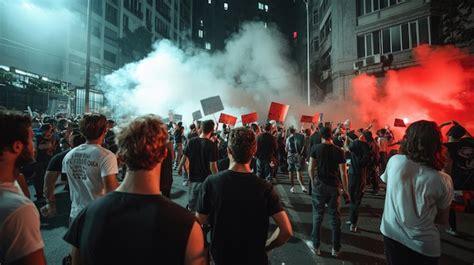
What began as a peaceful protest in Mexico City quickly transformed into a scene of violence and chaos, shocking both tourists and locals alike. Demonstrators gathered to voice their concerns regarding the adverse effects of gentrification and the rapid surge in mass tourism. Initially intended as a demonstration to address these pressing issues, the situation escalated into a full-blown riot, leaving an indelible mark on the vibrant neighborhoods of Condesa and Roma.
The Backdrop: Growing Discontent Over Gentrification and Tourism
Mexico City has long been a popular destination for travelers, lured by its rich culture, vibrant neighborhoods, and world-renowned culinary scene. However, the increasing influx of foreign visitors has sparked growing concern among locals about the impact of tourism on their communities. The protest was ignited by fears of displacement due to rising costs and the transformation of once-affordable neighborhoods into upscale, tourist-friendly areas.
The protest was organized by a coalition of local residents who felt that their neighborhoods were being overwhelmed by tourism, contributing not only to gentrification but also to a loss of cultural identity. While acknowledging the economic benefits of tourism, they argued that it was eroding the essence of their communities and driving up living costs to unsustainable levels.
The Peaceful Protest Turns Violent
Initially, the protest was framed as a peaceful demonstration aimed at drawing attention to the negative consequences of gentrification. Hundreds gathered in Condesa and Roma, areas celebrated for their lively cafes, restaurants, and cultural landmarks. However, chaos erupted when masked protesters escalated the tensions, vandalizing businesses, shattering windows, and looting upscale stores. Eyewitness accounts painted a harrowing picture, with one local describing the situation as “scary,” noting that such violence was unprecedented in their experience.
Messages of anger and resentment were scrawled across shattered storefronts, with graffiti declaring slogans like “Get out of Mexico” and “Gringos, stop stealing our home.” These became rallying cries for the more radical demonstrators, amplifying the hostility toward foreign tourists.
Tourists Caught in the Crossfire
For many tourists visiting Mexico City, this protest was an unexpected and unsettling experience. As chaos unfolded, visitors found themselves caught in the turmoil, often feeling confused and frightened. Some reported harassment from hostile protesters, further amplifying the fear and uncertainty that permeated the atmosphere. The once-peaceful streets of Condesa and Roma morphed into scenes of destruction, raising significant questions about the implications for tourism and the city’s image as a welcoming destination.
Social media quickly buzzed with reactions from tourists, many expressing shock and disappointment over the violent turn of events. One visitor tweeted, “This is not what Mexico City is about. If this continues, who will want to visit?” Such sentiments highlight the potential long-term effects on tourism in the city.
The Root Causes: Gentrification and Unchecked Tourism
The violence witnessed in Condesa and Roma was rooted in more profound issues—namely, gentrification and the unchecked growth of tourism. In recent years, Mexico City has welcomed millions of visitors, drawn by its rich culture, history, and modern amenities. While tourism has undeniably contributed to the local economy, it has also led to rising rents, increased living costs, and the displacement of long-time residents.
Diana Reyes, a spokesperson for the protest organizers, clarified that the group does not oppose tourism outright. Instead, their focus lies on the necessity for regulations to manage the growing influx of visitors. Reyes emphasized that without local legislation to control tourism levels and gentrification, communities would remain vulnerable, leaving long-time residents feeling alienated in the city they once called home. “We want to preserve our neighborhoods and maintain our cultural identity,” she asserted, underscoring the urgent need for sustainable solutions.
Social Media Amplifies the Outrage
As videos of the riots circulated online, outrage intensified. Many social media users expressed disbelief at how the protest devolved into violence. The images of vandalized storefronts and angry protesters quickly went viral, heightening tensions surrounding the issue. Videos captured the chaotic scenes in real time, prompting widespread concern about the effectiveness of local law enforcement in managing large-scale demonstrations in such a rapidly urbanizing environment.
Commenters pointed to failures in law enforcement’s response to the escalating situation. As tensions rose, local authorities struggled to maintain order. Police ramped up their presence, but the situation continued to spiral out of control before they could regain any semblance of peace. Officers indicated that their primary objective was to ensure the safety of all involved, including the bewildered tourists caught in the chaos.
The Economic Aftermath: Impact on Local Businesses
The aftermath of the protest left many local businesses in Condesa and Roma reeling. Many of these establishments had only recently begun to recover from the financial strain imposed by the COVID-19 pandemic and subsequent shutdowns. Small business owners expressed frustration over the damage incurred and the toll it had taken on their operations. One café owner lamented, “We are part of this city too. We support the cause but not this kind of violence. We just want to serve our customers and live peacefully.”
Ironically, the protest, initially intended to raise awareness about the adverse effects of tourism, inadvertently harmed the very businesses that the demonstrators sought to protect. The destruction inflicted on local shops, restaurants, and cultural landmarks may yield long-term economic consequences for the neighborhoods involved.
Political and Social Repercussions
In the wake of the protests, city officials face mounting pressure to address the concerns of both residents and tourists. Urban analysts have raised alarms, suggesting that unless effective measures are implemented to regulate tourism and manage the pace of gentrification, future protests could become more frequent and escalate in intensity. Julian Torres, an urban studies professor, referred to the incident as a “wake-up call” for the government of Mexico City. He stressed the importance of taking proactive steps to balance the interests of residents and tourists, lest the city face further conflict.
City officials now face the challenge of accommodating the growing influx of tourists while ensuring that local residents are not displaced or marginalized in their own neighborhoods. This delicate balancing act demands thoughtful policy decisions, strategic urban planning, and a more inclusive approach to tourism development that prioritizes the needs of both locals and visitors.
Looking Ahead: Can Mexico City Find a Sustainable Solution?
The events in Condesa and Roma underscore the deep-rooted tensions surrounding gentrification and tourism in Mexico City. As the city continues to attract visitors, the challenge of managing this growth in a way that benefits both residents and tourists will only become more pronounced. The violent turn of the protest serves as a stark reminder of the urgent need for sustainable, community-focused tourism policies that prioritize the preservation of local cultures and neighborhoods.
As the situation unfolds, it is evident that Mexico City must address the concerns of its residents while simultaneously promoting tourism as a key economic driver. Achieving this balance will require a collaborative effort among all stakeholders, including local government, businesses, and community members, to ensure that the city’s cultural identity remains intact and its communities continue to thrive.
A City at a Crossroads
Mexico City stands at a critical juncture, grappling with the complex interplay of gentrification, tourism, and social inequality. The violent protest in Condesa and Roma acts as a poignant reminder of the growing tensions between residents and tourists. As the city looks to the future, the need for a balanced and sustainable approach to tourism becomes increasingly urgent. By heeding the voices of the community and implementing effective policies, Mexico City has the potential to navigate these challenges and emerge as a model for inclusive and responsible tourism development.