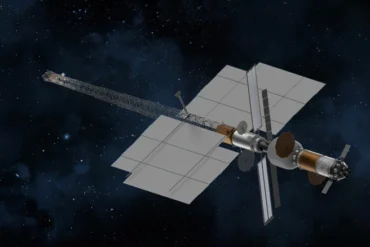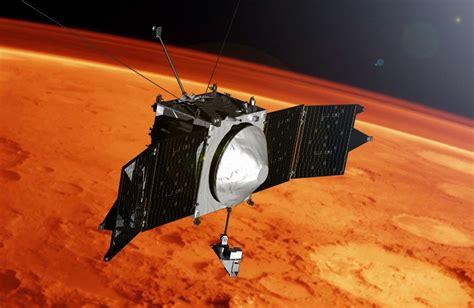
NASA’s Mars Atmosphere and Volatile EvolutioN (MAVEN) mission, a pivotal component of the agency’s Mars exploration efforts, has gone silent. On December 6, 2025, after a decade of collecting vital atmospheric data, the spacecraft failed to respond as it emerged from the planet’s shadow. Once a consistent presence in Mars’ orbit, MAVEN is now unresponsive, and NASA’s Deep Space Network is no longer receiving a signal. The loss raises urgent concerns about the health of the orbiter and the integrity of Mars’ wider communication infrastructure.
The Sudden Disruption in Contact
Before the blackout, MAVEN had been functioning normally, continuing its orbit of Mars and relaying data back to Earth. However, after emerging from behind the planet, NASA detected an unexpected anomaly—the craft was “rotating in an unexpected manner,” a sign that something had gone terribly wrong. The tracking signal’s frequency hinted that MAVEN’s orbital trajectory may have shifted, though the underlying cause remains elusive.
Engineers are considering a number of potential explanations. It is possible that the spacecraft experienced a systems malfunction, suffered a hardware failure, or encountered an untracked space object that altered its path or compromised its stability.
MAVEN’s Scientific Legacy and Critical Role
Launched in 2013 and entering Mars’ orbit in late 2014, MAVEN has been a cornerstone in understanding the Martian climate and atmosphere. Its primary objective was to study the planet’s upper atmosphere and its interaction with solar winds, offering insight into how Mars lost its once-thick atmosphere and became the barren, frigid world we see today.
Thanks to MAVEN’s data, scientists confirmed that solar radiation gradually stripped away Mars’ atmosphere, transforming it from a potentially habitable planet into a desolate one. The mission’s findings complemented results from surface missions, like Curiosity, which confirmed that evaporation and atmospheric loss were key in drying up Martian water sources.
Implications for Mars Surface Missions
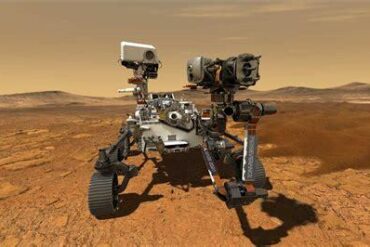
Beyond its scientific mission, MAVEN has also played a key logistical role as a communication relay for other Mars missions. Both the Curiosity and Perseverance rovers rely on MAVEN to transmit data to and from Earth. With MAVEN offline, NASA is now working swiftly to mitigate the impact on its surface operations. Fortunately, other orbiters such as the Mars Reconnaissance Orbiter (MRO) and Mars Odyssey, along with ESA’s ExoMars Trace Gas Orbiter, continue to function and provide communication support.
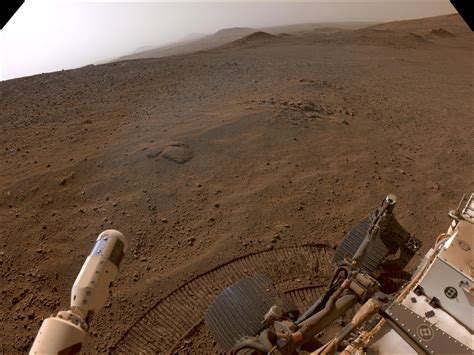
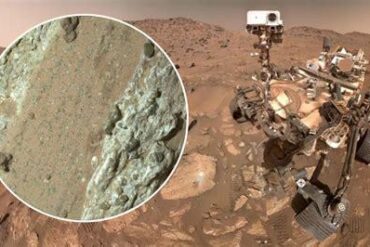
The good news is that these orbiters ensure continued data flow from the surface missions. Recently, Perseverance captured a stunning panoramic image of the Martian terrain, highlighting the ongoing productivity of NASA’s surface assets despite MAVEN’s silence.
A Broader Context in Mars Exploration
The timing of MAVEN’s communication loss is particularly critical. NASA is gearing up for an ambitious Mars sample return campaign, which includes both U.S. and European components. A reliable network of orbiters is essential for mission coordination, data relay, and potential emergency response. The disruption of one of its main relay nodes underlines the fragility of interplanetary communication infrastructure.
Efforts to re-establish contact are ongoing, with NASA’s engineering teams analyzing data, attempting multiple communication strategies, and investigating the cause behind the sudden rotation and trajectory change. There has been no official timeline provided for restoration, and officials remain cautious about making any predictions until further diagnostics can be conducted.
Looking Ahead: The Stakes of Losing MAVEN
The silence of MAVEN is more than a temporary inconvenience—it is a potential blow to Mars exploration efforts. The orbiter has not only enriched scientific understanding but also served as a vital backbone for mission logistics. Its current status could reshape communication strategies for future missions, emphasizing the need for redundant systems and enhanced diagnostics for spacecraft far from Earth.
As NASA races to troubleshoot and regain contact, the world watches closely. The outcome of this incident will likely influence mission planning and spacecraft design for years to come. MAVEN’s fate, whether resolved or irreversible, serves as a stark reminder of the challenges of deep space exploration and the resilience required to confront them.