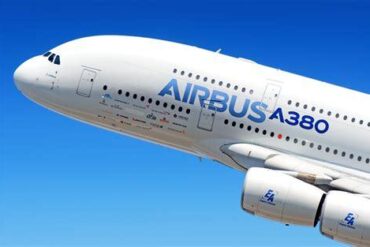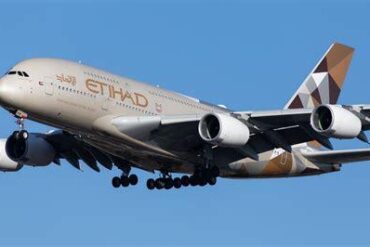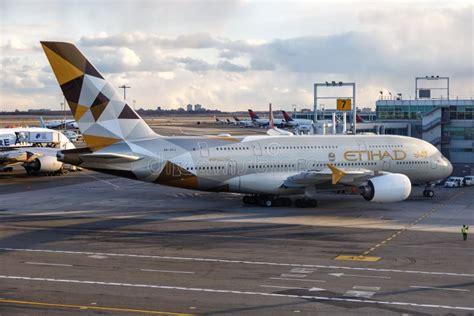
After nearly a decade of gracing the skies above the United States’ premier international gateway, Etihad Airways’ Airbus A380 operations at New York John F. Kennedy International Airport (JFK) have officially come to an end. On June 23, 2025, the final A380 flight departed from JFK, marking the closure of a significant chapter in the UAE flag carrier’s North American operations. With this, New York’s bustling aviation scene loses one of the most recognizable double-deckers ever to cross the Atlantic.
Etihad’s History With New York JFK: A Strategic Gateway To North America
Etihad Airways, founded in 2003, made its debut in New York in October 2006, a year after launching its first North American passenger route to Toronto. Interestingly, Toronto’s services initially operated via Brussels, but New York quickly evolved into the carrier’s flagship US destination, thanks to the airport’s vast connectivity and global stature.
For seven and a half years, Etihad’s Abu Dhabi to JFK flights operated daily, before expanding to twice-daily in March 2014. This frequency allowed Etihad to capitalize on premium traffic, extensive codeshare partnerships, and strong demand for Middle Eastern connectivity, particularly for business travelers and high-yield leisure passengers.
The 5,967 nautical mile (11,051 km) route became a staple for the carrier, solidifying JFK as Etihad’s most significant North American hub. However, the landscape of aviation is ever-evolving, and fleet decisions often reflect broader strategic priorities.
The Arrival And Departure Of The Airbus A380 In New York
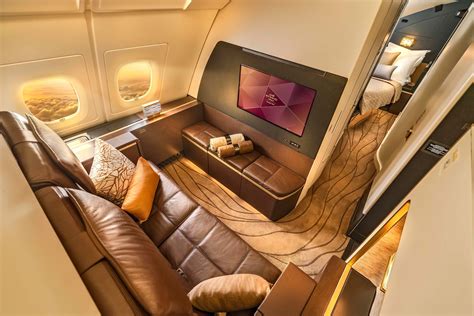
Etihad’s Airbus A380, known for its distinctive upper deck and unparalleled luxury offerings such as “The Residence” suites and expansive first-class cabins, first appeared at JFK in November 2015. This move positioned the airline as a major player among carriers operating high-capacity, ultra-long-haul aircraft to the United States.
Between June 2017 and November 2017, and again from November 2018 to March 2020, JFK saw exclusively A380 operations from Etihad, underscoring the demand and prestige associated with this route. Unfortunately, the onset of the COVID-19 pandemic grounded the global A380 fleet, including Etihad’s superjumbos.
Following an extended hiatus, the A380 made its much-anticipated return to JFK in April 2024, marking a temporary resurgence in ultra-large aircraft operations. However, the comeback was short-lived, with the final departure taking place on June 23, 2025.
The Replacement: Airbus A350-1000 Takes Over JFK Route
With the withdrawal of the A380 from JFK, Etihad has transitioned to deploying the Airbus A350-1000 on the route. While the A350 is a state-of-the-art aircraft known for fuel efficiency, lower operating costs, and environmental benefits, it does signify a reduction in capacity and luxury offerings.
The A350-1000s boast Etihad’s newest business class product but lack both first-class cabins and The Residence, a signature luxury suite that epitomized Etihad’s premium positioning. For high-net-worth travelers and aviation enthusiasts, this marks the end of an era where Etihad differentiated itself on transatlantic routes with ultra-exclusive onboard experiences.
From a commercial perspective, the move reflects a broader industry trend towards operational efficiency, especially as airlines recalibrate their post-pandemic long-haul strategies. Despite lower overall capacity, the A350-1000 allows Etihad to maintain double-daily frequencies at JFK, ensuring flexibility for passengers and strong connectivity to key markets.
The Wider North American Network: Etihad’s Expansion And Focus Shifts
Despite the A380’s exit from New York, Etihad’s commitment to the North American market remains robust. Notably, JFK continues to be Etihad’s most-served North American destination, now operating with a mix of A350-1000 and Boeing 787-9 Dreamliner aircraft.
The airline’s expansion plans for the region are ambitious:
- Atlanta (ATL): From July 2, 2025, Etihad will commence four weekly A350-1000 flights to the world’s busiest airport, later increasing to daily. Atlanta will become Etihad’s longest route by distance, underscoring the carrier’s confidence in US-India connecting traffic via Abu Dhabi.
- Charlotte (CLT): Beginning May 4, 2026, Etihad will launch four weekly 787-9 services to North Carolina’s largest airport, which will simultaneously become CLT’s longest route and its only direct link to the Middle East.
- Toronto (YYZ): Interestingly, while JFK loses the A380, Toronto gains it. The A380 will commence daily operations to Canada’s largest airport from June 24, 2025, reinforcing Toronto’s status as a critical North American gateway for Etihad.
These strategic route decisions highlight Etihad’s focus on optimizing aircraft deployment based on demand patterns, premium traffic potential, and critical connectivity corridors, particularly for the Indian subcontinent.
The A380’s Current Role: Etihad’s Selective Superjumbo Operations
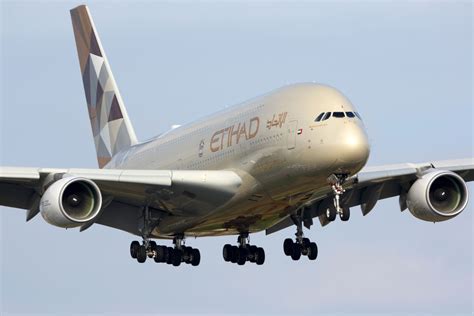
As of June 2025, Etihad has seven active A380s, registered as A6-APD, APE, APF, APG, APH, API, and APJ. Three additional A380s (A6-APA, APB, and APC) will not return to service, reflecting a pragmatic approach towards fleet utilization.
The operational A380 fleet, fully paid off and stored during much of the pandemic, offers Etihad considerable flexibility. However, their high capacity — seating 486 passengers, with a significant emphasis on premium cabins — limits their practicality to only the most profitable, high-demand routes.
Currently, Etihad’s A380 destinations include:
- London Heathrow (LHR): Up to 19 weekly flights, with around 68% utilizing the A380.
- Paris Charles de Gaulle (CDG): Daily service, with A380s operating on 45% of flights.
- Singapore Changi (SIN): Fully A380-operated, reinforcing the aircraft’s role on this flagship Asian route.
- Toronto Pearson (YYZ): Daily A380 service, marking its new North American stronghold for superjumbo operations.
This selective approach aligns with Etihad’s emphasis on higher frequencies, market share growth, and competitive positioning, especially where ultra-large aircraft operations still make economic sense.
Industry Context: The Decline Of The A380 And Future Of Premium Travel
Etihad’s scaled-back A380 network mirrors an industry-wide shift away from superjumbos, as airlines pivot towards more versatile, fuel-efficient twin-engine jets like the A350 and 787 series. With changing market dynamics, environmental pressures, and evolving passenger preferences, airlines increasingly prioritize operational agility over sheer size.
The retirement of the A380 from JFK echoes similar trends at other major carriers, such as Air France’s complete withdrawal of A380s and Emirates’ gradual realignment of its superjumbo fleet. For New York JFK, long synonymous with showcasing aviation’s largest and most luxurious aircraft, this represents a symbolic transition to a new era of transatlantic travel.
However, the A380’s enduring allure, spaciousness, and onboard prestige ensure it remains a favorite among passengers where it still flies. For Etihad, the aircraft’s carefully curated deployment reflects a nuanced strategy balancing luxury, practicality, and profitability in a post-pandemic aviation landscape.
Conclusion: The End Of An Era, But Not The End Of Etihad’s Ambitions
While New York JFK bids farewell to Etihad Airways’ A380 operations, the airline’s North American strategy is far from retreating. With increased connectivity to Atlanta, Charlotte, and enhanced services to Toronto, Etihad continues to strengthen its transatlantic footprint.
The final departure of the A380 from JFK marks the close of a historic chapter for aviation enthusiasts and premium travelers alike. Yet, it also symbolizes Etihad’s adaptability, signaling a future built on efficiency, strategic growth, and modern long-haul aircraft tailored to evolving market realities.
For now, the skies over New York will be absent of Etihad’s iconic double-decker, but its legacy — of luxury, ambition, and global connectivity — continues to resonate across continents.