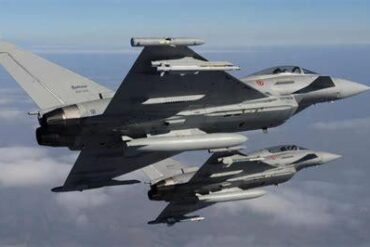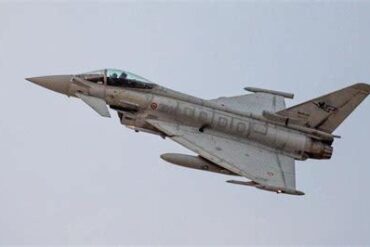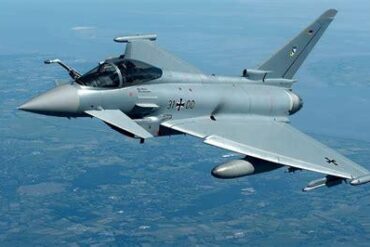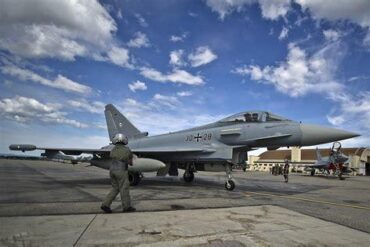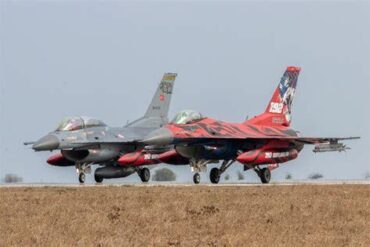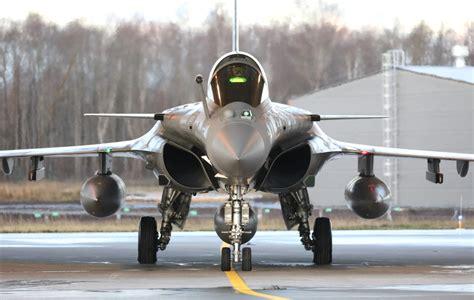
The ambitious plan by Türkiye to acquire up to 40 Eurofighter Typhoon fighter jets is facing critical hurdles, according to a detailed report by aviation expert Gareth Jennings. Although the multi-billion-dollar deal represents a cornerstone of Ankara’s airpower modernization strategy, political sensitivities and consortium constraints are slowing progress and testing diplomatic patience.
Complex Diplomacy Behind Eurofighter Approval
At the heart of the Eurofighter Typhoon deal lies a requirement that all four members of the Eurofighter consortium — the United Kingdom, Germany, Spain, and Italy — must unanimously approve any sale to third parties. While the UK and Spain have expressed clear support for Türkiye’s request, the positions of Germany and Italy remain opaque, with Germany in particular attracting scrutiny due to its prior hesitations.
According to Gareth Jennings, unnamed sources within the program describe at least one of the remaining issues as “quite sensitive,” a term echoed by the Eurofighter CEO. This language strongly suggests the obstacle is rooted in political or diplomatic disputes, rather than purely technical or financial concerns.
A Multi-Layered Political Terrain
Türkiye’s pursuit of the Eurofighter is not merely about replacing aging jets. It is an act of strategic signaling, reflecting a careful balance between its NATO commitments, its strained ties with the United States, and its aspirations for defense independence. Since being ejected from the U.S.-led F-35 program in 2019, following the controversial acquisition of the Russian S-400 missile defense system, Türkiye has been left with a widening capability gap.
The Eurofighter Typhoon presents a viable solution to that gap, especially with the potential to acquire both new and second-hand aircraft. Reports indicate that Türkiye may receive:
- 20 second-hand Tranche 1 aircraft from the UK,
- 20 brand-new Tranche 4 and Tranche 5 jets, expected to enter service between 2027 and 2028,
- And possibly an additional 28 Tranche 1 jets as a donation from the UK — although this remains unconfirmed.
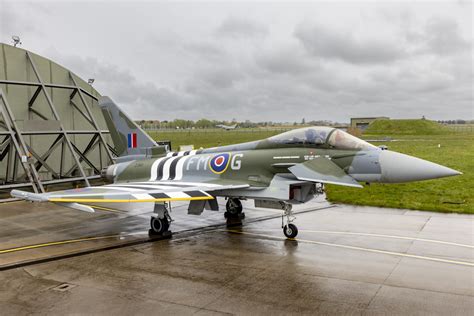
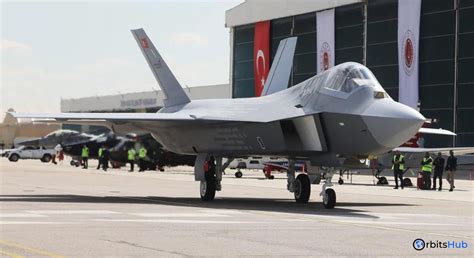
These additions would significantly enhance Türkiye’s air fleet, allowing it to phase out aging platforms such as the F-4 Phantom II and older F-16 variants, while awaiting full-scale deployment of its domestically produced KAAN National Combat Aircraft.
Germany’s Role in the Stalemate
Despite denials from Berlin that it is blocking the deal, Germany’s previous resistance to arms exports to countries involved in regional conflicts — such as Türkiye’s operations in Syria — has fueled speculation that Germany may be the reluctant party in this negotiation.
The German Bundestag has traditionally maintained stringent policies on arms exports, and this conservative stance could be a key source of friction within the consortium. Jennings’ report hints that internal disagreements among the consortium members are dragging the approval process into diplomatic limbo.
However, diplomatic efforts continue. During President Erdogan’s 2023 meeting with German Chancellor Olaf Scholz at the UN General Assembly, discussions were held in the hopes of thawing resistance. Following that, in late 2024, reports indicated Germany had tacitly approved the sale, enabling Türkiye to submit its formal technical requirements.
BAE Systems and British Defense Diplomacy
The United Kingdom, represented prominently by BAE Systems, has taken an active role in advocating for Türkiye’s inclusion in the Eurofighter program. British defense officials and executives have confirmed that negotiations are advancing, with high-level support from both military and industrial leaders.
The UK’s position reflects both geopolitical alignment with Türkiye and practical industrial interests in securing a major export deal that could extend the production lifecycle of the Eurofighter program well into the 2030s.
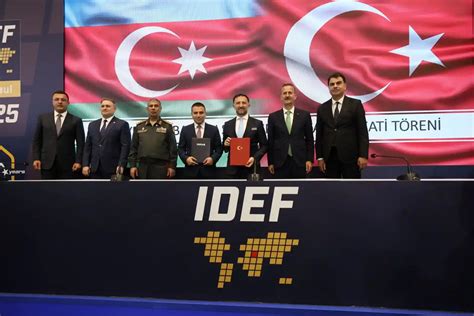
BAE Systems, which plays a leading role in the design and manufacturing of the Typhoon, has also reportedly engaged in technical consultations with Turkish Air Force planners to better tailor the offering to Türkiye’s requirements.
Timeline of Türkiye’s Eurofighter Journey
Türkiye’s interest in the Eurofighter Typhoon began in earnest around 2022, coinciding with increased urgency to modernize its fleet. Here’s how the process has unfolded:
- 2022–2023: Türkiye initiates informal discussions with the UK and Spain, seeking alternative paths around German objections.
- November 2023: Diplomatic engagement between Erdogan and Scholz signals momentum.
- Late 2024: Germany reportedly softens its stance, and Türkiye submits formal technical requirements.
- Early 2025: Evaluation of the UK’s detailed offer begins, alongside ongoing political discussions with consortium partners.
The strategic design of the procurement plan — mixing legacy Tranche 1 aircraft for short-term force replenishment with advanced Tranche 4 and 5 jets for long-term superiority — reflects Türkiye’s dual-pronged approach to readiness and modernization.
Strategic Hedge While Awaiting KAAN and F-16 Upgrades
The Eurofighter Typhoon deal is part of a broader airpower strategy that includes:
- Continued lobbying for U.S. F-16 Block 70 fighters and modernization kits,
- Developing and field-testing its own 5th-generation fighter, the KAAN, with initial flights already underway,
- And maintaining a robust domestic aerospace industry led by Turkish Aerospace Industries (TAI).
By securing the Typhoons, Türkiye buys time and strategic flexibility. The Tranche 4 and 5 variants offer near-5th-gen capabilities, including advanced avionics, AESA radar, and high survivability — critical features as Türkiye navigates a region marked by rapid militarization and growing aerial threats.
Future of Consortium Politics and Regional Dynamics
Türkiye’s inclusion in the Eurofighter user base would mark a major shift in the consortium’s export philosophy, especially as political divisions in Europe complicate collective defense procurement. It may even open the door to broader Turkish-European defense industrial cooperation, a possibility that would have seemed remote just a few years ago.
However, lingering distrust, especially on human rights issues, regional interventions, and alignment with Russia, continue to shadow Türkiye’s efforts. These concerns are likely driving the “sensitive” nature of the negotiations described by Eurofighter officials.
What is clear is that Türkiye is playing the long game. By positioning itself as a strategically indispensable NATO partner, while retaining autonomy in its defense choices, Ankara is testing the resilience and adaptability of long-standing Western alliances.
What’s Next?
The current status of the Eurofighter Typhoon negotiations is delicately balanced. With UK and Spanish support already secured, the final hurdle lies in resolving internal consortium differences, possibly through high-level diplomacy and backdoor negotiations.
If successful, Türkiye could begin integrating the Typhoons into its fleet by 2027, aligning with a phased strategy to maintain regional air dominance while developing indigenous capabilities.
Should the deal falter, however, Türkiye may accelerate alternate paths — including deeper reliance on domestic fighter programs, cooperation with non-NATO states, or more aggressive posturing in securing U.S. F-16 upgrades.
In any outcome, the Eurofighter saga underscores the strategic complexity of modern arms procurement, where the jets themselves are only half the story — and geopolitics, as ever, remains the invisible pilot.