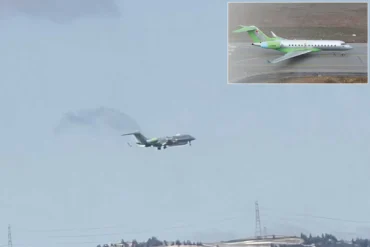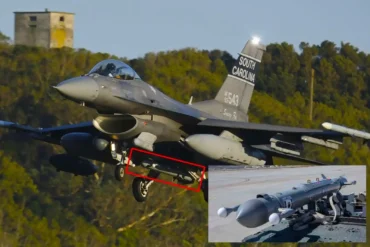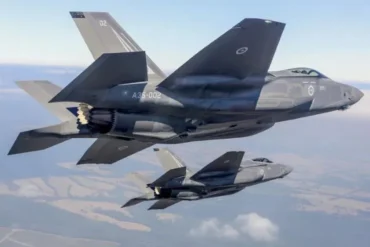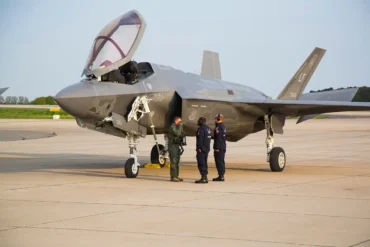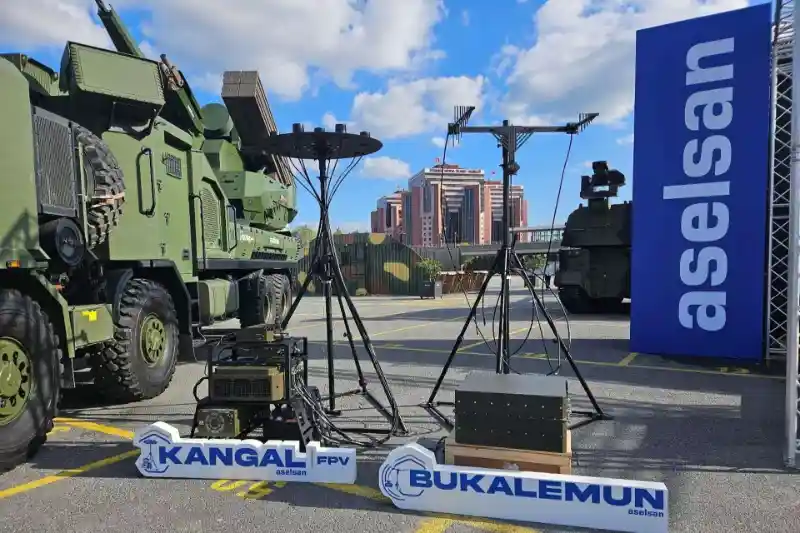
On 19 December 2025, the Republic of Poland took a decisive leap in its national defense modernization by signing a $410 million agreement with Türkiye’s ASELSAN, a globally recognized leader in defense technologies. The pact focuses on the acquisition of electronic warfare (EW) and counter-drone systems, setting the tone for Poland’s intensified emphasis on spectrum dominance, hybrid threat preparedness, and rapid-response capabilities across air, land, sea, and cyber domains.
Strategic Significance of the ASELSAN-Poland Agreement
The agreement, publicly confirmed by both ASELSAN and the Turkish government through the Public Disclosure Platform, represents one of the largest EW-focused defense contracts in Europe to date. The $410 million deal is not merely a bilateral defense export but a testament to how NATO countries are recalibrating their procurement strategies in response to the rising operational relevance of electromagnetic warfare.
Poland’s Ministry of National Defence (MoD) outlined the deal as part of a three-part modernization package, signed in the presence of Deputy Prime Minister Władysław Kosiniak-Kamysz and Deputy Minister Paweł Bejda. The ASELSAN-provided system, described as a Zautomatyzowany System Rozpoznawczo Zakłócający (Automated Reconnaissance and Jamming System), is designed to detect, intercept, and neutralize unmanned aerial systems (UAS) via sophisticated radio-frequency jamming mechanisms.
Electronic Warfare as a Core Defense Doctrine
Poland’s decision to integrate EW capabilities into its national defense posture marks a strategic transformation. Electronic warfare is now seen not as an auxiliary force multiplier but as a core enabler of multi-domain defense operations. The integration of automated jamming, paired with reconnaissance tools, enables Poland to shrink the decision-action loop—an essential advantage when dealing with fast-moving aerial threats like drones.
This move reflects a broader doctrinal shift within NATO, where the electromagnetic spectrum is increasingly acknowledged as an operational domain, akin to land, sea, air, space, and cyber. The Polish MoD emphasized that the ASELSAN system will serve as a precursor to the SAN counter-drone programme, a broader initiative aimed at creating a multi-layered, responsive air defense network.
ASELSAN’s EW and Counter-UAS Capabilities
ASELSAN brings a comprehensive electronic warfare suite to the table, with systems capable of:
- Detection of drone signatures via RF, IR, and radar sensors
- Identification and classification using AI-enhanced signal processing
- Real-time tracking of unmanned threats in various terrains
- Neutralization through directed energy and RF jamming techniques
These capabilities are not only modular but interoperable with NATO C4ISR frameworks, allowing seamless integration into Poland’s existing defense infrastructure.
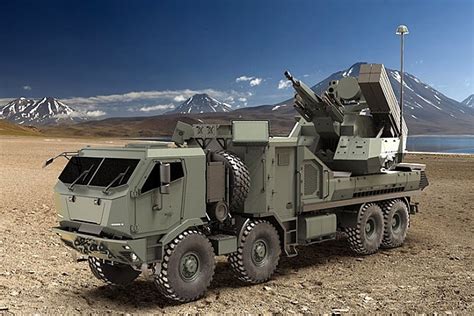
Triad of Modernization: Surveillance, Jamming, and Training
The ASELSAN contract was flanked by two other key agreements, reflecting Poland’s holistic approach:
- Electronic Reconnaissance System from Saab: Enhancing Poland’s ISR (Intelligence, Surveillance, Reconnaissance) abilities, this component builds upon existing efforts like the Delfin radio-electronic reconnaissance ship programme. At least one Delfin-class vessel has already been launched, signaling operational readiness.
- Tank Simulator Procurement: The acquisition of six Leopard 2 PLM1 simulator sets from Autocomp Management, valued at approximately 100 million złoty, underscores Warsaw’s parallel commitment to force readiness and training. Poland currently operates over 250 Leopard tanks, necessitating robust simulation and training infrastructure.
Defense Spending Trends and Regional Implications
At $410 million, the ASELSAN deal represents one of the largest single-line investments in EW by a European state in recent years. It positions Poland as a regional frontrunner in spectrum-based defense systems, with potential implications for Baltic and Eastern European security postures.
This procurement strategy is also geopolitically symbolic. Poland’s selection of a Turkish defense contractor underscores Türkiye’s growing clout in the global defense market. It also signals a diversification trend away from traditional Western suppliers toward new NATO-aligned industrial partners.
Interoperability with NATO Systems and Future Readiness
By choosing ASELSAN, Poland is acquiring systems already tested in real-world conflict environments and adapted for NATO operational standards. ASELSAN’s EW systems are designed to operate within NATO’s Link 16 tactical data links and can be integrated into joint command-and-control architectures.
This ensures that Poland’s newly procured capabilities will not only serve national defense but also contribute meaningfully to collective alliance readiness. As NATO continues to reinforce its eastern flank, the rapid deployment and operability of these systems could prove critical.
Cyber-Electronic Synergy: The Hybrid Threat Landscape
Modern threats are rarely siloed. The convergence of cyber and electronic threats—from GPS spoofing to drone swarms controlled via mesh networks—requires integrated defenses. Poland’s acquisition acknowledges this convergence, embedding EW systems that can operate across the cyber-electromagnetic spectrum (CEMS).
The MoD emphasized that the ASELSAN system would form part of an integrated electronic shield, connecting sensors and shooters across domains. The implication is clear: defense planners are planning for hybrid wars where jamming and spoofing are just as lethal as missiles and tanks.
Export Milestone for Türkiye’s Defense Industry
For Türkiye, the contract is more than a business transaction—it is a strategic export milestone. ASELSAN, backed by the Presidency of Defence Industries (SSB), is at the forefront of Ankara’s ambitious military-industrial expansion.
SSB President Haluk Görgün described the contract as a “major electronic warfare program in Europe”, signaling a new phase of Turkish defense diplomacy. He hinted that another Turkish defense firm is poised to announce an even larger deal within the same procurement cycle, possibly deepening the Ankara-Warsaw defense axis.
Conclusion: A Turning Point for European EW Strategy
The Poland-ASELSAN deal is not merely a procurement transaction. It is a strategic realignment in how electronic warfare is prioritized, operationalized, and integrated into national and alliance-level defense strategies. For Poland, it signifies a paradigm shift toward preemptive spectrum operations. For Türkiye, it affirms the global competitiveness of its defense sector.
As NATO adapts to drone-centric warfare, cyber-electronic convergence, and great-power competition, deals like these are no longer outliers—they are the new normal. The electromagnetic spectrum, once invisible, is now undeniably at the center of modern conflict—and Warsaw has just bought a front-row seat.