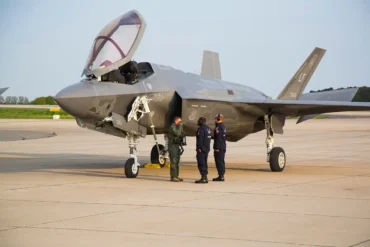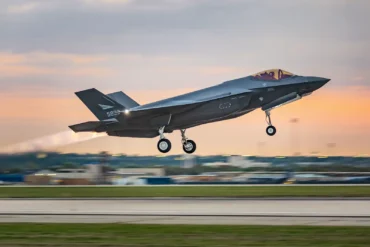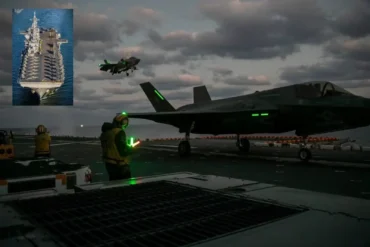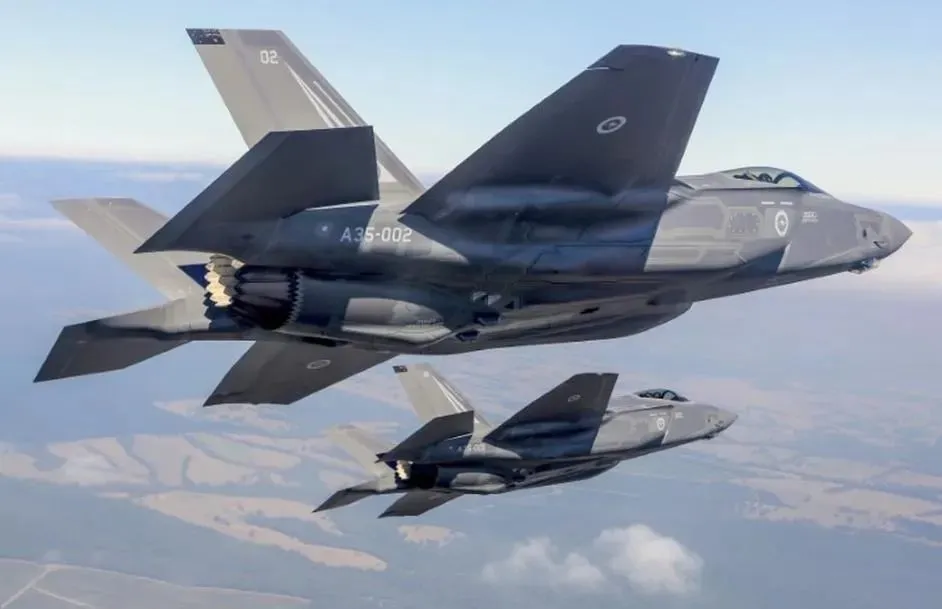
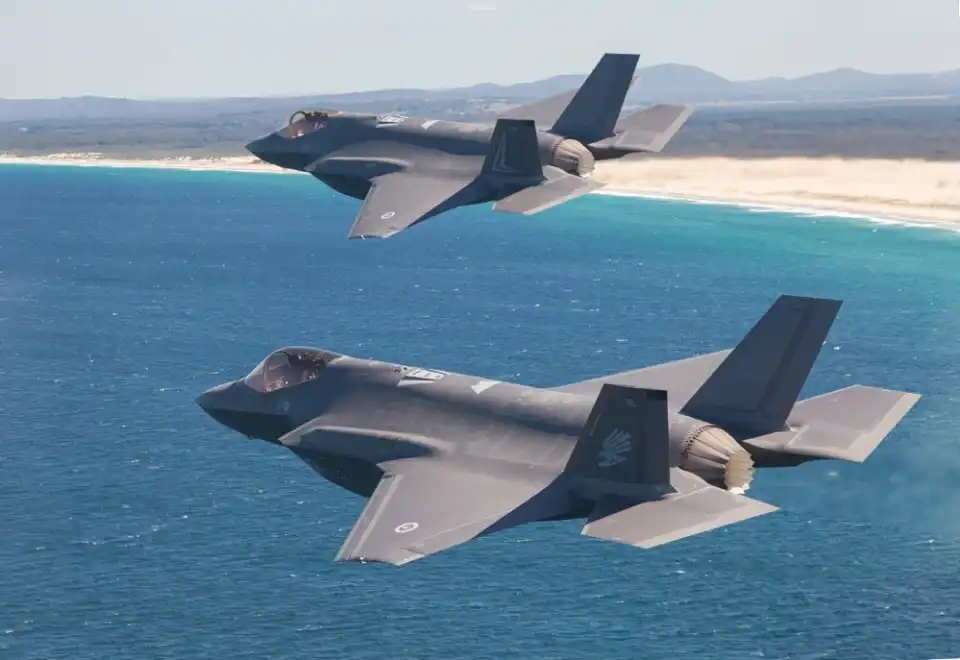
Australia’s adoption of the F-35A Lightning II stealth fighter jet marks a pivotal shift in the country’s defense architecture, aligning national security with emerging geopolitical realities. As of January 2025, the Royal Australian Air Force (RAAF) possesses a full fleet of 72 operational F-35As, making it the largest operator of the fifth-generation fighter in the South Pacific. These aircraft are stationed across No. 3, 75, and 77 Squadrons at RAAF Base Williamtown in New South Wales and RAAF Base Tindal in the Northern Territory, solidifying Australia’s air power projection capabilities across the Indo-Pacific.
The completion of this $17 billion AUD procurement effort, initiated in 2009, underscores Canberra’s long-term vision to integrate seamlessly into a U.S.-led defense posture while preparing for the complex matrix of threats emerging in the Indo-Pacific theater. Beyond advanced stealth and sensor capabilities, the F-35A provides Australia with a technological backbone that enhances both interoperability and strategic deterrence.
Strategic Underpinnings of Australia’s F-35 Acquisition
Australia’s rationale for acquiring the F-35 is rooted in its evolving national security doctrine, which has gradually shifted since 2020. No longer centered around counterterrorism or humanitarian assistance, defense policy now emphasizes conventional state-based threats, primarily in the context of rising regional militarization and China’s assertiveness in contested maritime domains such as the South China Sea.
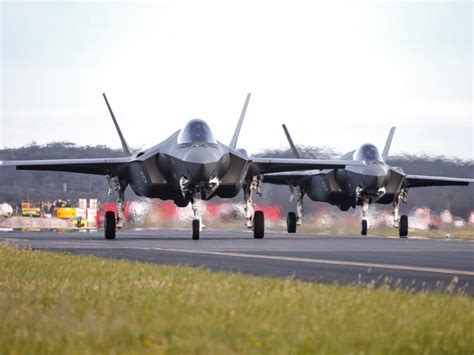
From a geopolitical perspective, the F-35 procurement aligns with the U.S. Indo-Pacific Strategy, where Australia plays a crucial role as a southern anchor to American force projection. The deployment of F-35s enhances Australia’s operational compatibility with U.S. platforms such as the B-2 Spirit and F-22 Raptor, demonstrated in combined exercises like Talisman Sabre and Pitch Black. Such synergy amplifies deterrence while embedding Australia deeper into the Five Eyes intelligence framework and the Quadrilateral Security Dialogue (QUAD) structure.
Operational Capabilities and System Integration
The F-35A Lightning II is not just a fighter jet—it is a multi-role, networked weapons system designed for 21st-century warfare. Its ability to fuse sensor data in real time and distribute battlefield intelligence provides the RAAF with significant tactical and strategic advantage.
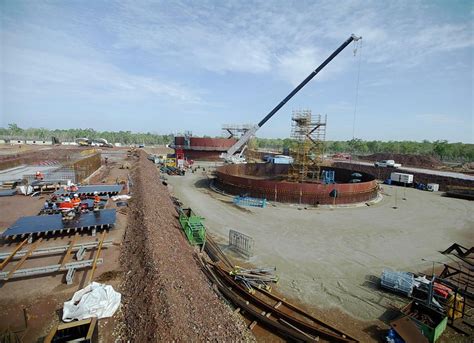
Key infrastructure investments underscore this operational commitment. Australia has allocated over $700 million USD to improve F-35 readiness, including:
- Extended runways at RAAF Base Tindal to accommodate increased flight operations
- Advanced maintenance and hangar systems
- Redundant fuel storage facilities to support sustained deployments
Weapon system enhancements further exemplify the airframe’s warfighting potential. In 2025, the Australian Department of Defence signed a $14.2 million USD contract with Norwegian arms manufacturer Nammo to procure the PGU-47/U APEX ammunition—an armor-piercing incendiary round specifically optimized for the GAU-22/A cannon embedded in the F-35A. This upgrade boosts the aircraft’s lethality in both air-to-air engagements and ground support missions.
The F-35A also operates within a hybrid fleet architecture, alongside the F/A-18F Super Hornet and EA-18G Growler. This pairing enables complementary roles in air superiority, electronic warfare, and long-range precision strike, offering Canberra a layered and flexible approach to force application.
Domestic Controversies and Economic Trade-offs
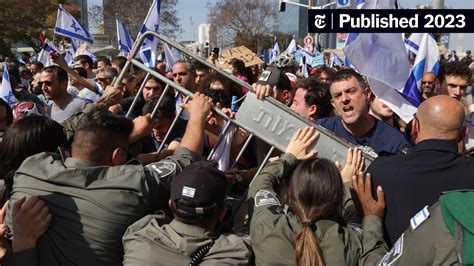
Despite its strategic allure, the F-35 program has sparked considerable domestic debate in Australia. Fiscal critics have consistently questioned whether such a high capital outlay delivers proportional security benefits. A 2014 national poll revealed that 80% of Australians opposed the purchase of 58 jets under an $11.6 billion USD tranche, arguing that the funds would have been better spent on domestic infrastructure, health, or climate resilience.
Furthermore, concerns persist regarding technological sovereignty. Australia’s dependence on U.S.-controlled software, maintenance systems, and supply chains raises critical questions about operational autonomy in the event of geopolitical divergence from Washington. Similar concerns have prompted procurement hesitations in Canada and Portugal. Nonetheless, Australian defense officials remain confident, asserting that embedded fail-safes and bilateral agreements guarantee operational independence for the RAAF fleet.
Regional Security Dynamics and Arms Race Concerns
The deployment of F-35s has not occurred in a geopolitical vacuum. Canberra’s bolstered air power, in concert with enhanced U.S. basing rights in Northern Australia, has intensified strategic anxieties among neighboring states. Critics argue that the integration of advanced U.S. weapons platforms on Australian soil not only solidifies Canberra’s strategic alignment with Washington but also risks escalating regional militarization.
Regional analysts, including those from Beijing’s Academy of Military Sciences, warn that Australia’s F-35s could serve as forward-deployed assets in a Taiwan Strait contingency or during maritime flashpoints in the Philippine Sea. This interpretation positions Australia not merely as a defensive actor, but as an offensive enabler of U.S. power projection, thereby inviting retaliatory countermeasures and potentially destabilizing the regional balance.
Future Expansion and Strategic Calculations
Canberra has signaled its intent to expand the F-35 program further. A proposed procurement of an additional 58 F-35As is being evaluated under a $718 billion AUD (475 billion USD) defense investment strategy. This expansion is part of a broader modernization effort that includes integrated long-range missile systems, such as the Joint Air-to-Surface Standoff Missile (JASSM).
However, this ambition is not without risk. Budget constraints and shifting priorities—such as replacing aging F/A-18A/B Hornets or investing in autonomous drone swarms—pose potential trade-offs. Each decision must weigh the operational benefits of stealth aviation against the multi-domain needs of a 21st-century defense ecosystem.
Moreover, the F-35’s sustainment costs, including parts, training, and software updates, continue to climb. Australia’s defense planners must now navigate a complex balancing act: ensuring the fleet remains cutting-edge, while not eroding funding for cyber warfare, maritime security, or defense innovation initiatives vital to strategic resilience.
Conclusion
Australia’s acquisition and operationalization of the F-35A Lightning II fundamentally reshapes the country’s defense posture. It enhances joint operations with U.S. and allied forces, reinforces Australia’s leadership in the South Pacific, and prepares the nation to confront traditional state threats in an increasingly volatile Indo-Pacific theater. Yet, the initiative also amplifies domestic political tensions, creates budgetary dilemmas, and potentially exacerbates regional instability by reinforcing a U.S.-centric military axis.
Ultimately, the success of the F-35 program will be measured not only by its tactical proficiency but by Canberra’s ability to wield its enhanced capabilities in a balanced, autonomous, and diplomatically sensitive manner that supports regional peace rather than undermines it.
Frequently Asked Questions
What is the total cost of Australia’s F-35 program?
The first-phase acquisition of 72 F-35A aircraft cost approximately $17 billion AUD (or $10.6 billion USD), including infrastructure upgrades, training, and logistics. Future procurement plans could push total investment beyond $700 billion AUD if additional aircraft and support systems are acquired.
Why did Australia choose the F-35 over other fighter jets?
Australia selected the F-35A Lightning II due to its stealth capabilities, advanced sensor fusion, and interoperability with U.S. and allied forces. These features align with Canberra’s strategic emphasis on regional deterrence and network-centric warfare.
Is there any domestic opposition to the F-35 program?
Yes, domestic opposition exists. Critics argue that the funds allocated to the F-35 program could be used for social programs or non-military national security efforts. Concerns also include reliance on U.S. software control and the escalating sustainment costs of the fleet.