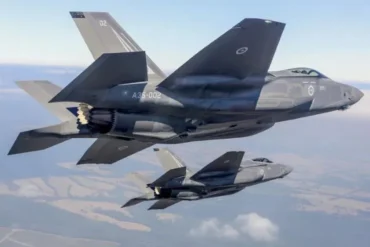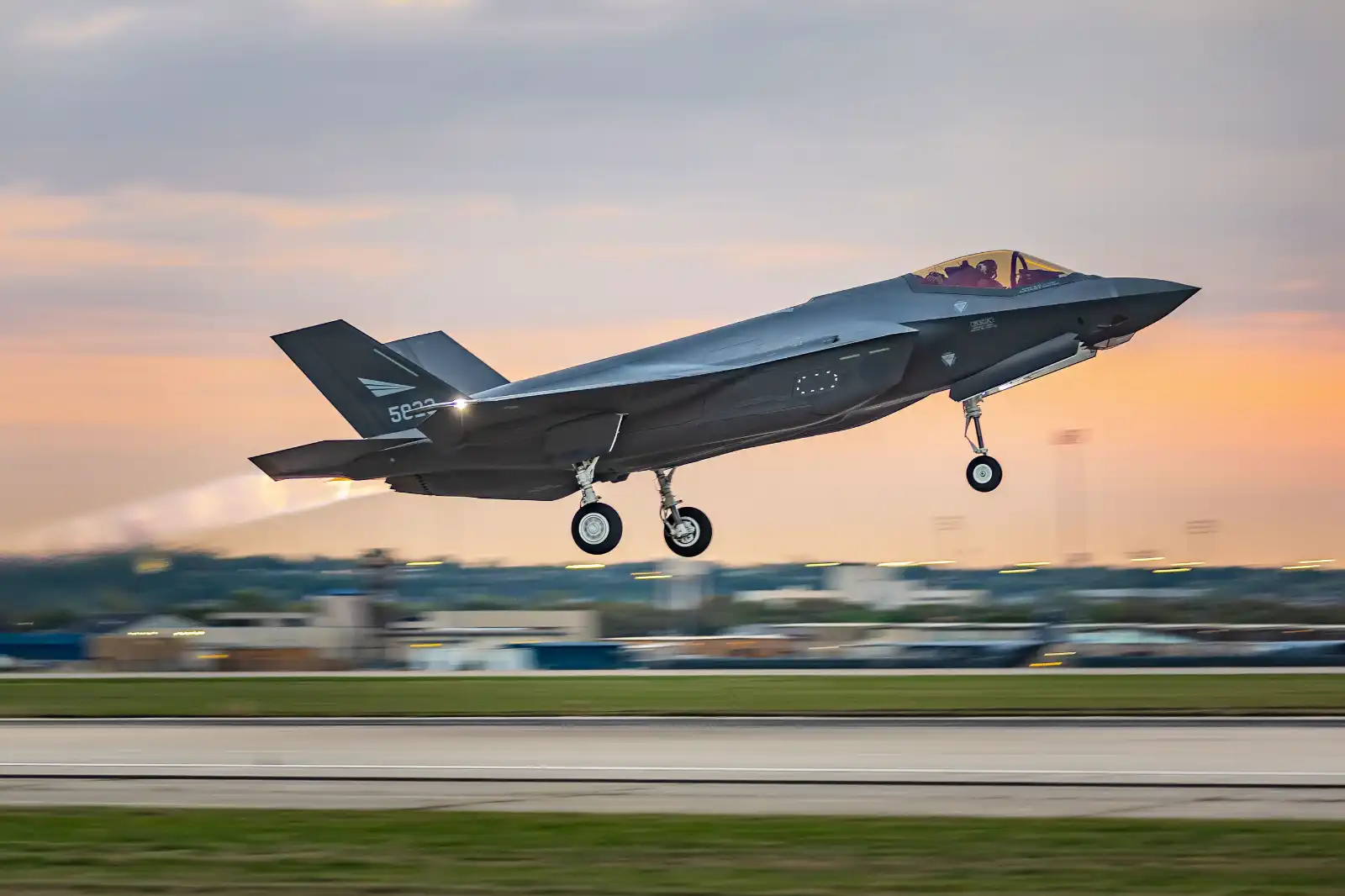
As one of the original partners in the F-35 Joint Strike Fighter (JSF) Program, Norway has emerged as a leading case study in how the fifth-generation multirole stealth fighter transforms not just air power, but national defense doctrine. By April 1, 2025, the Royal Norwegian Air Force (RNoAF) achieved a critical milestone: the receipt of its 51st and 52nd F-35A Lightning II jets, completing the full procurement quota and making Norway the first European nation to field its complete F-35 fleet. This accomplishment underscores both technological ambition and the strategic necessity of maintaining advanced airpower within the increasingly tense Arctic geopolitical environment.
Ørland, Evenes, and Bardufoss: The Triangular Deployment Model
The operational deployment of Norway’s F-35 fleet follows a deliberate tri-base model designed for versatility, climate resilience, and rapid response. The primary base at Ørland, situated in central Norway, serves as the logistical and training hub, with full maintenance infrastructure and day-to-day mission readiness operations.
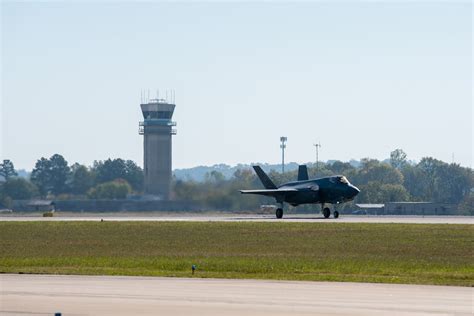
Evenes Air Base, located further north, functions as the forward alert and quick-reaction deployment base, enabling swift interception of foreign aircraft approaching Norwegian or NATO airspace. Its role is particularly significant given the increasing frequency of Russian air activity over the Norwegian and Barents Seas.
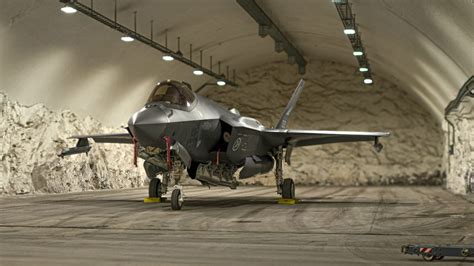
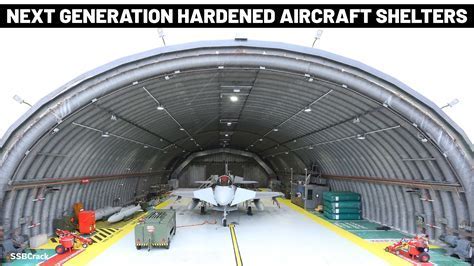
Completing this strategic triangle is Bardufoss, just south of Tromsø and deep within the Arctic Circle. This site has undergone major renovations, including the construction of subterranean hangars, to protect both aircraft and personnel from extreme cold, strong winds, and ice storms. These underground facilities are a unique asset, offering climate insulation and stealth preservation in a region where conventional hangars are vulnerable.
Engineering Arctic Adaptability: Technological Enhancements
Norway’s F-35A fleet differs in key technical details to accommodate the Nordic environment, particularly winter operations. One of the most crucial additions is the removable drag chute system mounted on the aircraft’s tail section. Unlike standard F-35As, the Norwegian variant integrates this module to significantly shorten landing distances on icy or snow-covered runways. This system is manufactured with Kevlar-fiber reinforcement, ensuring durability without compromising the aircraft’s low-observable (stealth) profile.
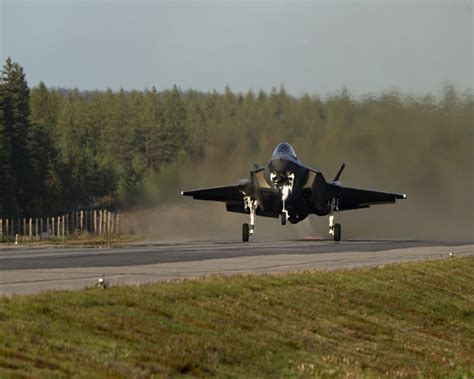
In January 2025, Norway further solidified its role as an innovator in military aviation sustainability by conducting successful flight tests using a 40% biofuel blend, mixed with 60% conventional aviation kerosene. The biofuel initiative aims to reduce dependency on fossil fuels, lower greenhouse gas emissions, and diversify supply chains, particularly important for isolated bases with limited resupply options during winter months.
Strategic Significance: The Arctic and NATO’s Northern Flank
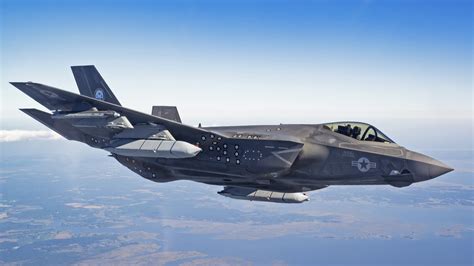
The integration of the F-35A into Norway’s defense structure carries geopolitical weight far beyond its borders. Equipped with advanced sensor fusion, electronic warfare capabilities, and secure multilateral data links, the Norwegian F-35 can operate as a networked force multiplier across NATO’s northern defense perimeter. This capability is amplified through its compatibility with Norway’s domestically developed Joint Strike Missile (JSM), a long-range precision weapon designed for internal carriage within the F-35’s stealth bays.
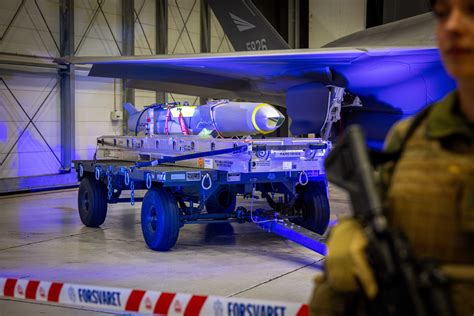
This pairing transforms the platform from a tactical fighter into a strategic deterrent in the Arctic, a region marked by both economic potential (natural gas, shipping routes) and military volatility. As Russian interest in Arctic militarization intensifies, Norway’s ability to project stealth airpower across polar latitudes serves as a stabilizing force within NATO and a first-mover advantage in Arctic aerial dominance.
Operational Challenges: Environment, Logistics, and Personnel
Despite its cutting-edge technology and clear strategic rationale, the operation of F-35s in the far north comes with significant logistical and environmental burdens. Extreme cold, especially during polar winters, causes accelerated wear on stealth coatings, and repeated freeze-thaw cycles degrade composite materials faster than in temperate climates. Maintaining low observable properties becomes cost-intensive, with additional resources needed for thermal management, de-icing, and specialized hangar conditions.
Further complicating operations is the shortage of trained flight personnel and support engineers, exacerbated by the long training cycles required for F-35 mission systems. At remote bases like Bardufoss, aircraft part resupply is hindered by terrain, weather, and distance from central depots. Norway has had to invest in mobile logistics units, pre-positioned inventories, and air-transportable repair shelters to mitigate these constraints.
From Controversy to Competence: Political and Historical Context
Norway’s journey with the F-35 has not been without criticism. In 2008, when the government opted for the F-35 over Sweden’s JAS 39 Gripen, critics pointed to procurement costs and industrial participation imbalances. However, the superior stealth, avionics, and interoperability of the F-35 ultimately swayed defense officials. Notably, the cost of long-term ownership and lifecycle support was projected to be lower than that of the Gripen, making it a more scalable investment for Norway’s defense over a 30-year horizon.
Initial operational capacity faced hurdles. When the first aircraft arrived in 2017, lack of permanent shelters forced crews to store them in inflatable hangar tents, sparking public concern over budget mismanagement and unpreparedness. These missteps triggered parliamentary scrutiny but also accelerated the completion of dedicated hardened hangars at Ørland and Bardufoss by 2020.
Future Outlook: Deepening Integration and Continental Role
Looking ahead, Norway plans to integrate the F-35 more deeply with national command-and-control systems, and with ground and maritime assets. Exercises such as Arctic Challenge and Trident Juncture have demonstrated the platform’s ability to coordinate with ground-based air defenses, naval strike groups, and UAV reconnaissance platforms in complex multi-domain scenarios.
Norway is also positioned to shape the broader European F-35 ecosystem. By 2035, over 600 F-35s are expected to be deployed across Europe, and Norway’s early investment, cold-weather adaptation expertise, and operational lessons make it a model for regional force integration. There is also potential for interoperable logistics and shared maintenance hubs in Scandinavia, increasing cost-efficiency and strengthening joint readiness postures.
Ultimately, the full integration of stealth airpower, Arctic survivability engineering, and renewable fuel experimentation places Norway at the forefront of next-generation military aviation in a region where technological supremacy is as crucial as geographic positioning.
FAQ
Why did Norway choose the F-35 over the Swedish Gripen?
Norway selected the F-35 in 2008 primarily due to its superior stealth technology, sensor fusion, and interoperability with NATO systems. Though the Gripen had lower initial costs, the F-35 offered better long-term value and strategic advantages, especially in joint operations and Arctic defense.
How does Norway’s F-35 differ from other countries’ models?
The Norwegian F-35A includes a tail-mounted drag chute system specifically designed for landing on icy runways, a critical need for operations above the Arctic Circle. It is also a testbed for biofuel usage and integrates with Norwegian-developed missiles like the Joint Strike Missile (JSM).
What challenges does Norway face with F-35 operations?
Operating in the Arctic presents extreme challenges, including rapid stealth coating degradation, logistics delays due to remote locations, and crew shortages due to the high specialization required. Norway mitigates these through underground hangars, mobile maintenance units, and strategic fuel innovation.