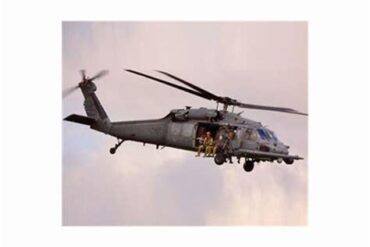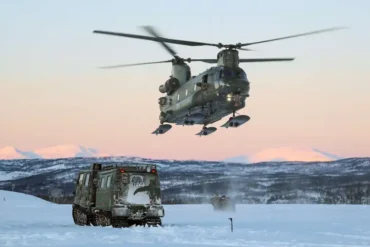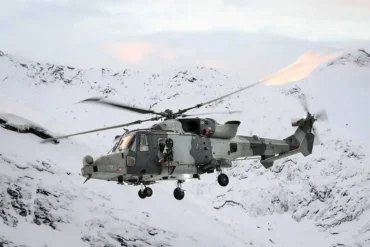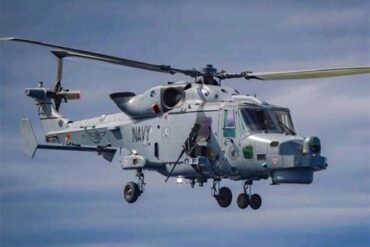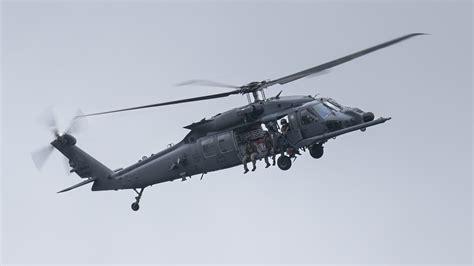
Norway is taking a bold step forward in reinforcing its national defense and search and rescue infrastructure with the acquisition of nine HH-60W Jolly Green II combat rescue helicopters from the United States. This strategic purchase, officially approved by the U.S. State Department and announced by the Defense Security Cooperation Agency (DSCA) on July 11, 2025, is valued at $2.6 billion, making it one of the most substantial foreign military procurement deals in Norway’s recent history.
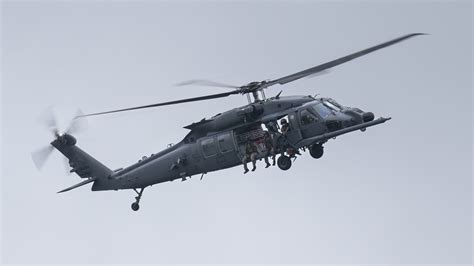
The move underlines Norway’s commitment to modernizing its airborne rescue capabilities, especially in high-risk, high-latitude environments like the Arctic. The HH-60W Jolly Green II, developed by Sikorsky Aircraft Corporation, is a next-generation combat search and rescue helicopter designed to recover isolated personnel in contested airspace. The deal also represents a deepening of U.S.–Norwegian defense ties and further aligns the Royal Norwegian Air Force (RNoAF) with NATO’s evolving operational demands.
HH-60W: The Combat-Proven Evolution of the Black Hawk
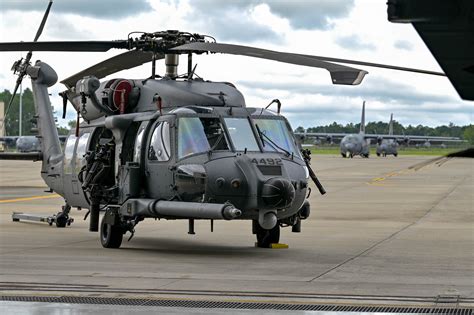
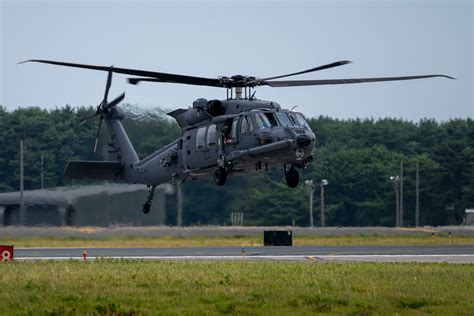
The HH-60W Jolly Green II is a dramatic evolution of the widely respected Black Hawk platform, tailored specifically for personnel recovery in hostile conditions. Powered by two GE T700-GE-701D turboshaft engines, the aircraft delivers robust lift capacity and extended operational endurance. A defining feature is its 660-gallon internal fuel tank—almost double the capacity of the HH-60G Pave Hawk—which allows for extended range operations, crucial in Norway’s vast wilderness and Arctic territories.
In terms of speed and range, the HH-60W reaches top speeds exceeding 150 knots (278 km/h) and boasts an operational range of over 600 nautical miles (1,111 km) with aerial refueling capabilities. These specifications allow the RNoAF to deploy the aircraft into remote or contested zones, day or night, in all weather conditions.
Advanced Survivability and Mission Systems
Survivability in contested airspace is one of the HH-60W’s most defining traits. It comes equipped with AN/APR-52 radar warning receivers, AN/AAR-57 Common Missile Warning Systems, and AN/ALE-47 countermeasures dispensers—all working in tandem to enhance crew survivability against radar-guided and infrared threats. The aircraft also integrates a nose-mounted radar for adverse weather navigation and directional infrared countermeasures for defense against heat-seeking missiles.
The digital cockpit features color multifunction displays, fly-by-wire flight controls, and secure, jam-resistant communication systems, ensuring optimal situational awareness and mission adaptability. Its open systems architecture supports seamless future upgrades and NATO-interoperable systems, allowing smooth integration into multi-national force structures.
Customization for Special Operations and Rescue Missions
Inside, the HH-60W is designed with modular mission configurations, enabling the aircraft to support pararescue teams, medical evacuation kits, or special forces operations. Defensive armament includes side-mounted GAU-21 .50-caliber machine guns, with optional mounts for M240 7.62 mm machine guns, offering formidable suppressive firepower during extraction missions.
Additionally, the U.S.-approved package includes:
- Twenty-two T-700-GE-401 turboshaft engines (including spares)
- Twenty-one Embedded GPS/INS systems, of which three are designated as spares
- IZLID 200P infrared target designators for precision operations
- Mission planning systems and electronic warfare database support
- Classified and unclassified software documentation
- Comprehensive logistics and training packages
This extensive equipment list ensures that Norway receives not only the aircraft but also the tools, systems, and infrastructure to operate and maintain them at full operational readiness.
Strategic Role in NATO and Arctic Operations
The integration of the HH-60W into the Royal Norwegian Air Force is not merely about acquiring new airframes—it is about reinforcing NATO’s collective defense architecture in Northern Europe. As one of NATO’s northernmost members, Norway holds a pivotal position in the security of the Arctic and North Atlantic regions.
The HH-60W’s high-readiness posture aligns with NATO’s goals for rapid response and operational resilience. With these helicopters, Norway can rapidly deploy for casualty evacuation, combat search and rescue, or special operations support, enhancing its ability to project power and conduct humanitarian operations under crisis conditions.
Enhancing Norway’s National Resilience and Civilian SAR
While the HH-60W is optimized for combat scenarios, its capabilities also offer tremendous value in civilian search and rescue (SAR). Norway’s rugged geography and often unforgiving weather make aerial SAR operations a critical component of national emergency response. With their extended range, payload flexibility, and robust defensive systems, the HH-60Ws are ideally suited to operate in mountainous terrains, over open water, and in sub-zero conditions, where traditional aircraft might falter.
The acquisition also supports the dual-use nature of Norwegian defense procurement, ensuring that military assets can serve both national security and humanitarian missions. From recovering downed aircrew in contested zones to extracting injured civilians from remote avalanche-struck villages, the HH-60W represents a mission-flexible platform suited for Norway’s unique landscape.
Industrial and Training Benefits to Norway
Beyond operational enhancements, the acquisition will involve significant collaboration between Norwegian defense entities and U.S. industry partners. This collaboration will include training Norwegian pilots and maintainers, integrating the HH-60Ws into existing logistics frameworks, and providing technical engineering support throughout the aircraft’s lifecycle.
Such cooperation not only strengthens interoperability but also deepens the strategic partnership between Norway and the United States. It sets the groundwork for future defense acquisitions and co-development efforts, especially in areas such as airborne ISR (Intelligence, Surveillance, and Reconnaissance), rotary-wing sustainment, and next-generation aviation platforms.
Conclusion: More Than a Helicopter—A Strategic Asset
The HH-60W Jolly Green II is more than a technological upgrade—it is a strategic asset that embodies Norway’s commitment to protecting its forces, supporting its allies, and ensuring national and regional stability. Its deployment will have wide-ranging implications, not only for military operations but also for civilian crisis response, Arctic readiness, and transatlantic defense cooperation.
Norway’s decision to invest $2.6 billion into these helicopters reflects an understanding of the evolving security environment and the need for platforms that can operate where others cannot. Whether navigating the icy expanses of the Arctic or flying under fire in NATO operations, the HH-60W ensures that Norway remains ready, resilient, and responsive—leaving no one behind.