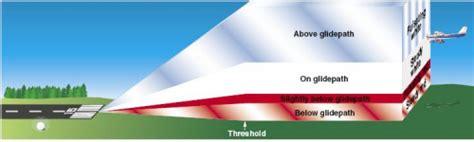
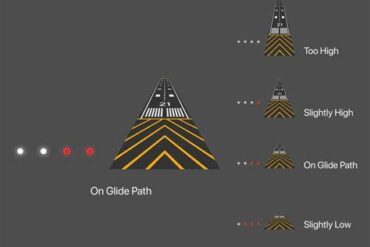
The Pulse Light Approach Slope Indicator (PLASI) serves as a helpful visual aid during flight conditions. It guides pilots in executing a smooth and stabilized approach to a runway or helipad. Positioned near the intended touchdown area, it works similarly to a Precision Approach Path Indicator (PAPI). During the day, a PLASI system can be effective up to 5 nautical miles, while at night, this range extends to 20 nautical miles. When a pilot is on the correct vertical path, a steady white light is visible. If the aircraft is above the ideal glide slope, the white light will flash. Conversely, if below the slope, a steady red light indicates the need for adjustment. Should the aircraft descend too low, this red light will begin to flash as a warning. PLASI systems can be configured for both fixed-wing and rotary-wing approaches, making them versatile tools in aviation.