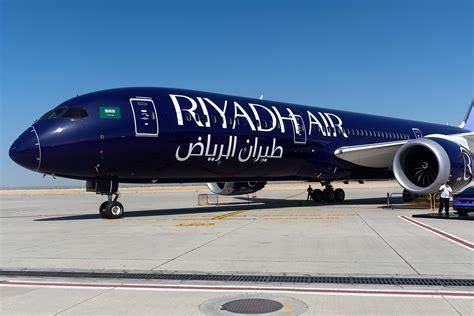
Riyadh Air has taken a major step toward launching flights to the United States, signaling the next phase of Saudi Arabia’s ambitious aviation expansion strategy. The airline formally applied to the US Department of Transportation for a foreign air carrier permit and exemption authority, a move that confirms nonstop services between Riyadh and the United States are no longer speculative—they are part of an active long-term plan.
The application arrives as Riyadh Air accelerates preparations to become one of the Middle East’s most influential premium airlines. Backed by Saudi Arabia’s Public Investment Fund, the carrier is central to the Kingdom’s Vision 2030 strategy, which aims to diversify the economy, boost tourism, and position Riyadh as a global transportation hub connecting Europe, Asia, Africa, and North America.
Although the airline has not publicly revealed its first American destinations, the market signals are already pointing toward several likely candidates.
Riyadh Air Wants To Build A Global Network Fast
Riyadh Air’s growth ambitions are unusually aggressive for a startup airline. The carrier has stated that it wants to serve more than 100 destinations by the end of the decade, placing it into direct competition with established Gulf giants such as Emirates, Qatar Airways, and Etihad Airways.
So far, confirmed destinations include London, Madrid, Manchester, Dubai, Cairo, and Jeddah. However, these routes represent only the opening stage of a much broader international strategy designed around long-haul connectivity.
The airline intends to operate its future US services using Airbus A350-1000 aircraft, one of the most advanced widebody jets currently in production. With exceptional range, lower fuel burn, and a strong premium cabin configuration, the A350-1000 is particularly suited for ultra-long-haul flights between Riyadh and major North American cities.
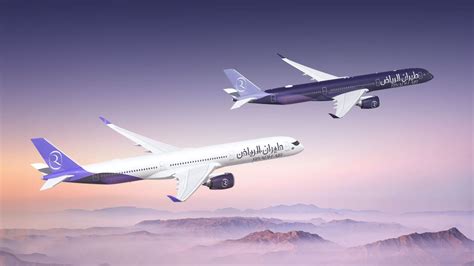
Riyadh Air’s entry into the US market is especially important because North America remains one of the world’s most profitable long-haul aviation regions. Business travelers, premium leisure passengers, government traffic, and connecting passengers to Asia all create strong revenue opportunities.
At the same time, Saudi Arabia is investing heavily in tourism infrastructure, luxury resorts, entertainment projects, and international events. The Kingdom wants to dramatically increase inbound visitor numbers over the next decade, and direct flights from the United States are essential to achieving that goal.
New York JFK Could Become Riyadh Air’s Flagship US Route
Among all potential American destinations, New York JFK appears to be the strongest candidate for Riyadh Air’s first US service.
JFK already serves as a critical gateway for Middle Eastern airlines because of its massive international demand, premium passenger traffic, and extensive global connectivity. Saudia currently operates flights to New York, proving there is already an established Saudi-US market.
For Riyadh Air, launching JFK service would immediately elevate its global profile. The route would attract corporate travelers, diplomats, tourists, and transit passengers connecting through Riyadh to destinations across South Asia, Southeast Asia, and Africa.
New York also offers enormous branding value. Gulf airlines have historically used JFK as a showcase market where premium cabin quality, onboard service, and luxury branding receive maximum international visibility.
Given Riyadh Air’s emphasis on becoming a high-end carrier, a New York launch would fit perfectly with its broader positioning strategy.
Washington Dulles Is A Strong Diplomatic And Government Market
Washington Dulles International Airport is another highly likely destination.
Saudi Arabia maintains deep political, diplomatic, and economic ties with the United States, making Washington one of the most strategically important markets outside pure tourism demand. Saudia already serves Dulles, demonstrating consistent passenger traffic linked to embassies, government institutions, and business travel.
Riyadh Air could use Washington service to strengthen its premium corporate travel credentials while simultaneously attracting connecting passengers across the eastern United States.
The route would also reinforce Saudi Arabia’s broader international presence at a time when the Kingdom is increasing investment partnerships and political engagement with Western economies.
Unlike purely leisure-oriented destinations, Washington offers year-round demand stability. That makes it especially attractive for a startup airline seeking reliable long-haul profitability during its early expansion years.
Atlanta Could Benefit From Riyadh Air’s Delta Partnership
One of the clearest clues regarding Riyadh Air’s US ambitions may already exist through its relationship with Delta Air Lines.
Delta has announced plans for nonstop flights between Atlanta and Riyadh, creating speculation that Riyadh Air may eventually launch reciprocal operations or deeper codeshare cooperation through Delta’s massive Atlanta hub.
Atlanta is the busiest airport in the world and provides unmatched domestic connectivity throughout North America. For Riyadh Air, partnering with Delta would instantly give passengers seamless access to hundreds of destinations across the United States.
That kind of connectivity is crucial for a new international airline entering the competitive American market. Rather than relying solely on point-to-point demand, Riyadh Air could funnel travelers from dozens of US cities through a single gateway before connecting onward via Riyadh.
The strategy closely mirrors how Emirates partnered with JetBlue and how Qatar Airways expanded through American Airlines relationships.
Chicago, Los Angeles, And Dallas Also Fit Riyadh Air’s Strategy
Beyond the obvious East Coast gateways, several additional US cities align naturally with Riyadh Air’s long-haul network ambitions.
Chicago O’Hare remains one of America’s most important international hubs and has strong Middle Eastern and South Asian travel demand. The city’s central geographic position also makes it useful for domestic connections.
Los Angeles represents another major opportunity thanks to its large premium travel market, entertainment industry links, and substantial international passenger base. Flights between Saudi Arabia and California could become increasingly valuable as tourism and investment relationships expand.
Dallas-Fort Worth also stands out because of its enormous connecting network and strong corporate travel sector. Gulf carriers have increasingly targeted Texas due to its growing business economy and large long-haul passenger volumes.
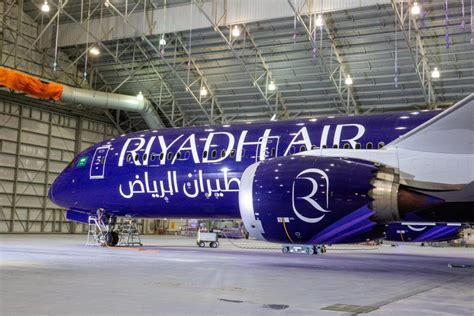
While Riyadh Air has not confirmed any of these destinations, each fits the airline’s likely strategy of combining premium demand with global connectivity potential.
Riyadh Air Is Entering One Of Aviation’s Toughest Competitive Markets
Launching flights to the United States is not simply about adding new routes. Riyadh Air is entering one of the world’s most competitive premium aviation corridors.
Emirates, Qatar Airways, and Etihad have spent years building loyal customer bases across North America. These airlines are known for luxurious cabins, extensive networks, and aggressive expansion strategies.
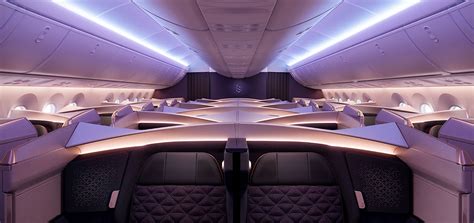
Riyadh Air must therefore differentiate itself quickly. The airline’s branding, aircraft interiors, onboard technology, and customer experience will all play major roles in determining whether it can compete successfully against established Gulf rivals.
Still, Riyadh Air possesses several advantages. Saudi Arabia’s enormous financial backing provides stability, while Riyadh’s geographic position offers efficient one-stop connectivity between North America and many emerging global markets.
As more aircraft arrive and regulatory approvals move forward, the airline’s first US route announcement is beginning to feel less like a distant possibility and more like an imminent reality.