Romania’s Transition to the F-16 Fighter Jet
Phasing Out Soviet-Era Aircraft
Romania has undergone a significant transformation in its air force capabilities over the past two decades. Previously relying on the Soviet-designed MiG-21, Romania sought to modernize its fleet and align with NATO standards. The shift began in the 2000s, with a clear objective of replacing aging aircraft with Western models.
Acquisition of F-16 Fighters
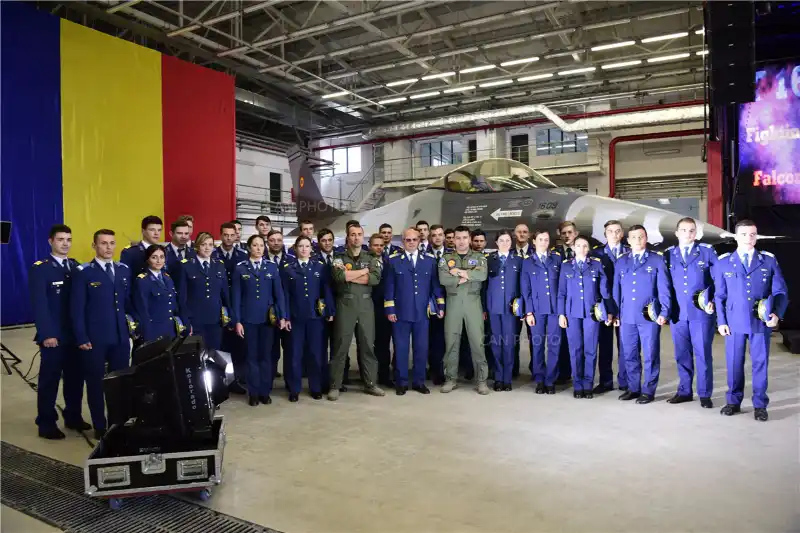
In 2008, Romania signed an agreement with Portugal to acquire 12 second-hand F-16A/B fighter jets. These aircraft, originally part of the Portuguese Air Force, underwent necessary refurbishments before delivery. By 2017, Romania had received its full batch of F-16s, marking a crucial step in its air force modernization.
Mid-Life Upgrades and Performance Enhancements
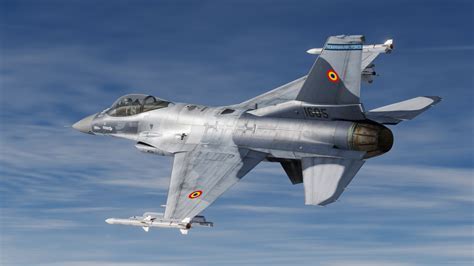
The F-16A/B models delivered to Romania were not standard variants but had undergone a Mid-Life Upgrade (MLU), similar to the modifications made by Denmark on its fleet before selling F-16s to Argentina. These upgrades enhanced avionics, radar systems, and overall operational capability, bringing them close to the performance of the F-16C/D Block 50 variant. This modernization effort allowed Romania to extend the service life of these aircraft and maintain operational readiness.
Intercepting Russian Aircraft: Romania’s NATO Role
Recent Interception Incidents
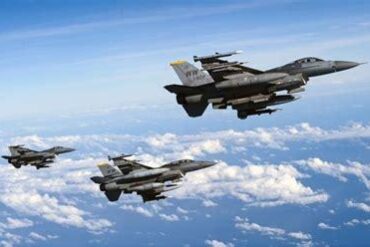
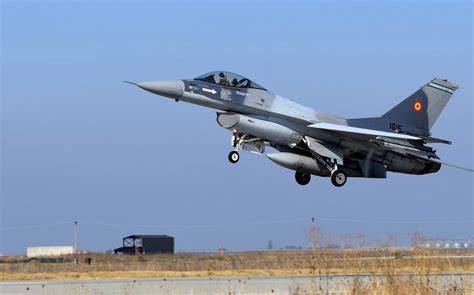
Romanian F-16s have played an active role in defending NATO airspace, particularly along the alliance’s eastern flank. Notable incidents include multiple interceptions of Russian Su-27 fighter jets near NATO airspace in April and June 2023. One of the most significant events occurred on April 7, 2023, when Romanian F-16s were deployed over the Baltic Sea to intercept two Russian aircraft operating near NATO airspace.
Geopolitical Implications
These interceptions are not just military actions but also hold strong geopolitical significance. As a NATO member, Romania is fulfilling its obligations under the alliance’s collective defense framework. However, this has sparked controversy, with some European analysts arguing that Romania’s reliance on U.S. military support risks escalating tensions with Russia.
Military Cooperation with Ukraine
Strategic Deployment of F-16s
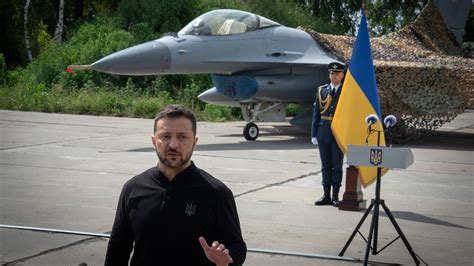
In June 2024, reports surfaced that Romania had agreed to allow Ukraine to station part of its future F-16 fleet at Romanian airbases. This move is designed to ensure Ukraine’s air force retains operational capability without the immediate risk of Russian strikes on Ukrainian territory. These aircraft would remain stationed in Romania during peacetime and conduct missions in Ukraine when necessary.
Russian Response and Potential Risks
Moscow has strongly condemned this decision, warning that any F-16s taking part in combat operations against Russian forces would make their host bases—including those in Romania—legitimate military targets. This raises concerns about the potential for direct military escalation between Russia and NATO.
Romania’s Shift in Military Strategy
From Soviet to Western Defense Systems
Romania’s decision to replace MiG-21s with F-16s is part of a broader military transition towards Western weaponry. Since 2008, Romania has systematically phased out its Soviet-era aircraft and adopted U.S. and NATO-standard weapon systems. This shift is viewed as a geopolitical realignment, reinforcing Romania’s strategic ties with NATO and the United States.
Dependence on U.S. Military Support
Maintaining an F-16 fleet requires extensive logistical and technical support. Romania’s fleet relies heavily on American-supplied spare parts, maintenance, and ammunition. This dependency underscores Romania’s strategic alliance with the United States but also highlights its vulnerability in terms of independent military sustainability.
Capabilities and Limitations of Romania’s F-16 Fleet
Performance Specifications
The F-16A/B jets in Romania’s air force are classified as lightweight, multirole fighters. Key specifications include:
- Radar: AN/APG-66, providing advanced target tracking.
- Weapons: AIM-120 AMRAAM missiles for beyond-visual-range combat.
- Payload Capacity: Approximately 6,800 kg of weaponry, including air-to-air and air-to-ground munitions.
- Operational Range: While effective for regional defense, its range is limited compared to modern Russian counterparts.
Limitations Compared to Russian Fighters
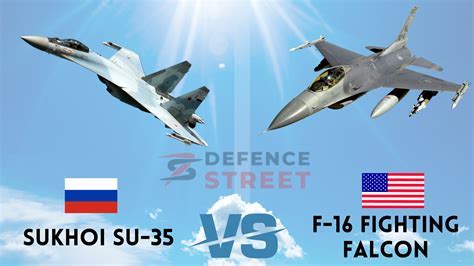
Despite its capabilities, the Romanian F-16s face challenges when compared to advanced Russian aircraft such as the Su-35. Major drawbacks include:
- Inferior Radar Range: The AN/APG-66 radar has a shorter detection range compared to the Su-35’s Irbis-E radar.
- Weaker Electronic Warfare Systems: Lacks the advanced jamming capabilities of newer-generation fighters.
- Shorter Combat Radius: Requires NATO air refueling support for extended missions.
Future Prospects for Romania’s Air Force
Potential Acquisition of F-16V or F-35
To further enhance its air force, Romania has considered acquiring the F-16V (Viper), the most advanced variant of the F-16 series. Featuring an APG-83 AESA radar, improved avionics, and better electronic warfare systems, the F-16V would significantly boost Romania’s air defense capabilities.
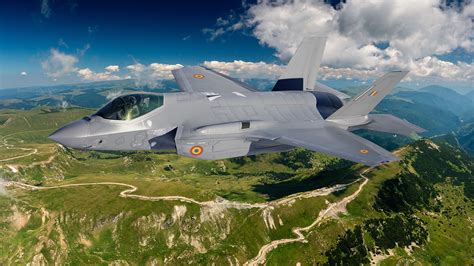
Additionally, Romania is exploring the possibility of joining the F-35 program, following the path of other NATO allies like Poland. The introduction of fifth-generation aircraft would provide Romania with stealth capabilities and next-generation warfare technology.
Conclusion
Romania’s adoption of the F-16 has reshaped its air force, aligning it with NATO’s strategic objectives while enhancing regional security. These aircraft play a crucial role in intercepting Russian threats, supporting Ukraine, and strengthening Romania’s military presence. However, the geopolitical risks remain high, particularly with increasing tensions between NATO and Russia. Future developments, such as acquiring F-16V or F-35 jets, will determine Romania’s role in European air defense for years to come.
Frequently Asked Questions (FAQ)
1. Why did Romania choose F-16s instead of other fighter jets?
Romania opted for F-16s due to their affordability, NATO compatibility, and availability from allied countries such as Portugal and the United States. The aircraft provide a balance of performance and cost-effectiveness.
2. How does Romania maintain its F-16 fleet?
Romania relies on U.S. military assistance for spare parts, maintenance, and pilot training. The country’s defense infrastructure includes cooperation with NATO partners for technical and logistical support.
3. Will Romania upgrade to F-35s in the future?
Romania has expressed interest in acquiring F-35 stealth fighters, but no official procurement has been finalized. The decision will depend on budget constraints, NATO strategic alignment, and long-term defense planning.