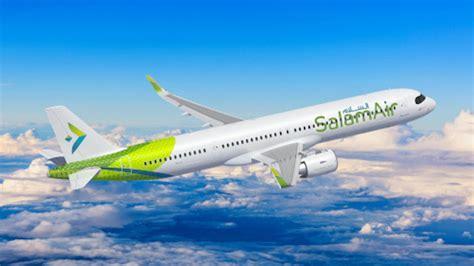
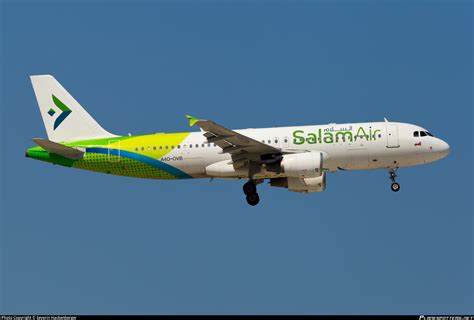
SalamAir has elevated regional connectivity with the introduction of its first-ever direct flights between Muscat and Beirut, launched on December 3, 2025. This new route marks a significant milestone for the airline, which is known for its cost-effective travel solutions, as it seeks to provide passengers with an affordable and convenient option in a region where such services have been scarce. By re-establishing this once-popular link, SalamAir aims to cater to the needs of both the Lebanese diaspora and the growing number of Omanis interested in exploring Lebanon.
The launch of the Muscat-Beirut service is more than just a new flight; it aligns closely with Oman’s broader economic development strategy encapsulated in the Oman Vision 2040 initiative. This comprehensive plan emphasizes tourism and logistics as key pillars of growth, aiming to transform Muscat into a vital hub for travel and trade. The introduction of these flights is a direct response to the objectives outlined in the government’s Tanfeedh programme, which seeks to promote sustainable economic diversification.
SalamAir’s CEO, Adrian Hamilton-Manns, remarked, “The launch of Beirut to our network is more than just an add-on route; it’s a further validation of our strategy to bridge gaps between people, destinations, and ambitions.” This sentiment underscores the airline’s commitment to enhancing connectivity and facilitating travel for the Lebanese community in Oman, as well as boosting tourism in the Middle East.
Route Details and Passenger Options
Commencing on December 3, 2025, the Muscat-Beirut flights will operate twice weekly, providing flexible travel options for weekend getaways. The carefully curated schedule ensures that operations remain sustainable and responsive to demand without compromising service quality. Here are some key details about the route:
- Origin: Muscat International Airport (MCT)
- Destination: Beirut–Rafic Hariri International Airport (BEY)
- Frequency: Twice weekly
- Carrier: SalamAir – Oman’s rapidly expanding value-for-money airline
- Booking: Available via www.salamair.com and the SalamAir mobile app
Passengers will benefit from SalamAir’s “Lite Fares”, which allow for a customizable travel experience. This modular approach enables travelers to select additional services such as baggage, meals, and seat selection, aligning with the airline’s focus on affordability. In a region dominated by full-service carriers, SalamAir offers a refreshing alternative that prioritizes budget-conscious travelers.
Strengthening Bilateral and Community Ties
The introduction of direct flights between Muscat and Beirut is particularly significant for the thousands of Lebanese expatriates living and working in Oman. For years, the lack of direct routes has made travel cumbersome and costly, often requiring multiple layovers. H.E. Albert Samaha, the Ambassador of Lebanon to Oman, expressed his enthusiasm for the new service, stating, “The direct route is long awaited. It enhances what we share in common. The two countries have a long historical relationship, and this new connection will not only link communities but also strengthen our past ties.”
This renewed accessibility is expected to foster closer relationships between the two nations, allowing families and friends separated by distance to reunite more easily. The potential for enhanced cultural exchange and economic collaboration cannot be overstated, as direct flights pave the way for greater interaction between Omani and Lebanese citizens.
Beirut: A Vibrant Destination for Travelers
Beirut, a city renowned for its rich history and vibrant culture, continues to attract travelers from across the region. This new route provides Omani holidaymakers with unparalleled access to a city teeming with diverse experiences. Visitors can explore:
- The lively café scene in neighborhoods like Hamra and Gemmayzeh
- Historic monuments including Baalbek, Byblos, and Sidon
- The picturesque ski slopes of Faraya during winter
- The stunning beaches along the shores of Tyre and Batroun
With a flight time of just a couple of hours, Beirut presents an ideal getaway for Omanis seeking a weekend or extended vacation in the sun. The city’s eclectic mix of ancient history, modern attractions, and culinary delights makes it a must-visit destination for regional travelers.
Expanding SalamAir’s Impact on Regional Aviation
The launch of the Muscat-Beirut route signifies SalamAir’s commitment to redefining regional air travel. By addressing underserved routes and employing a lean, cost-efficient operational model, the airline is successfully filling gaps left by larger legacy carriers. This new addition to SalamAir’s growing network—now spanning the Gulf, South Asia, East Africa, and the Eastern Mediterranean—demonstrates a larger mission to democratize air travel in the region.
As SalamAir continues to expand its operations, it plays a crucial role in positioning Oman as a transit and tourism powerhouse. The airline’s focus on affordability and accessibility not only benefits travelers but also contributes to the broader economic landscape of the region.
Looking Ahead: Strategic Regional Connectivity
In today’s interconnected world, air connectivity serves as a vital conduit for economic growth, cultural diplomacy, and personal connections. The Muscat-Beirut route represents more than just a line on a map; it symbolizes a lifeline for communities and a catalyst for shared prosperity. By linking Oman and Lebanon for the first time through direct flights, SalamAir is not merely selling seats; it is facilitating human connections, fostering cultural exchanges, and enabling businesses to thrive.
In conclusion, SalamAir’s new direct flights from Muscat to Beirut stand as a testament to the evolving landscape of air travel in the Middle East. With a focus on affordability, community connection, and regional integration, this route is poised to enhance travel opportunities for countless individuals while boosting tourism in Lebanon. As the airline continues to innovate and expand, the future of air travel in the region looks bright.