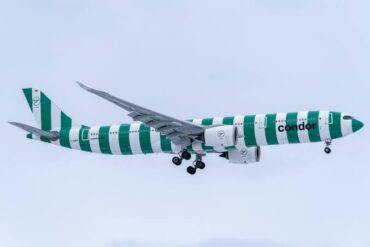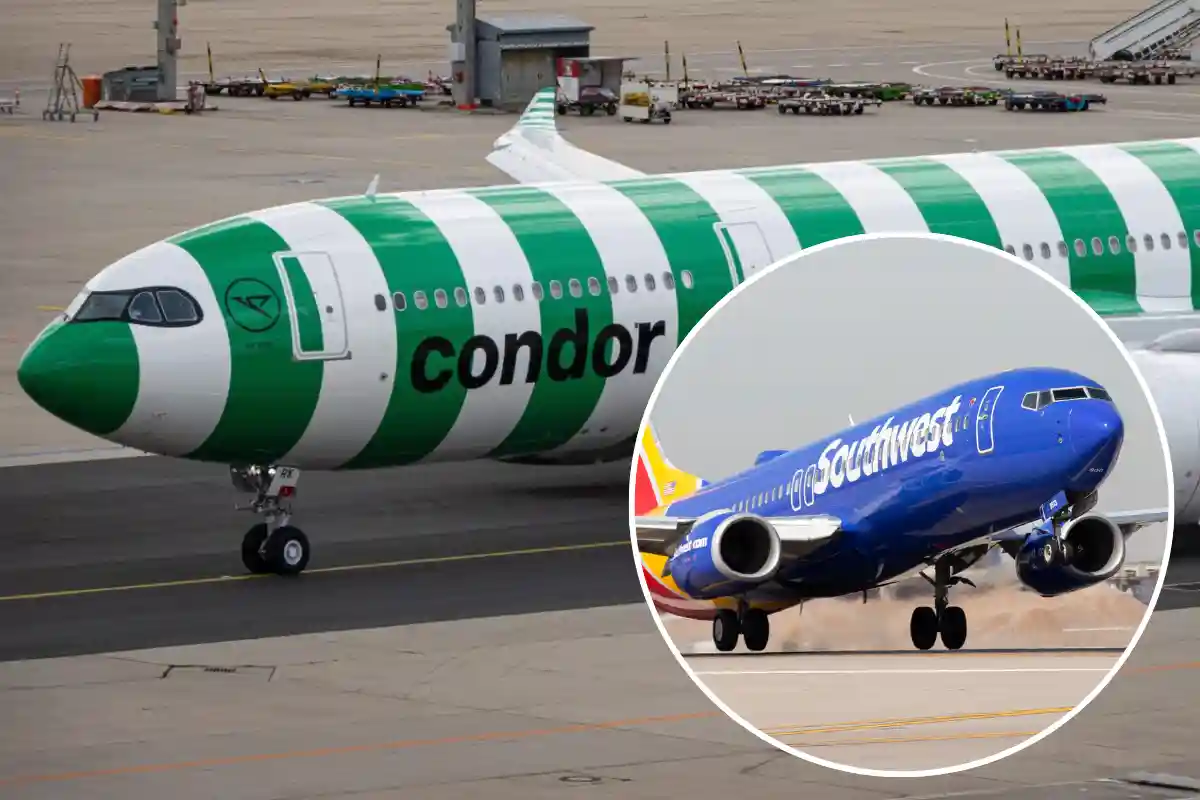
Southwest Airlines has confirmed a major strategic shift in its evolving network strategy with a newly signed interline partnership with Condor, the German leisure carrier known for its expanding long-haul presence and modernized fleet. Beginning in January 2026, this agreement enables seamless bookings across both networks, opening a new transatlantic channel for Southwest customers and strengthening Condor’s reach across the United States.
The partnership marks another deliberate step in Southwest’s transformation as it adapts to a hyper-competitive U.S. aviation market. For decades the airline maintained a fiercely independent model, yet its recent series of international alliances — spanning carriers such as Icelandair, China Airlines, EVA Air, and Philippine Airlines — signals a broad rethinking of its long-term strategy.
Under the new arrangement, passengers will be able to book single-itinerary journeys connecting Southwest’s domestic network with Condor’s flights to Frankfurt and beyond. Six Southwest gateways — Boston, Las Vegas, Los Angeles, Portland, San Francisco, and Seattle — will serve as the primary connection points. Travelers receive a single boarding pass, with checked baggage transferred through to the final destination.
This added simplicity is a major competitive advantage, especially in an era where premium leisure travel demand continues to surge. While Southwest does not operate widebody aircraft and has no long-haul flying of its own, the interline deal allows the carrier to extend its value proposition to international destinations without altering its core fleet or operations.
How Condor Benefits From Southwest’s Domestic Strength
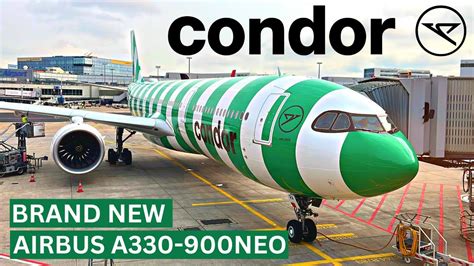
Condor — long known for its leisure-centric transatlantic network — has been aggressively repositioning itself as an alternative to Lufthansa by upgrading its fleet with Airbus A330-900neos and refreshing its cabin product. The airline currently serves nine U.S. destinations, though three of these (Anchorage, Miami, and New York JFK) fall outside the scope of the Southwest partnership due to limited or nonexistent Southwest presence.
Southwest becomes Condor’s fourth U.S. partnership, joining existing collaborations with Alaska Airlines, JetBlue, and Sun Country Airlines. The new link is particularly advantageous in the West Coast and Southwest regions, where Southwest holds dominant market share. Cities such as Las Vegas, Portland, Seattle, Los Angeles, and San Francisco are already key nodes in Condor’s U.S. network, and connecting them with Southwest’s high-frequency domestic footprint significantly broadens Condor’s access to secondary and tertiary markets.
This alignment also provides Condor with a counterweight to Lufthansa’s transatlantic joint venture with United Airlines and Air Canada — a powerful alliance that traditionally funnels U.S.–Europe leisure and corporate traffic to Lufthansa’s network. By building a broader coalition of U.S. partners, Condor enhances its competitiveness and strengthens its presence far beyond Frankfurt.
A Transformation Underway at Southwest Airlines
Southwest’s move to deepen its international connectivity is part of its sweeping business model overhaul — perhaps the most significant transformation since its early low-cost carrier days. The airline has been introducing new technologies, updating operations, and pursuing new alliance models to better position itself in a market increasingly defined by premium leisure demand and international travel growth.
Interline agreements, while less robust than codesharing or revenue-sharing partnerships, form the foundation for more integrated cooperation. Southwest’s early partnership with Icelandair, which began with service through Baltimore, has already expanded to include Denver, Nashville, Orlando, Pittsburgh, and Raleigh-Durham — demonstrating the airline’s willingness to scale these arrangements once operationally validated.
With Condor now added to its roster, Southwest holds partnerships with five foreign carriers across Europe and Asia. These alliances give Southwest customers access to far-reaching destinations without requiring changes to its single-fleet 737 model, while earning additional loyalty by offering expanded travel options.
A Strategic Step Toward a Wider Global Network
The Condor partnership positions Southwest to capture more of the lucrative international leisure segment by acting as the U.S. domestic feed for transatlantic traffic. For Condor, the agreement broadens market access at a time when competition with Lufthansa is intensifying.
As Southwest continues expanding its partner network and Condor strengthens its transatlantic strategy, this collaboration represents a notable shift in the evolving global airline landscape — one where flexibility, connectivity, and strategic alliances increasingly shape how carriers compete and grow.