Southwest Airlines has embarked on a bold new chapter in aviation safety, introducing a cutting-edge system designed to prevent critical pilot errors during the most vulnerable phases of flight—takeoff and landing. In an era where human error remains one of the leading contributors to aircraft incidents, this initiative signals a proactive, tech-forward stance in bolstering flight operations.
SmartRunway and SmartLanding: The New Digital Co-Pilot
At the heart of Southwest’s initiative are Honeywell’s SmartRunway and SmartLanding systems, sophisticated software upgrades that operate as real-time guardians in the cockpit. These systems are embedded within Honeywell’s Enhanced Ground Proximity Warning System (EGPWS), which already serves as an industry benchmark for terrain awareness and alerting capabilities.
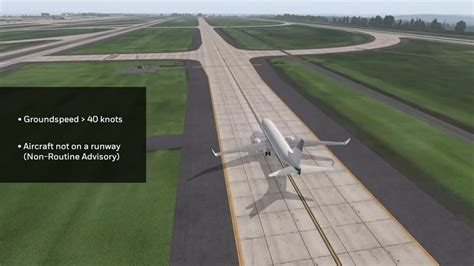
SmartRunway continuously monitors aircraft approach paths, comparing position and velocity with database maps of airports to detect potential threats, such as wrong runway alignments. SmartLanding, on the other hand, assesses descent rates and other critical landing data to warn of unstable approaches or excessive speed during touchdown. The goal is not only to alert pilots but also to enhance situational awareness, empowering them to make faster, more informed decisions.
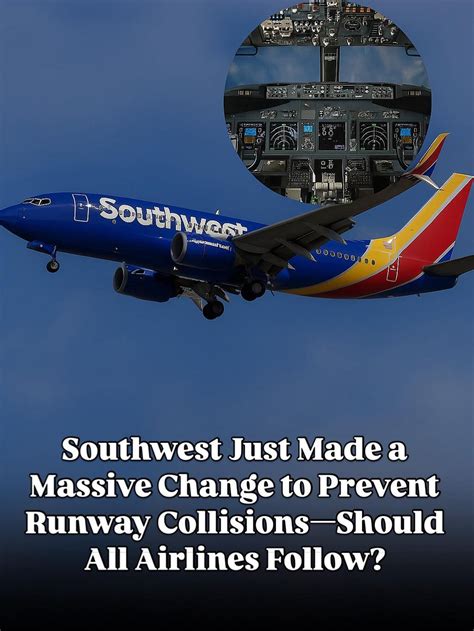
As of mid-2025, these systems have already been implemented in 87% of Southwest’s Boeing 737 fleet, with full fleet-wide deployment targeted for early 2026. While initially focused on the 737 platform, the technology is versatile and applicable across both Boeing and Airbus commercial jets, extending benefits to the broader aviation landscape.
A Calculated Response to Real-World Close Calls
This ambitious rollout was not without cause. A spate of near-miss incidents served as a wake-up call for the airline and the broader industry. Notably, in July 2024, a Southwest 737 MAX came dangerously close to the waters near Tampa International Airport after an unintended descent below safe altitudes. Only the sharp intervention by air traffic controllers averted a possible disaster.
In another event, a Southwest aircraft preparing to depart from Orlando International Airport almost took off from a taxiway—a mistake that could have had catastrophic consequences. Both incidents underscored the need for enhanced safety mechanisms that would act as a buffer against lapses in pilot awareness.
By embracing SmartRunway and SmartLanding, Southwest is sending a strong message: reactive safety is no longer enough—the future lies in predictive, data-driven tools that help pilots preempt errors before they unfold.
Honeywell’s Expanding Role in Aviation Safety
Southwest’s collaboration with Honeywell Aerospace is a continuation of a long-standing relationship built on shared priorities in innovation and reliability. As early adopters of Honeywell’s Integrated Multi-Mode Receiver, the airline has often been among the first to embrace flight deck upgrades that elevate both performance and safety.
Honeywell’s EGPWS has long served as a trusted foundation for enhancing terrain awareness. With the addition of SmartRunway and SmartLanding, the suite now evolves into a comprehensive cockpit companion, aiding not only in terrain avoidance but also in procedural compliance and alert prioritization.
According to Honeywell engineers, these systems rely on a blend of GPS positioning, onboard sensors, airport geofencing data, and logic-based alert triggers. Alerts are not just alarms—they’re contextual and intuitive, designed to support a pilot’s mental model during high workload scenarios.
Beyond SmartRunway: The Promise of SURF-A
Looking beyond the current upgrades, Honeywell is laying the groundwork for the next generation of runway safety technology with a project called SURF-A. Scheduled for certification in 2026, SURF-A (Surface Awareness) is a predictive runway safety system that adds yet another protective layer to flight operations.
SURF-A uses advanced GPS, ADS-B, and data analytics to detect the presence of aircraft or vehicles on runways before they become visible to pilots. This capability is particularly crucial at congested airports or in low-visibility conditions, where traditional visual scanning can be compromised.
With an eye toward zero runway incursions, Honeywell envisions SURF-A as the missing link between airborne awareness and ground-based hazard detection. When paired with SmartRunway and SmartLanding, the trio forms a robust digital barrier that aims to eliminate the leading causes of runway-related accidents.
Culture Shift: Safety Training and Human Factors
Southwest’s safety campaign is not limited to hardware upgrades. Recognizing that technology alone isn’t enough, the airline has also revamped its pilot training modules, focusing on risk recognition, procedural discipline, and cockpit resource management.
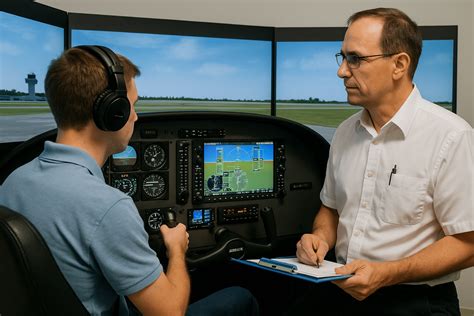
Pilots are now undergoing enhanced scenario-based training that simulates unexpected runway changes, unstable approaches, and airport layout confusion—scenarios where SmartRunway and SmartLanding provide decisive intervention. By marrying technology with human-centered learning, Southwest is reinforcing a safety culture that relies equally on machines and the people who fly them.
Strategic Timing Amid Rising Safety Concerns
The rollout of these systems comes at a critical juncture. The FAA and NTSB have raised concerns about an uptick in near-misses and ground-based incursions across U.S. airports in recent years. The post-pandemic aviation recovery has brought increased traffic, stressed resources, and in some cases, less experienced personnel returning to service.
In such an environment, the integration of predictive safety systems becomes not just a smart move—it becomes imperative. Airlines are being judged not just by how quickly they can restore pre-pandemic flight volumes, but also by how effectively they can uphold and advance safety benchmarks amid the resurgence.
By investing in these upgrades proactively, Southwest positions itself not only as a safety leader but as an innovator, showing that aviation growth and safety need not be mutually exclusive.
The Business Case for Advanced Safety Systems
While safety is the moral imperative, there’s also a strong economic rationale behind Southwest’s investment. Runway incursions, aborted landings, and misaligned takeoffs don’t just endanger lives—they carry massive costs in terms of delays, investigations, maintenance checks, and reputational damage.
By reducing the likelihood of such incidents, the SmartRunway and SmartLanding systems contribute directly to operational efficiency and brand trust. Fewer delays mean tighter schedules, reduced fuel consumption, and less pressure on maintenance cycles. From a business perspective, this upgrade is both a cost saver and a confidence builder.
Leading By Example: A New Safety Standard
As the aviation industry adapts to rapidly evolving challenges—from climate variability and congestion to pilot shortages and regulatory scrutiny—Southwest’s comprehensive adoption of SmartRunway and SmartLanding sets a new industry standard.
Airlines across the globe are closely watching this rollout. The question is no longer if such systems should be implemented, but how quickly others can follow suit. With its extensive network of domestic and international routes, Southwest’s lead in cockpit safety innovation could potentially influence global aviation policy in the coming years.
Conclusion: From Close Calls to Clear Skies
Southwest Airlines’ integration of Honeywell’s SmartRunway and SmartLanding systems represents a decisive leap in aviation safety innovation. Prompted by real-world incidents and executed with technical precision, this initiative reflects the airline’s unwavering commitment to passenger and crew safety.
As the final installations are completed and new systems like SURF-A loom on the horizon, Southwest is not merely reacting to past mistakes—it is preemptively fortifying its future. In a world where trust is paramount and safety is non-negotiable, Southwest has chosen to lead with technology, foresight, and a relentless pursuit of excellence.