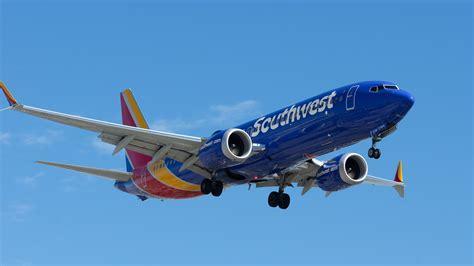
Southwest Airlines has long defied conventional air travel frameworks, forging its own model of efficiency, affordability, and flexibility. As the largest low-cost carrier in the world, Southwest has optimized a unique operational strategy — a point-to-point network enhanced by rolling hubs, which diverges from the traditional hub-and-spoke structure dominant among legacy airlines. These operational bases form the backbone of the airline’s extensive domestic reach and international footprint. In this analysis, we examine the most served cities by Southwest Airlines, uncovering the scope, strategic relevance, and dynamic service patterns across these pivotal hubs.
Southwest does not operate a single primary hub. Instead, it has cultivated a network of heavily utilized airports that distribute high-frequency routes. These airports — often referred to as operating bases — function as decentralizing nodes in the carrier’s point-to-point web, creating exceptional route density and operational flexibility.
The airline currently flies to 121 destinations across 12 countries, with over 3,500 active routes, supported by an all-Boeing 737 fleet. Each base contributes a critical piece to the airline’s overall route structure, and some — like Denver, Dallas Love Field, and Baltimore — stand out in terms of sheer volume and connectivity.
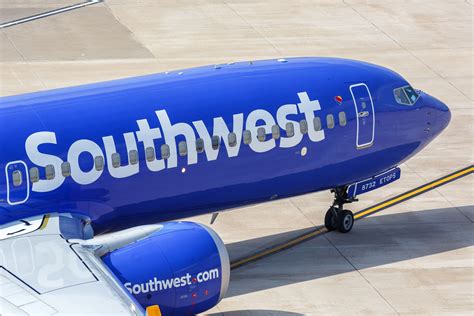
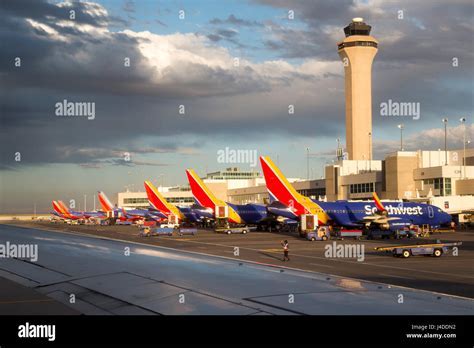
Denver International Airport (DEN): The Crown Jewel of Connectivity
Southwest Airlines began operations at Denver International Airport in 2006. Since then, it has rapidly transformed DEN into its busiest and most connected city in terms of destinations and daily operations. The airline operates over 300 daily departures and serves nearly 100 destinations from this location — the highest in its network.
The significance of Denver extends beyond simple flight counts. With its strategic central location in the U.S., Denver enables Southwest to effectively balance east-west and north-south traffic, optimizing aircraft utilization and passenger transfers without reliance on traditional hub scheduling. Denver’s elevation and weather complexity also demonstrate Southwest’s operational agility, enabled by its streamlined fleet of Boeing 737s, which includes 369 737-700s, 196 737-800s, and 220 737 MAX 8s.
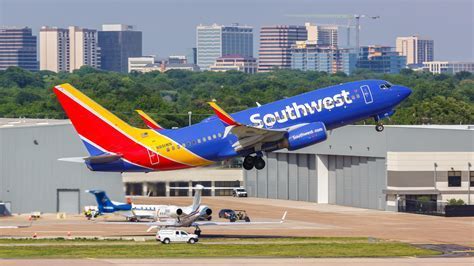
Dallas Love Field (DAL): The Heart of the Network
Home to Southwest Airlines’ headquarters and training facilities, Dallas Love Field represents more than a hub — it is the ideological and operational epicenter of the carrier. It is here that the airline’s philosophy of simplicity, speed, and customer-centricity was born.
From Love Field, Southwest operates nearly 80 nonstop routes, spanning the full breadth of its network. These include long-haul flights to cities like San Jose, CA, Providence, RI, and Reno, NV. DAL connects to all other major Southwest bases, creating an incredibly resilient and efficient web of route options for travelers moving through the South and Midwest.
DAL is uniquely significant for another reason — it is governed by restrictions imposed by the Wright Amendment legacy, which shaped how Southwest structured its early long-haul flights. Though the amendment was repealed in 2014, it remains an example of how regulatory environments influenced Southwest’s strategic growth.
Baltimore/Washington International Thurgood Marshall Airport (BWI): The East Coast Powerhouse
Baltimore (BWI) is Southwest’s gateway to the northeastern U.S. and international leisure markets. With 71 nonstop destinations, including Aruba (AUA), Belize City (BZE), Liberia, Costa Rica (LIR), and Montego Bay, Jamaica (MBJ), BWI serves as a vital node for transcontinental and international connectivity.
Southwest operates more routes from BWI than any other carrier, a dominance that cements its position as the airport’s leading airline. Seasonal and planned new services — such as to Colorado Springs (COS) — highlight BWI’s dynamic role as a growth engine for Southwest’s mid-Atlantic strategy. The airport’s accessibility to both Baltimore and Washington D.C. makes it a preferred departure point for both leisure and business travelers.
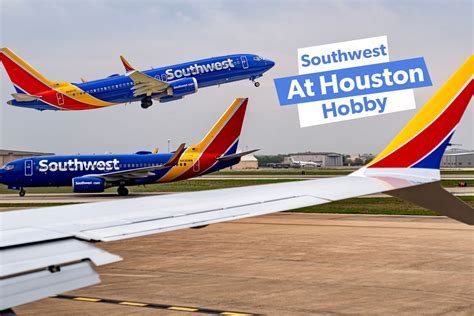
Houston Hobby Airport (HOU): Historic, Strategic, Southern Stronghold
Southwest’s presence at Houston Hobby (HOU) stretches back to the airline’s earliest days when it served as one corner of the Texas Triangle alongside Dallas and San Antonio. Today, HOU maintains that legacy with nearly 70 destinations, ranging from Burbank, CA to Charlotte, NC, and Phoenix, AZ to Tampa, FL.
Though smaller in scale than nearby George Bush Intercontinental Airport (IAH), Hobby’s appeal lies in its accessibility and Southwest’s overwhelming dominance. HOU remains a critical operational base, particularly for international expansion into Latin America and the Caribbean. Few other major airlines serve HOU, giving Southwest considerable pricing and scheduling freedom in this high-demand market.
Phoenix Sky Harbor International Airport (PHX): Western Distribution Point
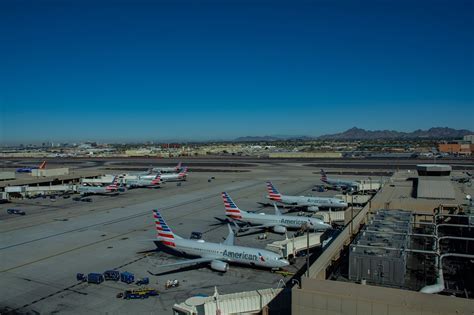
Southwest’s presence at Phoenix Sky Harbor (PHX) is marked by both scale and stability. As one of the airline’s oldest and most resilient operating bases, Phoenix serves over 60 nonstop destinations. It provides crucial westward reach, including flights deep into California, the Pacific Northwest, and mountain states.
PHX allows Southwest to maintain a low-cost operating structure in a region dominated by ultra-competitive markets, including Los Angeles and Las Vegas. It also offers year-round connectivity to leisure hotspots, drawing substantial passenger volumes during both winter snowbird and summer travel seasons.
Chicago Midway International Airport (MDW): Midwest Efficiency Hub
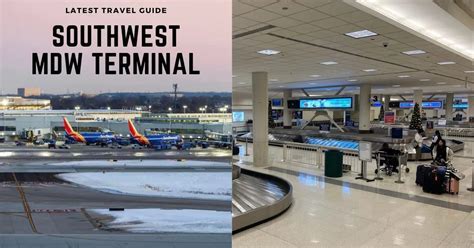
For the central U.S., Chicago Midway (MDW) plays a vital role. Southwest is the largest operator at MDW, with dozens of daily departures. Though it faces operational constraints due to runway capacity and urban placement, Midway allows Southwest to dominate short-haul routes across the Midwest, Northeast, and South.
Southwest uses MDW as a high-frequency connection point — vital for cities like Indianapolis, Cleveland, and Kansas City. It’s also a favored airport for budget-conscious travelers avoiding the more congested Chicago O’Hare International Airport (ORD).
Las Vegas Harry Reid International Airport (LAS): Entertainment Gateway and High-Traffic Hub
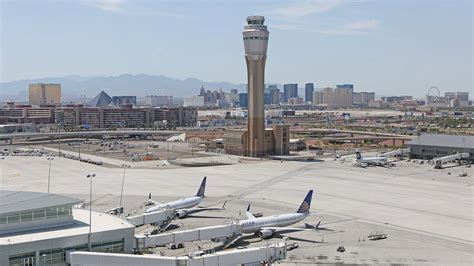
No Southwest city is more associated with leisure travel than Las Vegas. With dozens of daily departures to and from LAS, the city is both a destination and a distribution point. The carrier services scores of West Coast and mountain destinations, making it a high-frequency player in the short-haul market. It also connects directly to other hubs like Denver, Dallas, and Chicago.
Southwest’s network from LAS supports both business convention travel and tourism, positioning it as a core contributor to the Las Vegas economy and to Southwest’s revenue from ancillary products and services.
Conclusion: A Decentralized Network That Powers Central Dominance
Southwest Airlines has engineered a network architecture that thrives without traditional centralized hubs. Its most served cities — particularly Denver, Dallas Love, Baltimore, Houston Hobby, and Phoenix — serve as decentralized pillars of a rolling hub strategy that empowers frequent, reliable, and cost-efficient service.
By utilizing a single aircraft family, maintaining low operational complexity, and cultivating deep city-specific route maps, Southwest Airlines achieves unmatched scale and adaptability. These hubs do not merely handle volume; they shape the operational tempo and strategic direction of the entire airline.
As the carrier continues to modernize its fleet and expand internationally, these high-traffic cities will remain at the center of its momentum — delivering the reach, frequency, and flexibility that have made Southwest a standout in the global low-cost sector.