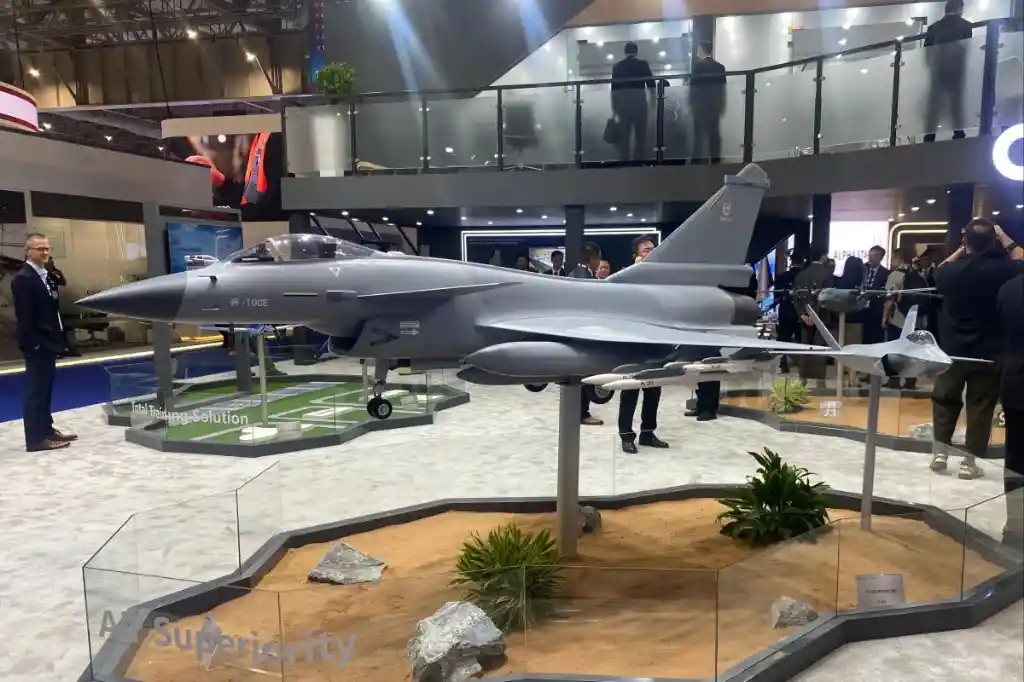
In the heart of the Arabian desert, the Dubai Air Show has become the world’s most dynamic stage for showcasing next-generation stealth fighter jets. On its latest opening day, the skies over the UAE witnessed a symbolic showdown that encapsulates a broader geopolitical competition — the race between the United States, Russia, and China to dominate Middle East arms markets with fifth-generation stealth aircraft.
The event marked a historic milestone: the first simultaneous aerial appearance of the US F-35 Lightning II and the Russian Su-57 Felon, alongside a ground display of China’s rising contender, the J-35 stealth fighter. Their shared presence signals more than just technical prowess — it marks an intensifying rivalry that blends military technology, regional influence, and political alignment.
F-35 Lightning II: America’s Dominant Export
The Lockheed Martin F-35, a multirole stealth jet revered for its sensor fusion, stealth profile, and networked combat capabilities, remains the gold standard in fifth-generation aviation. With deliveries spanning NATO allies and beyond, the F-35 continues to set the bar — and dominate conversations.
At the Dubai Air Show, the F-35 dazzled onlookers with precision aerial manoeuvres, underscoring its agility and thrust-vectoring superiority. But more importantly, it symbolized US strategic influence in the Gulf, where countries like Israel, the UAE, and Saudi Arabia have either acquired or expressed interest in the aircraft.
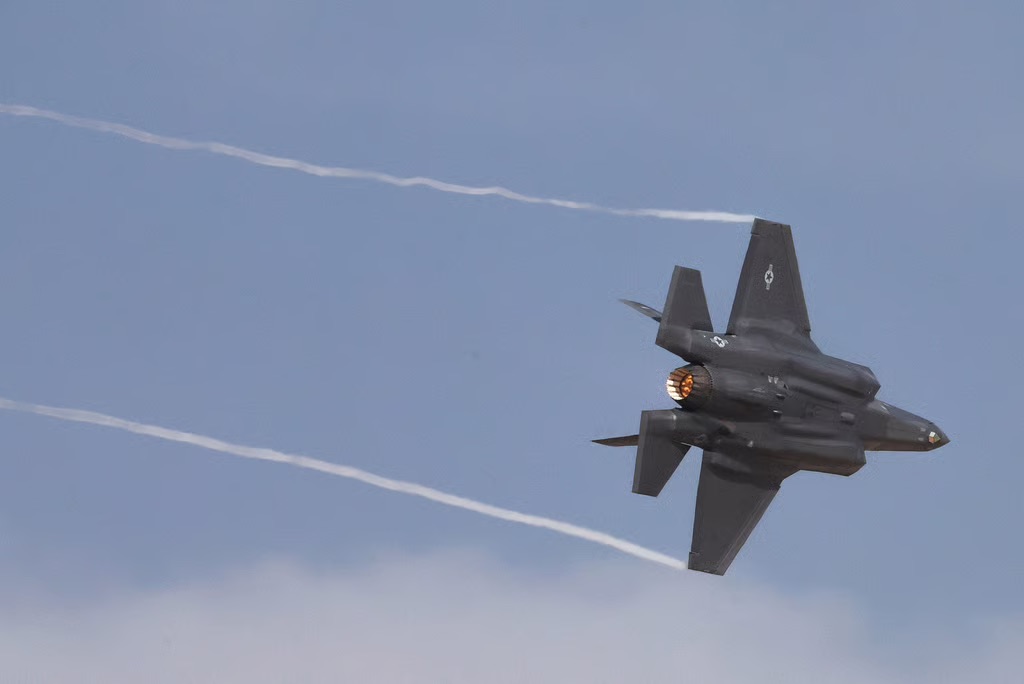
Yet access to the F-35 isn’t guaranteed. Washington often uses it as a diplomatic lever, conditioning sales on broader alignment with US security policies. The suspension of F-35 deliveries to Turkey and hesitation in approving sales to certain Middle Eastern states underline the geopolitical strings attached.
Su-57 Felon: Russia’s Premium Showcase Fighter
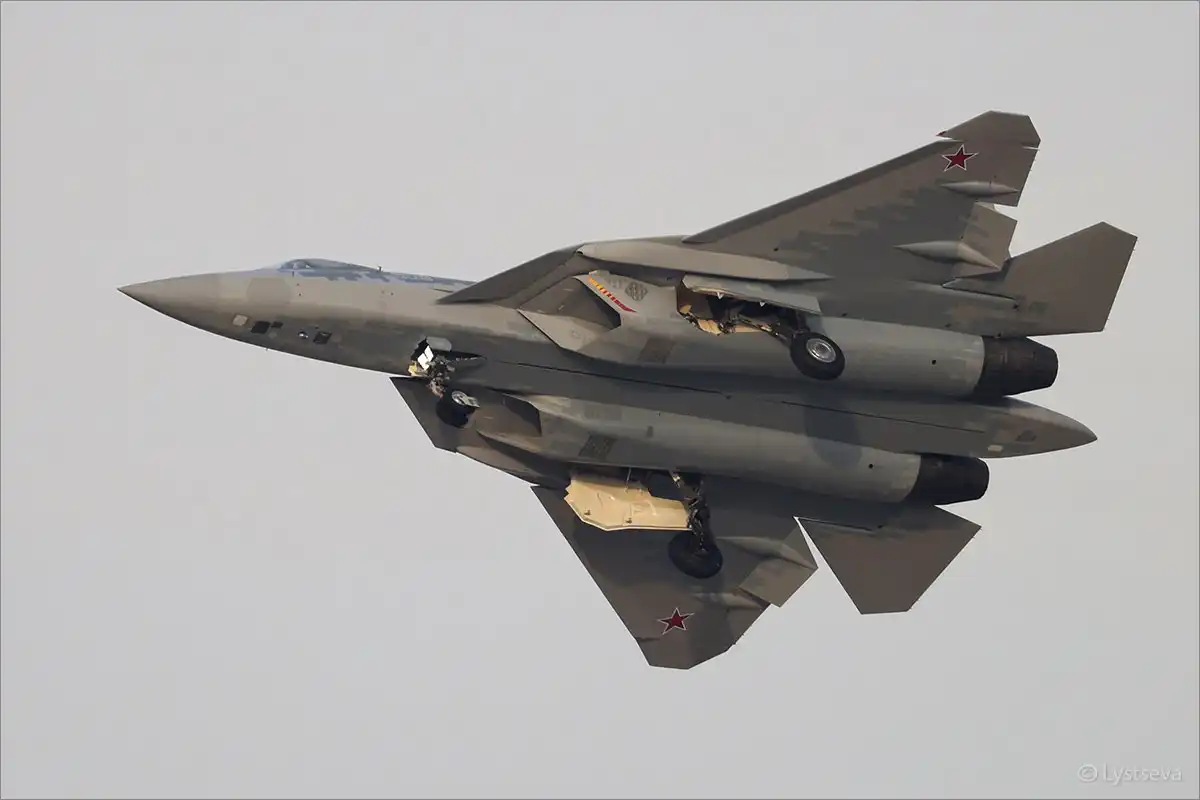
Russia’s Su-57, developed by Sukhoi, is a twin-engine stealth aircraft touted for its supercruise, internal weapons bays, and infrared stealth signature reduction. At Dubai, the Felon performed high-speed aerobatic routines, leveraging its 3D thrust-vectoring engines to highlight super manoeuvrability and sustained supersonic flight.
However, analysts point to its limited production scale and lack of confirmed export contracts as vulnerabilities. Russia has made efforts to market the Su-57 to nations like India and Algeria, but budget constraints and political friction have slowed momentum.
Still, Russia banks on the Felon’s cost advantage and lack of Western-aligned restrictions. For countries hesitant to rely on US technology or wary of sanctions, the Su-57 offers a non-aligned alternative — albeit one with infrastructural and logistical uncertainties.
J-35: China’s Rising Stealth Challenger
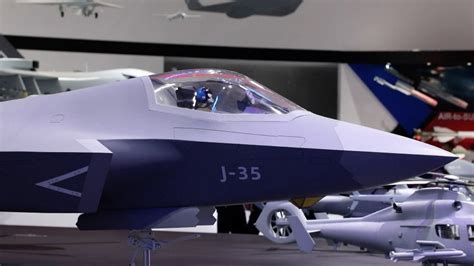
While not airborne at the show, the Chinese J-35 (also referred to as the FC-31) turned heads on the static display floor, commanding attention as Beijing’s most advanced carrier-capable stealth fighter. Developed by Shenyang Aircraft Corporation and promoted by the state-owned CATIC, the J-35 stands out as a stealth aircraft designed for export — a key advantage in China’s arms diplomacy.
Angular lines, twin engines, and a reduced radar cross-section combine to make the J-35 a legitimate competitor. Its display at Dubai signals Beijing’s readiness to challenge US air dominance in regions that are either strategically neutral or drifting from Western defense ecosystems.
Importantly, the J-35 fills a political and economic vacuum: many Middle Eastern countries looking to diversify suppliers and avoid US scrutiny may turn to China for affordable, high-tech weaponry without strings attached. Analysts regard it as the stealth jet to watch in future non-US-aligned procurement decisions.
Why the Middle East Matters in the Stealth Race
The Middle East has emerged as one of the most lucrative and contested defense markets, where oil wealth and security concerns drive multibillion-dollar procurements. It’s also a region deeply intertwined with strategic partnerships and shifting alliances.
Each power is vying not only to sell aircraft but to embed influence, shape defense architectures, and expand military cooperation frameworks. The stealth jet, as a symbol of technological edge and alliance fidelity, becomes a strategic bridgehead in these rivalries.
The Dubai Air Show, increasingly seen as a bellwether of global defense competition, lays bare this triangle of power:
- The US, leveraging its dominance and existing alliances, offers the most battle-proven platform with interoperability benefits.
- Russia, less encumbered by political conditions, pitches its Su-57 as a cost-effective, unrestricted alternative.
- China, long dismissed as a laggard, now presents the J-35 as a sleek, export-ready stealth jet suited to regional aspirations of autonomy.
A Future Defined by Political Alignment, Not Just Performance
Ultimately, the decision to purchase a stealth fighter is rarely about just performance. Political alignment, economic strategy, and military integration play just as large a role. As the Middle East diversifies its global ties, the aircraft it chooses will reflect strategic realignment as much as airpower modernization.
The showdown in Dubai may be a preview of the next-generation arms race, where stealth, speed, and sovereignty collide in a contest that stretches far beyond the runway.