Vietnam’s aviation landscape is shifting rapidly, and Sun PhuQuoc Airways has just placed a bold marker on the map. The start-up carrier has signed an order for up to 40 Boeing 787-9 Dreamliners, a move that signals its ambition to transform from a domestic newcomer into a long-haul international competitor by the end of the decade. For an airline that began operations only in November 2025, the scale of this commitment underscores a clear objective: build a 100-aircraft fleet and establish Phu Quoc International Airport (PQC) as a gateway linking Vietnam to the world.
The order positions the Boeing 787-9 as the backbone of the airline’s future intercontinental network. Designed for efficiency, extended range, and passenger comfort, the aircraft offers the operational flexibility that emerging carriers require when stepping into competitive long-haul markets. By selecting the 787-9, Sun PhuQuoc Airways aligns itself with one of the most widely adopted widebody platforms currently in service.
At the heart of this strategy lies a geographic advantage. Phu Quoc, located in southwest Vietnam, is already known for its tourism appeal. With a modern international airport and strong backing from its parent conglomerate, Sun Group, the airline intends to channel growing inbound travel directly into its hub. The Dreamliner’s performance capabilities provide the necessary reach to turn that ambition into a practical network reality.
Boeing 787-9 Dreamliner: The Engine of Long-Haul Growth
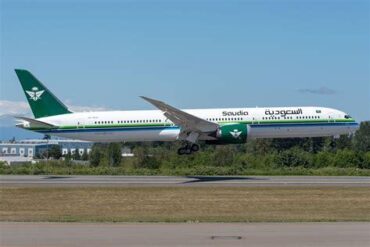
The Boeing 787-9 Dreamliner remains the most popular variant within the 787 family. According to Boeing’s technical specifications, the aircraft can carry up to 296 passengers across distances of approximately 7,565 nautical miles (14,010 kilometers). That range opens direct connectivity between Phu Quoc and major cities across Asia, the Middle East, Europe, Australasia, and North America without the need for refueling stops.
For a start-up airline, operational economics are critical. The Dreamliner’s composite airframe, advanced aerodynamics, and next-generation engines contribute to improved fuel efficiency compared to older widebody models. Lower fuel burn translates directly into reduced operating costs on long-haul routes, a decisive factor when entering markets dominated by established carriers.
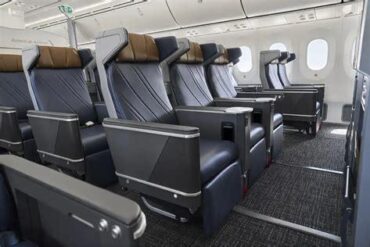
Passenger experience also plays a central role in long-haul competitiveness. The 787 is known for higher cabin humidity, larger windows, and quieter engines, features that enhance comfort on extended flights. These attributes allow Sun PhuQuoc Airways to position itself not merely as a new entrant, but as a carrier capable of delivering a modern premium travel product from day one of its intercontinental operations.
From Domestic Operator to Global Contender
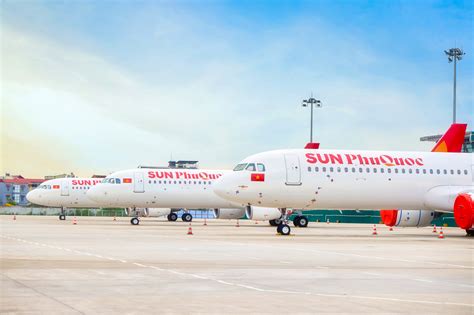
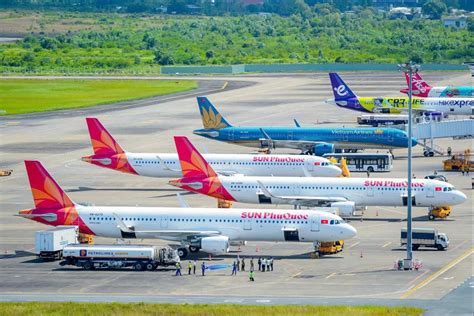
Sun PhuQuoc Airways received its operational certificate from Vietnam’s aviation authorities in September 2025 and launched commercial flights two months later. In just three months of service, the airline assembled a fleet of 10 Airbus A320 family aircraft, focusing entirely on domestic routes.
Current operations connect Hanoi (HAN), Da Nang (DAD), Ho Chi Minh City (SGN), and Phu Quoc (PQC). The fleet composition reflects a calculated short-term strategy: two used Airbus A320neo aircraft, two used Airbus A321 aircraft, and six newly delivered Airbus A321neo jets. This narrowbody fleet supports high-frequency domestic service, builds brand awareness, and establishes operational foundations ahead of long-haul expansion.
Management has previously indicated that its long-term fleet vision involves 60 Airbus narrowbody aircraft paired with 40 Boeing widebody jets. The Dreamliner order fulfills the widebody component of that plan. Deliveries are expected to begin toward 2030, aligning with the airline’s stated objective of operating 100 aircraft by the end of the decade.
This phased approach—domestic consolidation followed by international expansion—mirrors the growth pattern of several successful Asian carriers. By building scale at home before venturing abroad, the airline reduces early risk while preparing the infrastructure necessary for long-haul operations.
Strategic Timing in a Growing Southeast Asian Market
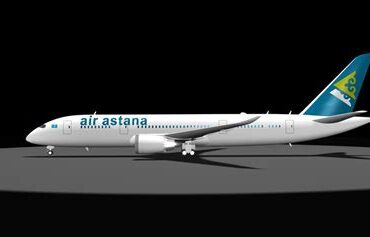
The order arrives during a period of strong momentum for aircraft manufacturers in Southeast Asia. Boeing recently secured additional agreements in the region, including up to 15 Boeing 787-9 aircraft for Air Astana and a significant 50 Boeing 737 MAX 8 order from Vietnam Airlines. These deals reinforce the manufacturer’s forecast that Southeast Asia will experience sustained air traffic growth over the next two decades.
Industry projections anticipate tens of thousands of new aircraft deliveries worldwide through 2044, with Southeast Asia representing one of the fastest-growing markets. Rising middle-class demand, expanding tourism flows, and deeper regional integration continue to fuel long-term aviation expansion. Sun PhuQuoc Airways’ decision to commit to 40 widebody aircraft reflects confidence in this trajectory.
For Boeing, the agreement strengthens its presence in Vietnam at a time when fleet competition between major manufacturers remains intense. The introduction of 787 aircraft into Sun PhuQuoc Airways’ fleet further embeds Boeing technology within the country’s aviation ecosystem.
Building a Hub at Phu Quoc
Phu Quoc International Airport serves as more than a base of operations; it is central to the airline’s brand identity and network strategy. The island’s established tourism profile provides a built-in demand driver, particularly for leisure-focused long-haul routes. By operating non-stop services from resort destinations directly to major global markets, Sun PhuQuoc Airways can differentiate itself from carriers relying on congested metropolitan hubs.
Hub development also carries economic implications. Increased direct international connectivity can stimulate tourism, hospitality investment, and ancillary service growth in the region. The scale of a 40-aircraft Dreamliner fleet suggests a sustained commitment to positioning Phu Quoc as a recognized long-haul gateway rather than a secondary regional airport.
A Defining Decade Ahead
The gap between a 10-aircraft domestic start-up and a 100-aircraft global carrier is substantial. Fleet acquisition, crew training, maintenance infrastructure, and international route approvals all require disciplined execution. Yet the blueprint is now clearly outlined. Narrowbody aircraft establish domestic strength; widebody Dreamliners unlock global reach.
By anchoring its long-haul strategy around the Boeing 787-9, Sun PhuQuoc Airways signals that its ambitions extend well beyond incremental growth. The airline is positioning itself to compete on range, efficiency, and passenger experience as it enters international markets.
As Southeast Asia’s aviation sector accelerates, the next five years will determine whether Sun PhuQuoc Airways successfully transitions from a promising start-up into a fully global network carrier. The order for up to 40 Dreamliners is not simply a fleet decision—it is a declaration of intent.