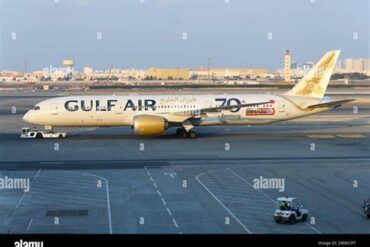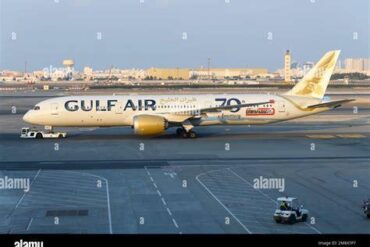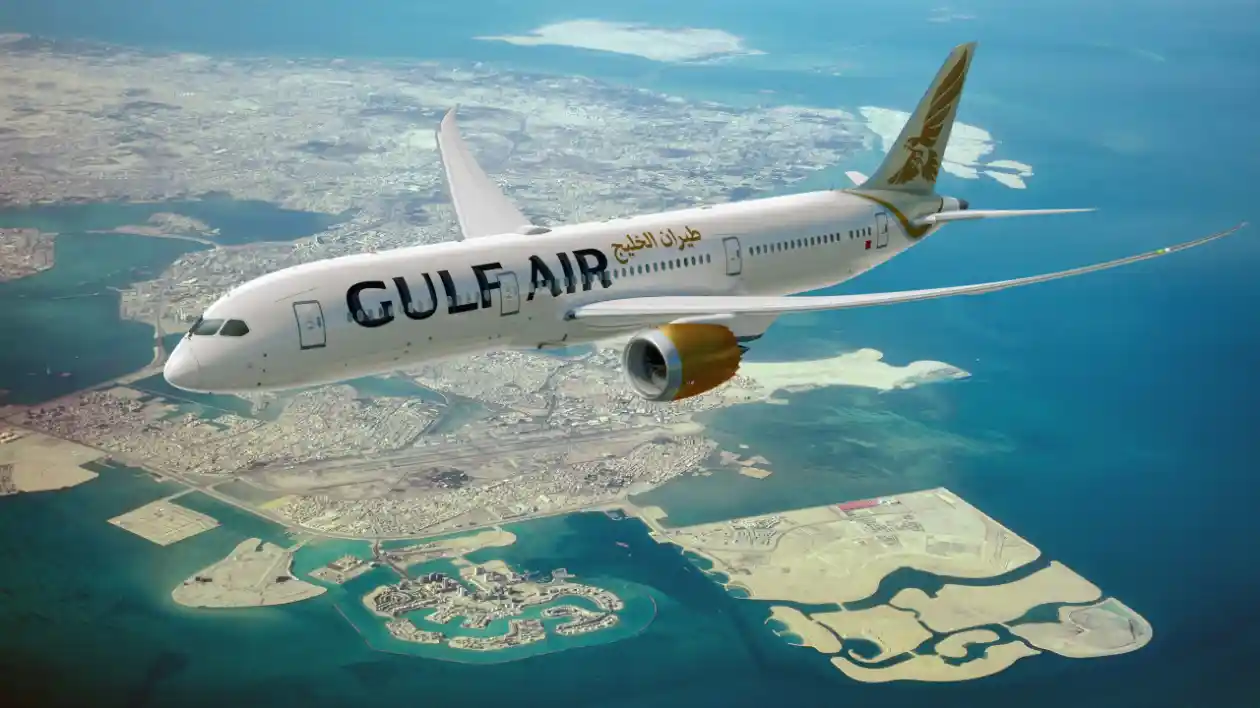
Gulf Air is charting a bold course into the future of long-haul aviation with its strategic agreement to acquire up to 18 Boeing 787 Dreamliners, marking a monumental turning point in both its operational capabilities and its role within the global aviation landscape. This ambitious move—anchored by a firm order for 12 aircraft with options for 6 more—signals the airline’s exit from its aging Airbus A330 fleet and a full embrace of next-generation, fuel-efficient aircraft. More than just a fleet renewal, this decision is a cornerstone of Gulf Air’s broader vision to position Bahrain as a premier regional and international aviation hub.
Gulf Air’s Dreamliner Deal: A Strategic Leap Forward
The acquisition of the Boeing 787 Dreamliner is more than a commercial transaction—it’s a strategic transformation. Gulf Air Chairman Khalid Taqi called the order a “game changer,” highlighting the role this modern aircraft will play in expanding the airline’s route network and elevating its service standards.
With long-haul expansion at the forefront of its five-year transformation plan, Gulf Air is poised to dramatically increase connectivity to key markets across North America, Europe, and Asia. The Dreamliner’s impressive range and efficiency unlock potential for new nonstop routes and improved scheduling flexibility, a move that is expected to significantly enhance Gulf Air’s international competitiveness.
Phasing Out the A330: A Shift in Operational Philosophy
Central to this strategy is the retirement of Gulf Air’s less efficient Rolls-Royce-powered Airbus A330 aircraft, which have formed the backbone of its long-haul operations for over a decade. The transition to the Boeing 787 platform represents a decisive shift toward greater fuel economy, lower emissions, and enhanced passenger experience.
Unlike the A330s, the Boeing 787 Dreamliner is built with carbon-fiber composite materials that dramatically reduce weight while increasing fuel efficiency. Gulf Air’s decision to move away from legacy aircraft marks its commitment to environmental sustainability, aligning with global trends and industry best practices.
Elevating Passenger Experience with Next-Gen Comfort
From a customer perspective, the Dreamliner offers unmatched levels of inflight comfort. With larger windows, lower cabin altitude, and better air quality, the aircraft creates a more natural and less fatiguing flying experience—critical for passengers on long-haul journeys.
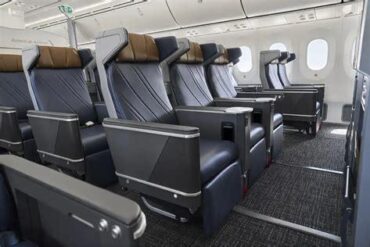
Inside the cabin, Gulf Air plans to equip the new aircraft with state-of-the-art inflight entertainment systems, ergonomic seating, and premium cabin offerings. These improvements will not only help differentiate the airline in a competitive marketplace but also reinforce its reputation for offering an elevated premium travel experience.
Economic Benefits Beyond Bahrain’s Borders
This fleet expansion carries substantial economic implications beyond Bahrain. The Dreamliner deal is expected to support the creation of over 30,000 new jobs in the United States, demonstrating the far-reaching economic value of international aerospace cooperation. From manufacturing roles at Boeing’s facilities to supply chain support across multiple U.S. states, the ripple effect is significant.
For Bahrain, the benefits are even more direct. As Gulf Air grows its long-haul footprint, increased traffic through Bahrain International Airport will stimulate tourism, business travel, and cargo operations. The result is a positive feedback loop that enhances Bahrain’s economic resilience and global connectivity.
Gulf Air and Boeing: A Relationship Rooted in Legacy
The newly inked deal is not the beginning, but a continuation, of a six-decade relationship between Gulf Air and Boeing. Over the years, Boeing has delivered 37 aircraft to Gulf Air, forming the core of its widebody fleet. The enduring partnership reflects mutual trust and shared ambition to deliver a world-class aviation experience.
This latest transaction affirms Boeing’s commitment to Gulf Air’s vision, supplying aircraft that meet both operational demands and sustainability goals. Boeing’s 787 is already proven to unlock new city pairs, reduce fuel burn, and deliver a smoother, quieter ride for passengers.
Sustainability Takes Center Stage
At a time when environmental performance is paramount, the Dreamliner’s eco-efficiency aligns perfectly with Gulf Air’s evolving sustainability strategy. Compared to earlier-generation aircraft, the 787 reduces fuel consumption by up to 25% and cuts carbon dioxide emissions per seat mile—an increasingly important metric for environmentally-conscious travelers and regulators alike.
By integrating the Dreamliner into its long-haul fleet, Gulf Air demonstrates leadership in green aviation, taking measurable steps to lower its carbon footprint while keeping pace with international emission-reduction mandates.
Unlocking New Global Opportunities
The Boeing 787’s impressive range—up to 14,010 km (7,530 nautical miles)—opens up strategic growth corridors for Gulf Air. Destinations previously out of reach due to fuel or route limitations are now viable, including potential expansions into:
- The U.S. West Coast (Los Angeles, San Francisco)
- Secondary European hubs (Manchester, Vienna, Munich)
- High-demand Asian markets (Seoul, Tokyo, Kuala Lumpur)
With increased aircraft availability and network flexibility, Gulf Air is better positioned to compete with regional giants and serve niche routes with sustainable profitability.
Enhancing Bahrain’s Role as an Aviation Powerhouse
As the national carrier, Gulf Air plays a vital role in amplifying Bahrain’s international influence. Its expanding fleet directly supports the kingdom’s goal of becoming a global aviation and logistics hub, as outlined in Bahrain’s Vision 2030 economic diversification plan.
The Dreamliner acquisition reinforces this mission. With a modernized long-haul fleet, Bahrain’s connectivity to the rest of the world improves—attracting more inbound tourism, business investment, and facilitating the growth of industries that depend on reliable global access.
Competitive Edge Through Operational Excellence
Beyond passenger comfort and range, the Dreamliner offers tangible operational efficiencies. These include:
- Advanced avionics and flight deck automation for better pilot situational awareness
- Lower maintenance requirements due to composite construction
- Optimized engine performance using General Electric GEnx or Rolls-Royce Trent 1000 engines
- Reduced noise footprint, which enhances Gulf Air’s ability to access noise-sensitive airports
These improvements allow Gulf Air to run a leaner, more agile operation—crucial in a market where fuel prices and cost control dictate margins.
The Broader Impact on Gulf Aviation
Gulf Air’s Dreamliner investment is part of a broader trend of fleet modernization across the Gulf region. Carriers like Emirates, Qatar Airways, and Saudia have all embraced new-generation aircraft to improve efficiency and respond to evolving passenger demands.
However, Gulf Air’s decision is particularly significant because it signals a turnaround for a carrier that has long operated in the shadows of its larger neighbors. This investment narrows that gap and positions the airline as a nimble, forward-thinking contender in long-haul aviation.
Future-Proofing Gulf Air
The path ahead for Gulf Air is clear: transformative growth powered by smart investments in technology and fleet renewal. As the airline takes delivery of new Dreamliners in the coming years, passengers can expect:
- More nonstop options to emerging and established global cities
- Enhanced cabin experiences across all classes
- Improved on-time performance and reliability
- Lower ticket prices driven by operational cost savings
Ultimately, Gulf Air’s decision to go all-in on the Boeing 787 platform is a calculated bet on the future of air travel—a future that is faster, greener, and more connected.
Conclusion: Gulf Air Sets a New Course in Long-Haul Aviation
The addition of up to 18 Boeing 787 Dreamliners marks a defining chapter in Gulf Air’s transformation story. No longer content with the status quo, the airline is building an international identity rooted in efficiency, sustainability, and elevated passenger service.
By modernizing its fleet and doubling down on long-haul routes, Gulf Air is not just updating its aircraft—it’s redefining what it means to fly from Bahrain to the world. The skies are wide open, and Gulf Air is ready to soar higher than ever before.