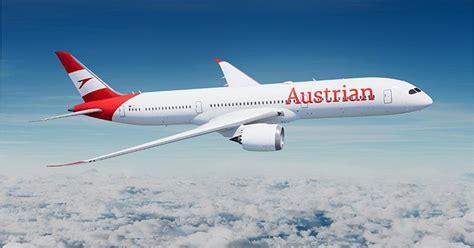
Austrian Airlines is entering a bold new chapter in its aviation journey with the launch of the Boeing 787-9 Dreamliner, a transformative step aimed at redefining long-haul travel. This strategic move is not only a response to increasing demand for intercontinental connectivity, but also a clear statement of intent: to combine cutting-edge technology, enhanced passenger comfort, and sustainable operations into a single seamless experience.
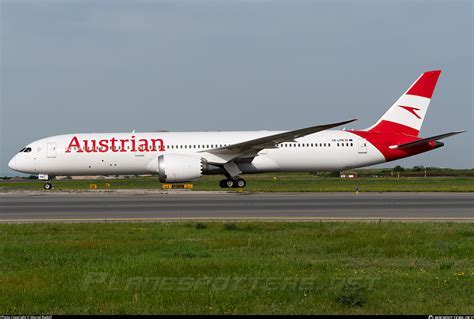
The 787-9 Dreamliner: A Leap Forward in Aviation Technology
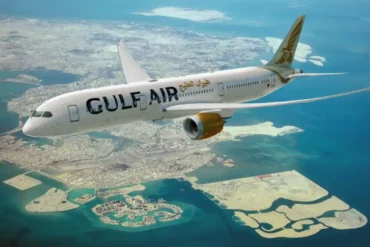
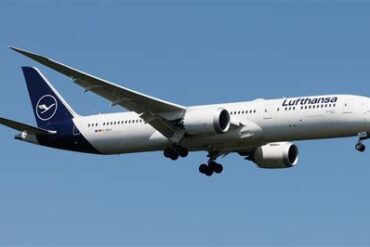
The Boeing 787-9 Dreamliner represents the pinnacle of modern aeronautical engineering, boasting a frame that is constructed from approximately 50% composite materials. Unlike traditional aircraft dominated by aluminum, the Dreamliner’s composite fuselage and wings significantly reduce the aircraft’s overall weight, contributing to superior fuel efficiency and lower maintenance requirements.
One of the aircraft’s most innovative design elements is its raked wingtips—a subtle aerodynamic refinement that dramatically improves airflow, reduces drag, and enhances fuel economy. This aerodynamic finesse allows the Dreamliner to achieve 20% greater fuel savings compared to older aircraft models, a crucial factor in today’s environmentally conscious aviation market.
Adding to its performance edge, the Dreamliner is equipped with GEnx engines developed by General Electric. These engines are among the quietest in commercial service, substantially lowering noise pollution during takeoff, cruise, and landing phases. The result is a more comfortable cabin environment and a friendlier impact on airport communities.
Passenger Comfort Redefined: Inside the Dreamliner Cabin
Austrian Airlines has placed an unmistakable focus on passenger-centric design in its Dreamliner fleet, reimagining the long-haul flying experience. At the core of this transformation are features aimed at enhancing comfort, reducing fatigue, and improving overall well-being throughout the flight.
One of the most noticeable advancements is the Dreamliner’s 30% larger windows, allowing for panoramic views and more ambient light. Integrated electrochromic dimming technology empowers passengers to adjust window tint at the touch of a button—no more fiddling with shades. This innovation plays a subtle yet critical role in alleviating jet lag, as it enables better regulation of light exposure across time zones.
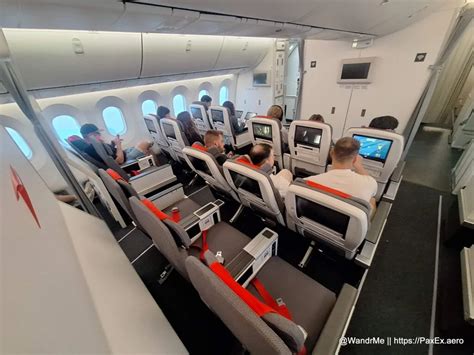
Further elevating the passenger experience is the aircraft’s lower cabin altitude, pressurized at 6,000 feet compared to the typical 8,000 feet. This, paired with increased cabin humidity, significantly reduces dehydration and fatigue, ensuring passengers arrive at their destinations feeling refreshed.
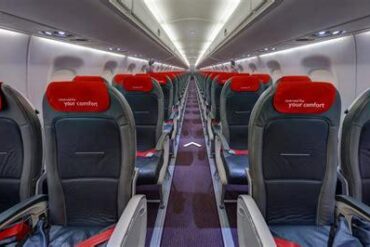
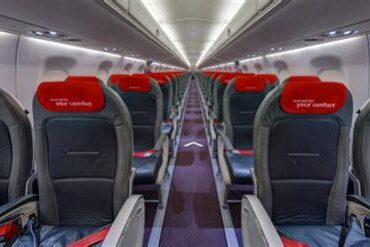
Austrian Airlines’ Dreamliner interiors are also crafted with attention to detail. From ergonomically designed seating in economy and business class to spacious overhead bins, the cabin is optimized for convenience and serenity. Premium lighting systems shift gradually to mimic natural sunlight, fostering a more relaxing in-flight environment.
Strategic Fleet Modernization and Environmental Vision
The integration of the Boeing 787-9 Dreamliner is not an isolated event, but part of Austrian Airlines’ long-term fleet renewal strategy. By replacing aging aircraft such as the Boeing 767 with the more fuel-efficient and cost-effective Dreamliners, the airline is fortifying its position in the global aviation landscape.
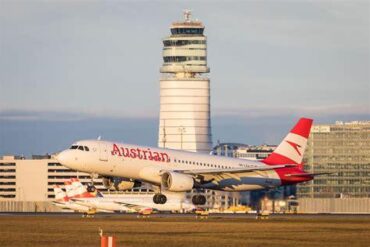
This modernization extends beyond long-haul routes. Austrian Airlines is also expanding its short-haul capabilities with next-generation Airbus A320neo aircraft. The consistent theme across these upgrades is an unrelenting focus on fuel efficiency, reduced emissions, and operational reliability—elements that align closely with the carrier’s environmental commitments.
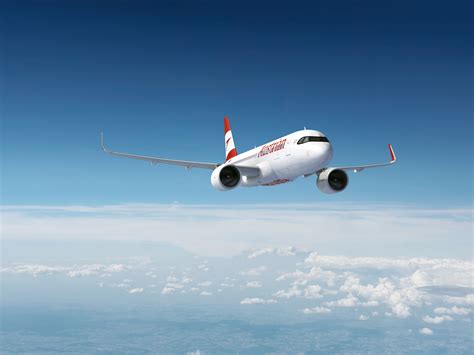
In an era where sustainability is both a moral and operational imperative, the Dreamliner stands out. Its composite structure, advanced engines, and aerodynamic efficiency make it one of the most environmentally friendly wide-body aircraft in service. Austrian Airlines’ adoption of this aircraft reflects a deep-rooted commitment to minimizing environmental impact without compromising passenger service.
Expanding Horizons: Long-Haul Route Network Grows
With the capabilities of the 787-9 at its disposal, Austrian Airlines is dramatically expanding its long-haul route portfolio. Destinations such as New York, Chicago, Tokyo, and Dubai are among the initial high-demand routes slated for Dreamliner deployment. These routes represent a blend of business and leisure travel, markets where comfort and reliability are paramount.
The aircraft’s extended range of over 14,000 kilometers and lower operating costs open up new opportunities for Austrian Airlines to explore additional routes in North America, Asia, and the Middle East. Its capacity to operate profitably even on thinner routes makes it a powerful tool for market penetration and expansion.
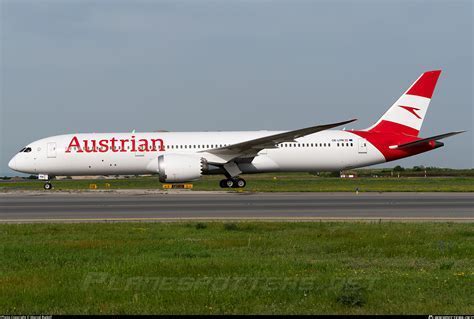
Moreover, the Dreamliner’s flexibility allows Austrian Airlines to better respond to seasonal fluctuations and travel trends. With rising global demand for nonstop long-haul travel, particularly in the post-pandemic era, the 787-9 is an essential asset that enables Austrian to offer more direct connections with improved passenger load efficiency.
Aligning Innovation with Sustainability Goals
Sustainability is a cornerstone of Austrian Airlines’ business philosophy, and the Boeing 787-9 Dreamliner is central to its green ambitions. The aircraft’s 20% fuel savings translate directly into reduced greenhouse gas emissions, while its quieter engines and lower environmental footprint align with the airline’s goal of achieving net-zero emissions in the long term.
Beyond aircraft selection, Austrian Airlines is also investing in sustainable aviation fuel (SAF) programs, carbon offsetting, and more efficient flight path planning to reduce contrails and fuel burn. These initiatives are complemented by broader Lufthansa Group sustainability efforts, of which Austrian is a proud member.
The Dreamliner acts as a catalyst in these efforts, giving Austrian Airlines not just the technical capability, but also the brand credibility to promote greener skies. Customers flying with Austrian can now expect to be part of a more conscious, future-forward aviation journey.
The Dreamliner’s Role in Austrian Airlines’ Future Vision
The arrival of the Boeing 787-9 is symbolic of a wider transformation within Austrian Airlines. It’s not just a new aircraft—it’s a bold commitment to innovation, passenger satisfaction, and operational excellence. At a time when the aviation sector faces economic and environmental headwinds, Austrian’s strategic embrace of the Dreamliner demonstrates resilience, foresight, and ambition.
The Dreamliner will play a pivotal role in redefining Vienna as a global air hub, connecting Central Europe with the world through faster, greener, and more comfortable air travel. With a targeted deployment strategy and an eye on emerging global markets, Austrian Airlines is well-positioned to shape the next decade of European long-haul aviation.
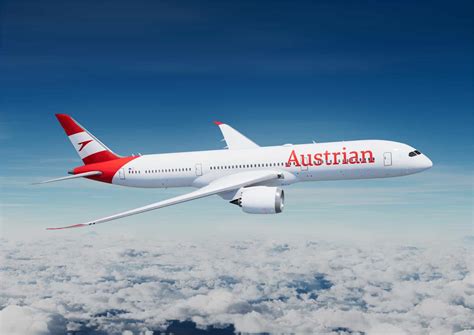
In conclusion, Austrian Airlines’ investment in the Boeing 787-9 Dreamliner is more than a fleet update—it’s the embodiment of a new era. It reflects a vision rooted in technical advancement, environmental stewardship, and elevated passenger experiences. As the first Dreamliners join the fleet in the wake of 2025, Austrian Airlines isn’t just catching up—it’s setting a new standard for what long-haul air travel can and should be.