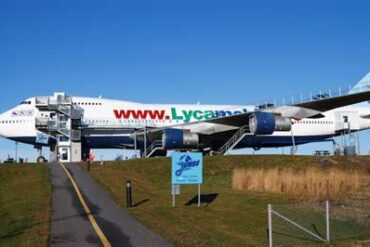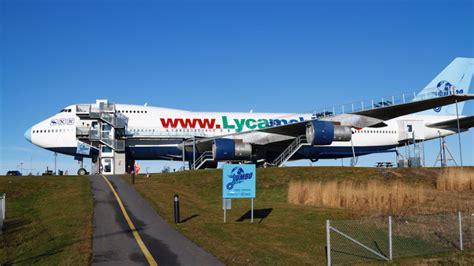
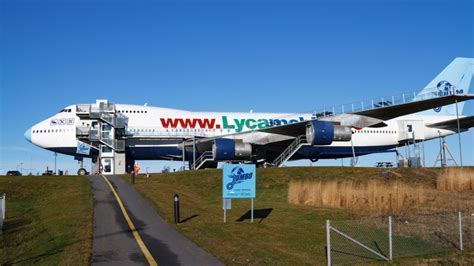
Once a beacon for aviation enthusiasts and a rare example of upcycled engineering, the Jumbo Stay Hotel—a converted Boeing 747-200 parked beside Stockholm Arlanda Airport—is now little more than a grounded giant with no future in sight. The aircraft, a former Singapore Airlines widebody, was turned into a unique 76-bed hotel in 2009. But following a recent bankruptcy, the aircraft has been abandoned, and the airport authority must now bear the costly and cumbersome responsibility of disposal.
From Aviation Glory to Grounded Relic: The Fall of Jumbo Stay
The story of Jumbo Stay is as compelling as it is melancholic. Originally delivered to Singapore Airlines in 1976 as 9V-SQE, the aircraft enjoyed a storied commercial life spanning decades and several airlines. After its flying days ended, the jetliner found a new purpose in 2009, when Swedish entrepreneur Oscar Diös opened the aircraft as an airport-side hotel. Positioned just outside Stockholm Arlanda Airport, it became one of the most unique overnight options in Europe—an aviation-themed experience complete with a cockpit suite, shared dormitories, and economy-style bunk beds.
But the novelty wasn’t enough to weather economic turbulence. In March 2024, the hotel ceased operations following a bankruptcy filing. Diös cited a 50% drop in revenue, falling from approximately $820,000 (8 million SEK) in 2019 to just $410,000 (4 million SEK) in 2023. The once-thriving curiosity struggled with mounting competition and the loss of key advertising rights, eroding the financial stability needed to sustain such a niche business.
Efforts to sell the aircraft failed. No buyer emerged, and the bankruptcy estate lacked the funds required to remove the 160-ton aircraft from the site. According to bankruptcy administrator Daniel Svensson, the plane was formally abandoned, leaving the burden of resolution squarely on the shoulders of Swedavia, Sweden’s state-owned airport operator.
The 747’s Colorful Aviation History Before Becoming a Hotel
Long before it became an icon of Swedish hospitality, the aircraft lived a remarkably itinerant life across continents and operators. After its initial delivery to Singapore Airlines, the aircraft returned to Boeing in 1983 and was soon leased to Pan Am, where it was registered as N727PA. It was during this era that the aircraft likely enjoyed the most traditional airline service, crisscrossing the globe under the Pan Am banner.
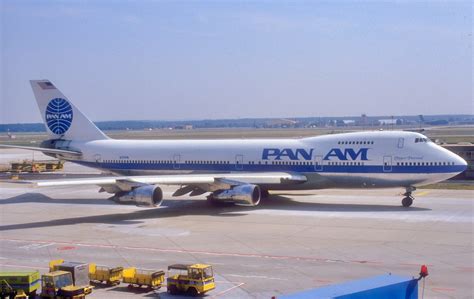
From there, the aircraft’s history reads like a who’s who of now-defunct carriers. In 1991, it was picked up by Nationair Canada, which in turn subleased it to Garuda Indonesia and Cathay Pacific for short stints in 1992. After bouncing between leases, the jet was returned to Nationair, later managed by Potomac Capital. Over the next decade and a half, it was leased to various other now-defunct operators including Tower Air, Air Club International, Transjet Airways, Northeast Airlines, and Jet Midwest. It ultimately ended its commercial career in 2007, when it was decommissioned and brought to its final resting place outside Arlanda.
A Landmark of Aviation Nostalgia—Now a Liability
When Jumbo Stay opened in 2009, it was greeted with enthusiasm. The concept was daring, and the execution—offering real airplane lavatories, flight-themed interiors, and even the ability to walk on the wing during select tours—captured the imagination of travelers, pilots, and aviation nerds worldwide. For over a decade, it remained a favorite layover destination and Instagram-worthy attraction.
However, maintaining a grounded jetliner in a climate like Sweden’s isn’t easy—or cheap. Without consistent high occupancy rates and effective marketing rights, the overhead proved unsustainable. Once the bankruptcy was filed, no financial buffer existed to cover even basic aircraft removal.
Now, the aircraft stands alone, unclaimed and decaying at the entrance of Arlanda Airport. Swedavia has confirmed it will not re-lease the site to another hotel operator, closing the door on any dream of resurrecting the hotel. Instead, the agency will need to either dismantle the aircraft or arrange for its removal—both options carrying substantial logistical and environmental costs.
The Legal and Financial Quandary for Swedavia
Under Swedish aviation law, the landowner becomes responsible for abandoned aircraft left on their property once the legal owner is dissolved or relieved of responsibility. With no active operator or legal entity claiming ownership, Swedavia is now obligated to manage the aircraft’s disposal. While no precise cost estimates have been released publicly, dismantling a Boeing 747-200 is no small feat. Between the removal of hazardous materials, transport logistics, and metal recycling protocols, the price tag could run well into six figures, if not more.
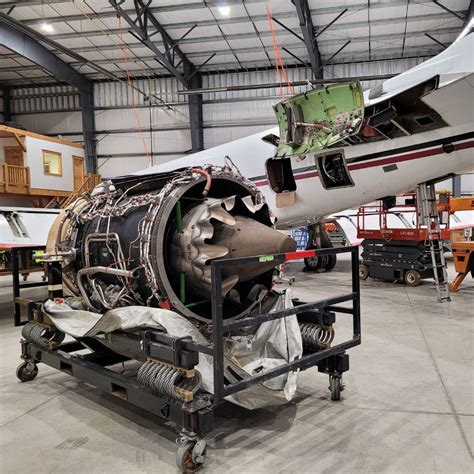
Although Swedavia has the authority to contract out the work, the entire process—from preparing the site to final demolition—could stretch over many months. In addition, there’s a cultural and public relations angle to consider. Many Swedes and aviation enthusiasts view Jumbo Stay as a landmark. To see it unceremoniously chopped up and scrapped is a bitter pill for the local tourism community.
Missed Opportunities and Dead Ends
Despite considerable media attention and online efforts by aviation bloggers and fans, no serious investors or heritage organizations stepped forward. Initial discussions about possibly relocating the aircraft to another aviation-themed park or museum were quickly dismissed due to prohibitive costs and the aircraft’s deteriorated condition.
Swedavia has explicitly ruled out reusing the aircraft as a public venue, stating that the site will likely be repurposed for airport infrastructure expansion in the future. This effectively seals the fate of the 747. Without a buyer or visionary reuse plan, the only realistic outcome is scrapping.
Adding to the disappointment is the fact that Jumbo Stay was among the last surviving 747-200s physically accessible to the public. With most of the model either scrapped or locked away in aviation museums, its demise represents a symbolic end of an era not just in Sweden, but in global aviation heritage.
Final Boarding Call: End of an Icon
The final chapter of the Jumbo Stay Hotel serves as a sobering reminder that novelty alone doesn’t guarantee longevity. Despite its ingenious repurposing and years of nostalgic allure, the aircraft was ultimately vulnerable to the same market forces that shutter traditional businesses—dwindling demand, rising competition, and operational inflexibility.
As of now, Swedavia has not published a timeline for the dismantling, but preparations are reportedly underway. Once removed, the site will be cleared and redeveloped, likely erasing all traces of what was once one of the world’s most creative uses of a commercial jetliner.
For those who had the rare chance to walk through its aisle, sleep under its wing, or sip coffee in its converted cabin, the Jumbo Stay was more than just a hotel—it was a piece of aviation history you could touch. Sadly, that tangible link to the golden age of flight is about to be dismantled, one rivet at a time.