The definition of premium air travel in the United States has undergone a quiet but profound transformation. What once revolved around clearly separated cabins—economy, business, and first class—has now evolved into something far more nuanced, and arguably more lucrative. In 2026, the most expensive business-class upgrade is no longer tied to a separate first-class suite. Instead, it exists within business class itself, subtly layered as an optional, high-margin enhancement.
At the center of this shift is United Airlines, which has introduced a pricing mechanism that effectively redefines the upper ceiling of business-class spending. Through its Polaris Studio surcharge, priced at $499 per segment, the airline has created what is arguably the most expensive intra-cabin upgrade in the U.S. market today. On ultra-long-haul routes—such as San Francisco to Singapore—this fee stacks on top of base fares that already exceed $6,000, pushing the total cost into territory once reserved for international first class.
This is not an accident. It is a deliberate strategy designed to extract more revenue from travelers who are already willing to pay for premium comfort—but who may be willing to go just a little further.
The Rise of “Business Class Plus” and the Death of Traditional First Class
Over the past decade, U.S. airlines have steadily dismantled the traditional first-class model on international routes. Maintaining a small, ultra-premium cabin with limited seats proved increasingly inefficient, especially when compared to the revenue potential of a densified and upgraded business-class cabin.
The result is the emergence of a new category: “business class plus.” This is not an officially branded cabin, but it is very real in practice. Airlines now segment business class internally, offering multiple tiers of seating and service within the same physical cabin.
This structural shift is driven by two powerful forces. First, the economics are undeniable. A larger business-class cabin filled with varying seat tiers allows airlines to maximize revenue per square foot, while avoiding the operational complexity of maintaining a separate first-class product. Second, passenger expectations have evolved. Today’s premium travelers are less concerned with labels and more focused on tangible benefits—space, privacy, exclusivity, and service quality.
What used to be a single ticket purchase has become a layered decision-making process. Even after booking business class, passengers are now presented with additional opportunities to upgrade within the cabin itself, effectively creating a marketplace of micro-luxuries.
United Polaris Studio: The New Benchmark for Premium Upgrades
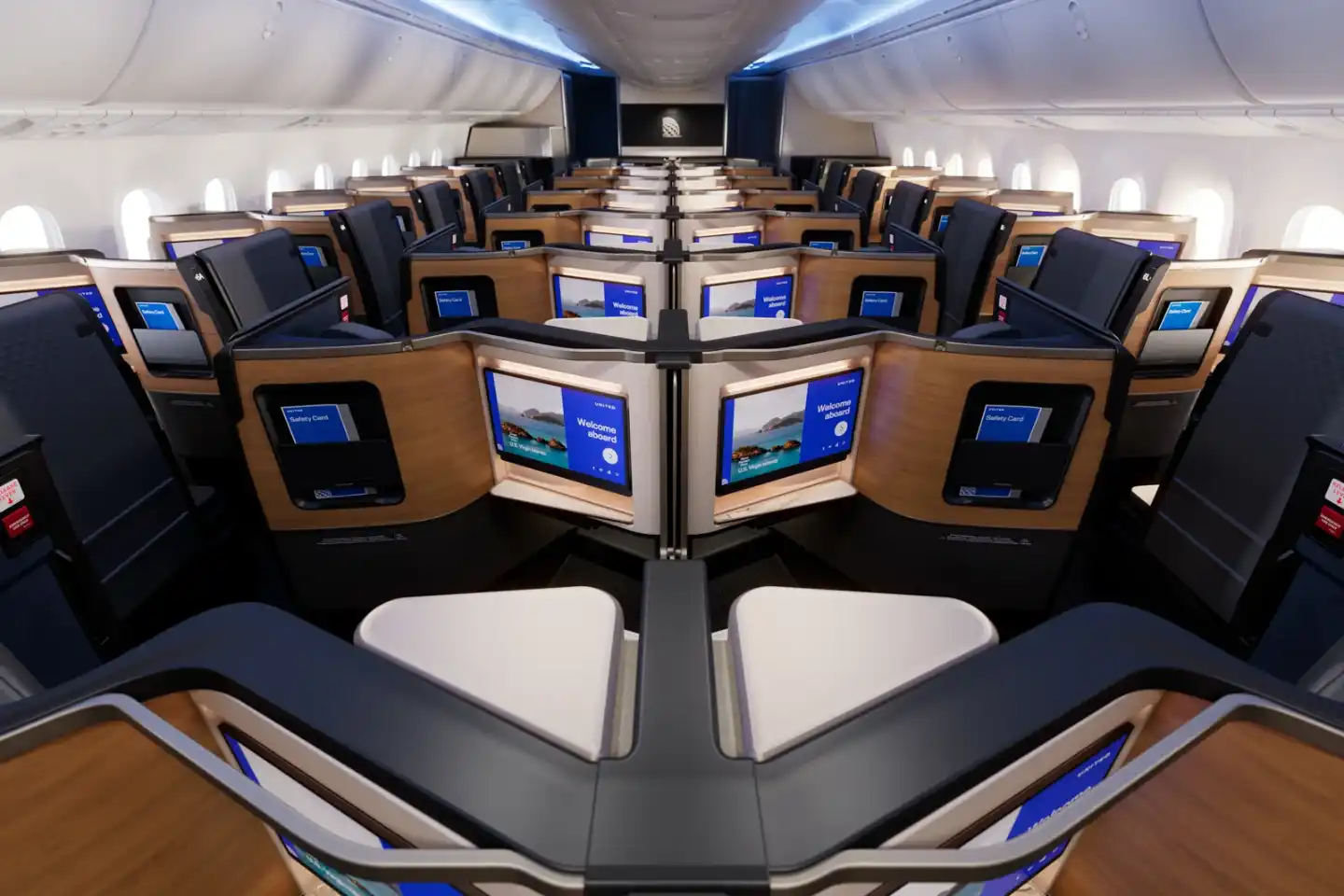
At the forefront of this transformation is United Airlines’ Polaris Studio, a product that does more than just offer a better seat—it redefines what an upgrade can be.
Positioned in the bulkhead rows, Polaris Studio seats are engineered to deliver a significantly enhanced experience compared to standard Polaris seating. The difference is immediately noticeable: larger footwells, expanded personal space, additional surfaces, and an ottoman designed for companion dining. These are not incremental tweaks—they are deliberate design choices aimed at recreating elements of international first class within a business-class footprint.
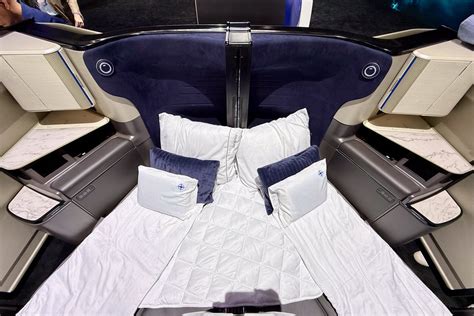
Yet, the physical seat is only part of the equation. United has layered subtle but meaningful service enhancements into the Polaris Studio experience. Passengers can expect elevated dining options, including premium items such as caviar service, along with more personalized attention from cabin crew. There is also a sense of prioritization—boarding, service flow, and responsiveness—that mirrors the treatment typically reserved for elite frequent flyers.
The pricing, however, is what truly sets Polaris Studio apart. At $499 per segment, this upgrade is not trivial. On a round-trip itinerary with connections, the cost can easily climb into four figures. And yet, this is precisely the point. United is targeting a narrow segment of travelers—those who are not just willing, but eager, to pay for marginal gains in comfort and exclusivity, particularly on flights exceeding 12 hours.
American Airlines Flagship Suite Preferred: A Premium Product Without a Price—For Now
While United has aggressively monetized its top-tier business-class seats, American Airlines has taken a different, albeit likely temporary, approach with its Flagship Suite Preferred product.
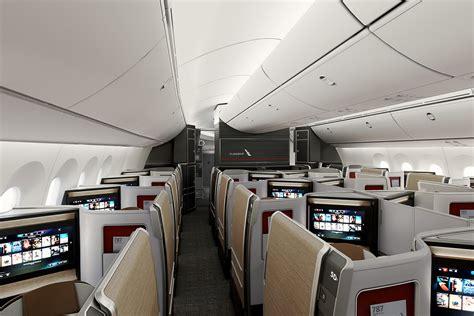
At present, these seats—offering enhanced privacy, more space, and premium finishes—are available without an additional surcharge. This creates a rare anomaly in the market: a product that competes directly with Polaris Studio in terms of design and positioning, yet does not currently carry a premium price tag.
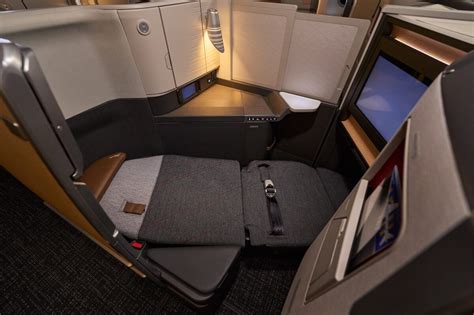
The strategic implications are significant. By offering these seats at no extra cost, American is effectively seeding demand and familiarizing passengers with a higher tier of business-class experience. However, given the industry’s reliance on finely tuned revenue management systems, it is highly unlikely that this model will persist.
As competitors demonstrate that passengers are willing to pay for similar upgrades, American is expected to introduce tiered pricing or bundled fare options that capture additional revenue. When that happens, the current “free upgrade” dynamic may quickly disappear, transforming Flagship Suite Preferred into yet another example of business class plus.
JetBlue Mint Studio: The Original Blueprint for Tiered Business Class
Before legacy carriers fully embraced the concept, JetBlue Airways quietly pioneered the idea of tiered business-class seating with its Mint Studio product.
Initially deployed on transcontinental routes, Mint Studio introduced a larger front-row seat complete with a bench that allowed for a second passenger. This design emphasized both comfort and flexibility, appealing to travelers who valued space as much as functionality.
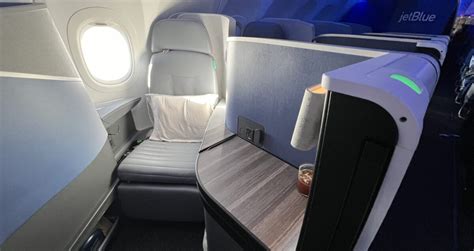
Crucially, Mint Studio was never marketed as a separate cabin. Instead, it existed as an enhanced option within the Mint business-class product, available for an additional fee. This approach allowed JetBlue to test the viability of monetizing incremental improvements without overhauling its entire cabin structure.
The success of Mint Studio provided a clear signal to the industry: passengers are willing to pay for even modest upgrades, particularly when the benefits are tangible and the flight duration justifies the expense. In many ways, JetBlue laid the groundwork for the more expansive implementations now seen across major U.S. airlines.
The Economics of a $499 Upgrade: Why Airlines Are Doubling Down
From a financial perspective, the appeal of “business class plus” is straightforward. The incremental cost of providing a slightly larger seat or enhanced meal service is relatively low. The incremental revenue, however, can be substantial.
Consider the Polaris Studio surcharge. At $499 per segment, even a modest uptake rate among passengers can generate significant additional revenue on each flight. Multiply that across an entire long-haul network, and the numbers become impossible to ignore.
This model also aligns perfectly with broader consumer trends. Across industries, from hospitality to streaming services, customers have become accustomed to tiered pricing structures that offer incremental benefits at higher price points. Airlines are simply applying this logic to the cabin environment, transforming business class into a modular product where passengers can customize their experience.
Moreover, this strategy allows airlines to capture revenue from a high-value niche segment without alienating price-sensitive travelers. Those who choose not to pay the surcharge still receive a high-quality business-class experience, while those who do are effectively subsidizing the cabin’s overall profitability.
How This Changes Booking Strategy for Premium Travelers
For travelers, the implications are both empowering and complicated. On one hand, the rise of business class plus provides unprecedented choice. Passengers can now tailor their experience with a level of precision that was previously unavailable.
On the other hand, this increased complexity requires a more strategic approach to booking. It is no longer sufficient to simply choose between economy and business class. Travelers must now evaluate:
- Seat location within the cabin
- Incremental benefits of premium upgrades
- Flight duration and its impact on perceived value
- Total cost across multiple segments
This layered decision-making process can be particularly challenging on long-haul itineraries involving connections, where upgrade costs may compound quickly. A seemingly modest $499 fee can escalate into a significant expenditure when applied across multiple legs.
The Blurring Line Between Business and First Class
Perhaps the most profound consequence of this trend is the gradual erosion of the distinction between business class and first class. As airlines continue to enhance their top-tier business-class seats, the gap between the two products narrows to the point of near irrelevance—at least in the U.S. market.
Polaris Studio, Flagship Suite Preferred, and Mint Studio all incorporate elements traditionally associated with first class: enhanced privacy, superior dining, personalized service, and increased space. Yet they exist within a business-class framework, both physically and commercially.
This convergence raises an important question: if business class can deliver a first-class-like experience at a slightly lower price point, is there still a need for a separate first-class cabin?
For many U.S. airlines, the answer is increasingly no.
What Comes Next: The Future of Premium Cabin Monetization
Looking ahead, the trajectory is clear. Airlines are likely to continue refining and expanding their business class plus offerings, introducing even more granular tiers and potentially dynamic pricing models that adjust upgrade costs in real time based on demand.
We may see the introduction of ultra-premium micro-segments, where specific seats within the cabin command significantly higher prices due to their location or features. Alternatively, airlines could bundle these upgrades into premium fare classes, creating a more seamless purchasing experience.
What remains certain is that the concept of a single, uniform business-class product is rapidly becoming obsolete. In its place is a flexible, revenue-optimized ecosystem where every square inch of cabin space is monetized to its fullest potential.
For travelers, this means more options—but also more decisions. And for airlines, it represents one of the most effective ways to increase profitability without fundamentally altering the flying experience.
In 2026, the most expensive business-class upgrade is no longer about stepping into a different cabin. It is about unlocking the very best seat within the one you are already in—and paying a premium for the privilege.