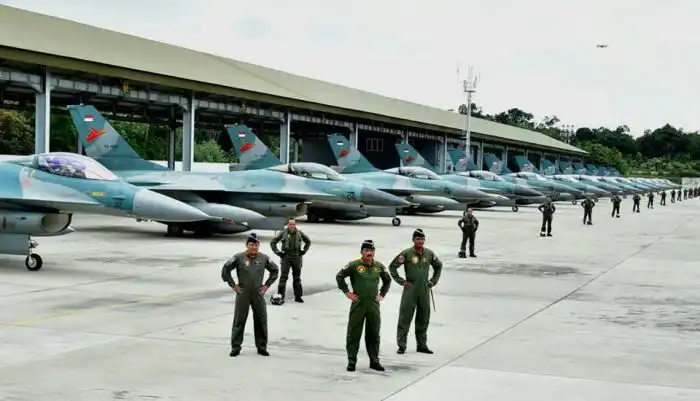
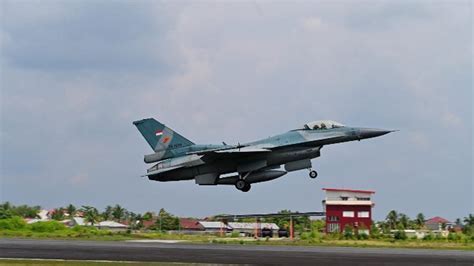
The Indonesian Air Force (TNI-AU) has operated the F-16 Fighting Falcon for several decades, undergoing multiple procurement phases, modernization programs, and strategic adjustments. These fighter jets play a crucial role in Indonesia’s air defense, but they have also faced challenges related to maintenance, reliability, and operational effectiveness. This article delves into the history, technical advancements, and challenges of Indonesia’s F-16 fleet while assessing its strategic role in the region.
Early Procurement and Initial Deployment (1986-1996)
The First F-16s Under the “Peace Bima-Sena” Program
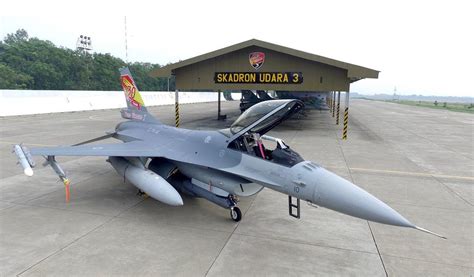
Indonesia first procured 12 F-16A/B Block 15 OCU fighter jets under the Peace Bima-Sena program in 1986. These aircraft were delivered between 1989 and 1990, marking Indonesia’s entry into the modern jet fighter era. The initial fleet was primarily configured for air-to-air combat, equipped with AIM-9 Sidewinder missiles. However, their combat capabilities expanded with the integration of AGM-65 Maverick missiles, enabling ground-attack missions.
Planned Expansion and US Sanctions
By 1996, Indonesia sought to acquire an additional nine F-16A/Bs, which were originally intended for Pakistan but had been embargoed due to political reasons. However, following the 1997 Asian financial crisis and US sanctions over human rights concerns, the deal was scrapped. As a result, Indonesia shifted its focus to Russian military hardware, purchasing Su-30MK Flanker fighter jets and Mi-17 helicopters instead.
Acquisition of Second-Hand F-16s and Modernization (2010-Present)
2010 Deal: Upgrading Indonesia’s Fleet
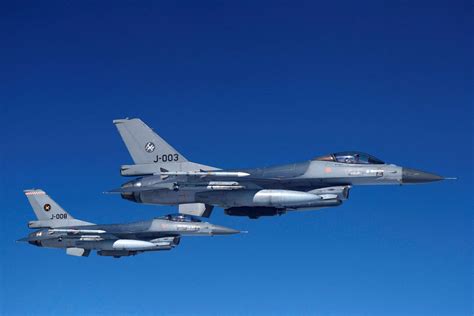
In 2010, Indonesia secured a $750 million deal with the United States to procure 24 second-hand F-16C/D Block 25 aircraft. These jets, previously retired by the United States Air Force (USAF), were upgraded before delivery and re-designated as F-16C Block 52ID. The modernization included significant improvements:
- AN/APG-68V9 radar: Enhanced detection range and electronic counter-countermeasures.
- Block 52+ cockpit interface: Upgraded with the MMC-7000 mission computer and Link-16 data link.
- Advanced electronic warfare systems: Improved survivability in modern combat environments.
Delivery and Incidents
Deliveries commenced in 2015 and concluded by 2017, totaling 23 operational aircraft (one was lost in an accident). This expanded the fleet considerably, strengthening TNI-AU’s regional capabilities. However, the acquisition of older airframes raised concerns over airframe longevity and sustainment costs.
Current F-16 Fleet Composition (as of 2025)
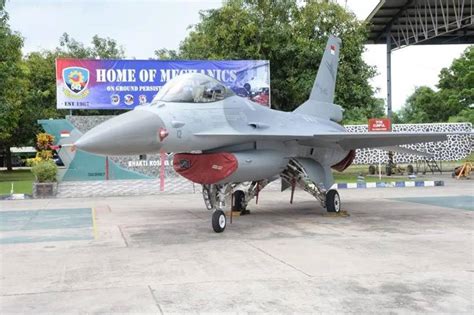
As of 2025, the Indonesian Air Force operates 31 F-16s, categorized as follows:
- 7 F-16A and 2 F-16B Block 15 OCU models.
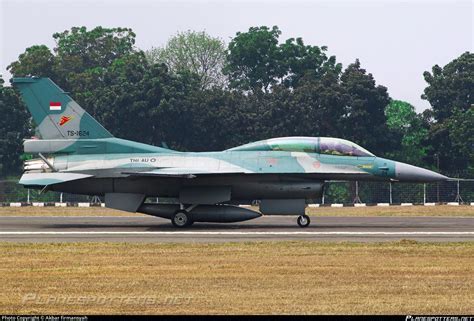
- 19 F-16C and 5 F-16D Block 52ID models.
- Some early Block 15 models were upgraded to F-16AM/BM configurations post-2020.
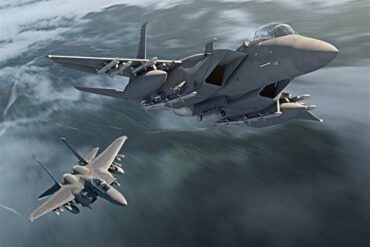
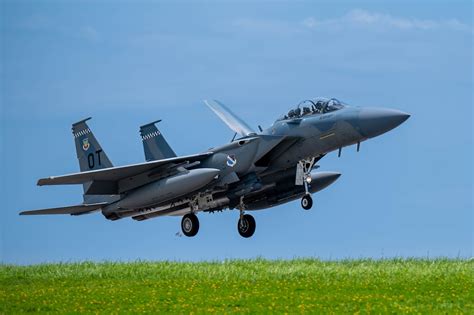
Despite the upgrades, older airframes still pose reliability concerns, and Indonesia continues to explore further modernization efforts or new fighter acquisitions, including the F-15EX.
Challenges in Maintenance and International Cooperation
Maintenance Challenges
One of the biggest challenges for Indonesia’s F-16 fleet has been maintenance and spare part availability. The 1999-2005 US arms embargo severely impacted Indonesia’s ability to maintain its F-16s, leading to low operational readiness. During this period, Indonesia relied on cannibalizing parts from grounded aircraft and acquiring grey-market spare parts, which affected aircraft reliability.
Joint Military Exercises and International Cooperation
Despite past embargoes, Indonesia has maintained strong defense relations with the United States and regional allies. Its F-16s have participated in numerous multinational exercises, enhancing combat readiness and interoperability. Notable exercises include:
- Exercise Pitch Black (Australia)
- Cope West (US-Indonesia joint air drills)
- Bilateral drills with Malaysia and Thailand
Such collaborations strengthen Indonesia’s air force capabilities and ensure its pilots remain well-trained in modern combat scenarios.
Operational Deployments and Controversies
Combat Missions and Domestic Deployment
Indonesia’s F-16s have seen limited combat roles, primarily focused on internal security and territorial defense. During the 2003-2004 Aceh conflict, F-16s were deployed for low-altitude intimidation flights, serving as a shock tactic against insurgents.
Controversies and Reliability Issues
Indonesia’s reliance on second-hand F-16s has been met with criticism due to high maintenance costs and questionable long-term reliability. The 2015 Jakarta F-16 crash further raised concerns about airframe fatigue. This particular aircraft, a former USAF F-16A/B, caught fire before takeoff, raising doubts about the structural integrity of aging airframes.
Future Prospects: Upgrades or Replacement?
The Indonesian government is considering further modernizing its fleet or acquiring newer-generation aircraft. Options under review include:
- Upgrading existing F-16s to F-16V Viper standards (including AESA radar and modern avionics).
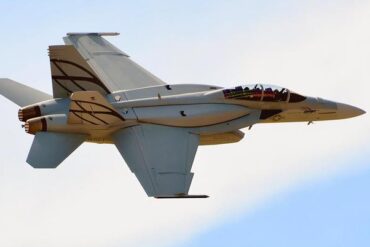
- Acquiring F-15EX Eagles to complement or replace aging F-16s.
- Exploring newer fighter platforms, including the KF-21 Boramae (jointly developed with South Korea).
Conclusion
Indonesia’s F-16 fleet remains a cornerstone of its air defense strategy, balancing cost-effectiveness, operational capabilities, and international partnerships. However, continued reliance on second-hand airframes presents sustainability risks. As Indonesia modernizes its military, strategic decisions regarding fleet expansion or replacement will significantly impact its regional airpower in the coming decades.
FAQ Section
1. Why does Indonesia operate second-hand F-16s instead of new ones?
Indonesia opted for second-hand F-16s due to budget constraints and a favorable deal from the US, which included modernization and training packages. However, concerns over airframe lifespan and reliability persist.
2. What are the main upgrades in Indonesia’s F-16 Block 52ID?
The F-16C Block 52ID includes the APG-68V9 radar, upgraded mission computer, improved electronic warfare systems, and Link-16 datalink, making it comparable to modern F-16 variants.
3. What future fighter jets is Indonesia considering?
Indonesia is evaluating F-16V upgrades, F-15EX procurement, and KF-21 Boramae development to replace or supplement its aging fleet.