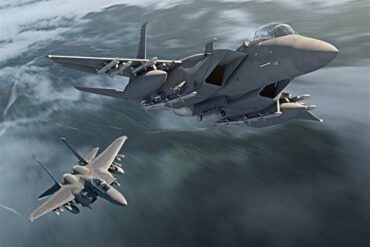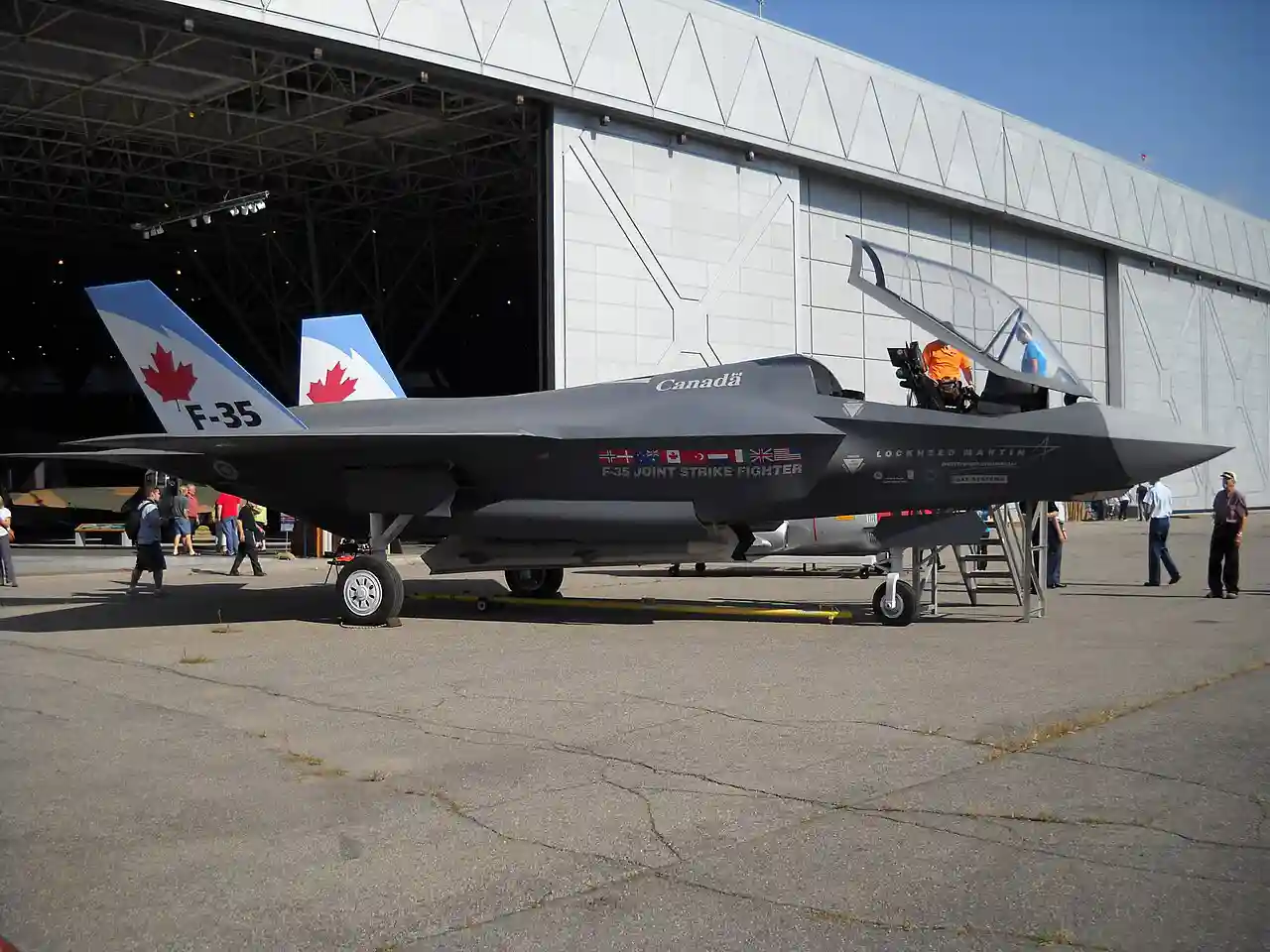
Canada’s decision to procure the F-35A Lightning II stealth fighter marks a historic leap in national defense modernization, yet it remains entangled in controversy, geopolitical uncertainty, and deep-rooted sovereignty concerns. In a world defined by shifting alliances and escalating military tensions, the selection of the F-35 represents not just an aircraft acquisition, but a complex symbol of Canada’s evolving defense doctrine, industrial ambitions, and diplomatic posture.
The Long Road to Selection
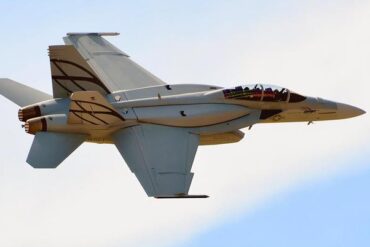
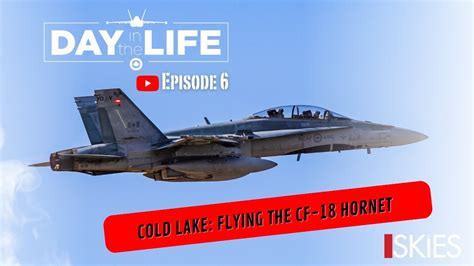
The journey toward Canada’s acquisition of the F-35 has spanned more than a decade. Originally launched in 2010, the fighter replacement program faced significant political resistance, shifting budgetary priorities, and public scrutiny. The aging CF-18 Hornets, in operation since 1982, were rapidly approaching obsolescence, demanding a future-proof solution.
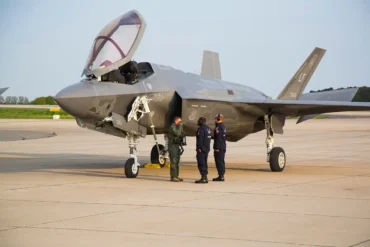
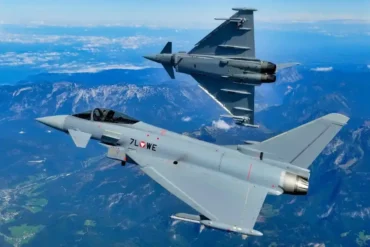
In March 2022, after a competitive evaluation that included contenders such as the Saab Gripen E and the Eurofighter Typhoon, the Department of National Defence confirmed the selection of the Lockheed Martin F-35A. This choice underscored Canada’s strategic commitment to NATO-aligned interoperability, particularly with key allies like the United States and the United Kingdom.
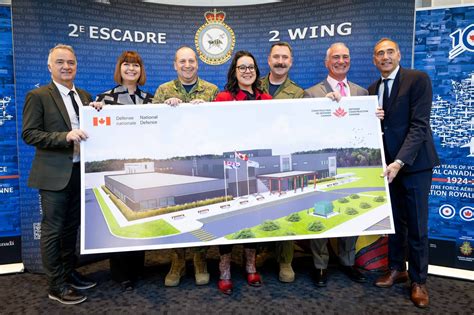
The final contract was signed in January 2023, securing 88 fifth-generation F-35A fighters at a staggering 190 billion CAD (~142 billion USD). The first deliveries are scheduled for 2026, with full fleet integration by 2032, when the CF-18s are scheduled for retirement.
Strategic Imperatives Behind the F-35 Deal
The justification for the F-35 selection extends beyond tactical superiority. The aircraft offers unmatched capabilities in stealth, sensor fusion, and multi-domain integration, allowing seamless operations within NORAD and NATO command structures. These characteristics are essential in a world where future air combat is expected to be dictated by information dominance and electronic warfare resilience.
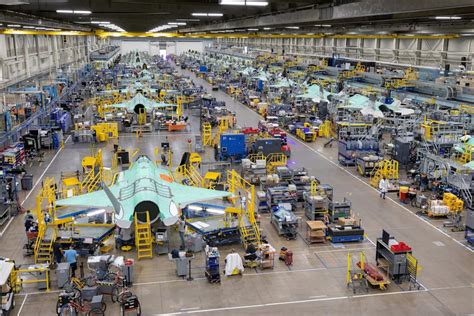
From an industrial standpoint, the F-35 deal is projected to inject substantial growth into the Canadian aerospace and defense economy. Over 110 Canadian companies currently contribute to the F-35 global supply chain, generating approximately 4 billion CAD annually and supporting over 3,300 jobs. Components such as landing gear systems, composite structures, and avionics are already being produced by Canadian firms, securing long-term participation in the Joint Strike Fighter program.
Political Dimensions and Diplomatic Signaling
The timing of the announcement in early 2023 aligned with a diplomatic agenda, symbolizing a reaffirmation of defense solidarity between Ottawa and Washington. During a high-profile meeting between Prime Minister Justin Trudeau and President Joe Biden, the deal was framed as a move to bolster joint continental security under NORAD.
However, domestic political dynamics shifted rapidly. With the rise of Prime Minister Mark Carney in March 2025, the F-35 contract was subjected to a comprehensive review, raising alarms about long-term implications for sovereignty, economic independence, and operational autonomy.

Sovereignty, Software, and the “Kill Switch” Debate
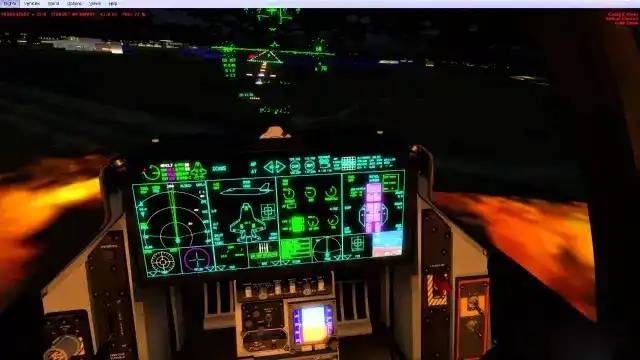
Among the most controversial aspects of the F-35 purchase are concerns about Canadian sovereignty and command independence. Critics allege that the aircraft may contain a U.S.-controlled kill switch—a software-based mechanism capable of disabling the jet or restricting operational parameters. While Lockheed Martin has denied such capabilities exist, the black-box nature of the F-35’s software architecture has raised red flags among Canadian defense analysts.
Moreover, all software and hardware upgrades must pass through U.S. oversight, significantly reducing Canada’s flexibility to independently customize or maintain the platform. These restrictions mirror critiques voiced in Europe, where countries like Portugal have reevaluated their own F-35 commitments due to similar sovereignty limitations and U.S. foreign policy unpredictability.
Economic Trade-offs and Cost Escalations
While initial procurement costs dominate headlines, the true burden of the F-35 lies in its lifecycle cost. Current projections estimate a total outlay of over 700 billion CAD over several decades, including maintenance, infrastructure upgrades, personnel training, and supply logistics. This figure has fueled public skepticism and parliamentary scrutiny, especially in light of recent economic pressures from inflation, social spending, and green energy investments.
The acquisition also exposes Canada to fluctuations in U.S. trade policies. Under former President Donald Trump, threats of tariffs and provocative rhetoric about North American annexation have deepened fears of overreliance on American military-industrial channels. The F-35 deal, therefore, ties Canada’s national defense posture closely to a foreign policy actor whose priorities may not always align with Ottawa’s long-term interests.
Delivery Constraints and Global Production Pressure
The production timeline for the F-35 is another key vulnerability. In 2022, Lockheed Martin delivered just 141 F-35s globally, including orders for the U.S. Air Force, Japan, and Australia. Canada’s allotment, with full fleet integration by 2032, must compete with backlogged orders and shifting U.S. military priorities, including potential diversions toward conflict zones or increased Indo-Pacific deployments.
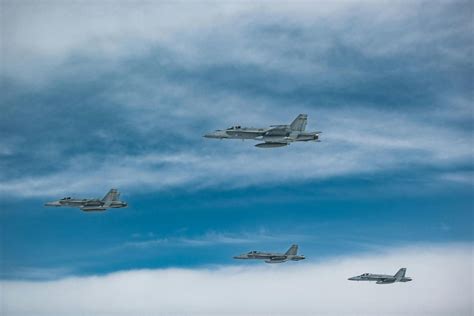
Any delay in deliveries could extend reliance on aging CF-18s, which already face rising maintenance costs and limited operational capability. The Royal Canadian Air Force may be forced to invest in interim upgrades or extend existing airframes beyond safe performance thresholds—an option both expensive and tactically risky.
Exploring Alternatives: The Gripen Mirage
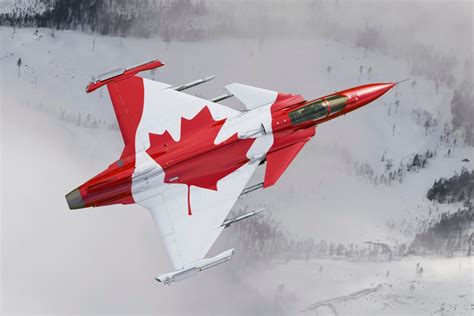
As part of the 2025 review, Prime Minister Carney’s cabinet considered revisiting other options, including the Saab Gripen E/F. While praised for its cost-effectiveness, ease of maintenance, and strong data-sharing transparency, the Gripen lacks stealth capabilities and advanced sensor fusion systems, both deemed essential for 21st-century warfare.
Moreover, transitioning to a non-NATO integrated aircraft would involve significant logistical overhead. Canada’s defense systems, pilot training curricula, and ground support infrastructure are deeply embedded within the North American defense architecture, making a sudden pivot operationally disruptive and economically inefficient.
The NATO Interoperability Imperative
One of the F-35’s most compelling advantages is its NATO-standard integration. As part of the alliance’s enhanced air policing and collective deterrence strategies, particularly in Eastern Europe, the F-35 facilitates seamless communications, targeting, and real-time data fusion across coalition forces.
Canada’s participation in these operations would be severely constrained without an aircraft platform capable of integrating into Link-16, MADL, and other encrypted data networks. This functionality becomes indispensable as NATO shifts toward multi-domain operations, merging air, space, cyber, and maritime theaters.
Conclusion: A Jet Fueled by Politics, Not Just Propulsion
The Canadian F-35 procurement represents more than a fighter acquisition—it embodies a national debate over military independence, economic vision, and foreign policy alignment. While its technical capabilities make it a formidable tool for modern air combat, the long-term consequences of vendor lock-in, budgetary strain, and foreign dependency weigh heavily on policymakers.
The current contract remains intact, but with political winds shifting under Prime Minister Carney’s administration, the ultimate outcome remains uncertain. The next few years will determine whether Canada fully embraces its F-35 future—or charts a new course grounded in greater technological sovereignty and industrial diversification.
Frequently Asked Questions
What is the current status of Canada’s F-35 procurement?
As of 2025, Canada has signed a finalized deal to purchase 88 F-35A jets, with the first deliveries expected in 2026 and full operational capability by 2032. However, a government-led review is underway to assess long-term implications regarding sovereignty, cost, and reliance on U.S. technology.
Why are critics concerned about a “kill switch” in the F-35?
Critics claim that the F-35’s proprietary software could include a hidden U.S.-controlled mechanism that restricts full operational control. While Lockheed Martin and U.S. officials deny these allegations, concerns persist about the limited transparency and dependence on American software update pipelines.
What alternatives does Canada have if it cancels the F-35 deal?
Alternatives include the Saab Gripen E/F or other European platforms such as the Eurofighter Typhoon, but these options fall short in terms of stealth, data fusion, and NATO interoperability. Moreover, switching programs midstream would result in substantial delays and increased costs.